What does gum grafting at Clínica DrDiente include?
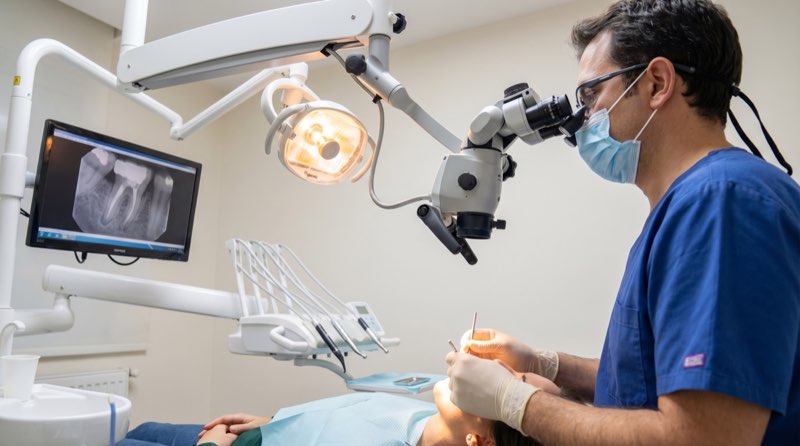
At Clínica DrDiente Polanco, gum grafting begins with an individual periodontal assessment rather than a one-size-fits-all procedure. The purpose is to evaluate gum recession, the exposed root area, the health of surrounding tissues, and whether a graft is actually appropriate for the situation.
A gum graft is a periodontal plastic surgery procedure that may add or reposition soft tissue around a tooth. In simple terms, it can help when the gumline has moved downward and left part of the root exposed. The written plan should clarify the diagnosis, the number of teeth or sites involved, the proposed technique, the tissue or biomaterial considered, and follow-up care.
There is something many patients do not hear at the first appointment: a visible root does not automatically mean surgery is the answer. Recession can be stable, or it can be related to brushing pressure, inflammation, bite forces, tobacco use, tooth position, or a thin gum type. That distinction changes the plan, and it is explained below.
How much does gum grafting cost in CDMX? — Published 2026 pricing
The confirmed Clínica DrDiente price catalog publishes a grouped reference for gum or bone grafts from $22,000 MXN. This is not a universal individual fee for a gum graft, not a package, and it does not specify a price per tooth, area, or dental arch.
Gum grafting and bone grafting have different clinical goals and should not be treated as the same procedure simply because they appear in one grouped catalog category. A final written quote depends on the diagnosis and scope. It should confirm the extension of treatment, technique availability, soft tissue or biomaterial, donor area when applicable, studies, and included controls. Availability of a specific technique, clinician, and treatment scope is confirmed when scheduling.
The published regular assessment consultation with 3D tomography is $2,125 MXN. It is not free, does not guarantee treatment availability, and should not be added to the graft reference as though both were a fixed total. You can review the clinic’s current published price information before booking.
What happens if more than one tooth needs attention? The answer is: it depends on whether the recession is localized or spread across several teeth, whether there is inflammation, and whether the tissues are suitable for surgery. That is why a quote should say “per site,” “per tooth,” or otherwise define exactly what is being treated.
If you are still learning about the condition, read our gum recession guide before discussing an individual treatment plan.
How do I know whether I am an ideal candidate?
“How do I know if I need a gum graft?” is one of the most common questions. The short answer is that a periodontal examination must establish whether recession is progressing, causing persistent sensitivity, limiting hygiene, affecting appearance, or leaving too little stable gum tissue around a tooth.
Potential candidates may have exposed roots, cold or sweet sensitivity, recession that appears to be worsening, thin gum tissue, or difficulty keeping the gumline clean. Still, no single answer applies to everyone. Bleeding alone usually points to inflammation and does not, by itself, prove that a graft is indicated.
Before considering surgery, the clinician should assess:
- Recession depth and width, along with gum thickness and attached gum tissue.
- Inflammation, plaque, root cavities, defective restorations, and tooth mobility.
- Bone and tissue support through periodontal measurements and imaging when indicated.
- Contributing habits such as traumatic brushing, tobacco use, or bite-related trauma.
In practice, inflammation has to be controlled first. Healthy gums should look coral pink rather than swollen or bleeding. Think of irritated gum tissue like a hangnail: if it stays inflamed, touching or covering the area does not solve the source of the irritation. Plaque control, a gentler brushing technique, periodontal care, and correction of irritants may come before any grafting decision.
A 2025 systematic review estimated global prevalence of gum recession of at least 1 mm at 81.1%; this figure is not specific to Mexico or Polanco. Tobacco use was associated with a higher likelihood of recession in that analysis. Clinical classifications also matter: recession without loss of tissue support between teeth generally has a more favorable coverage outlook than more complex patterns. Read the clinical background in this peer-reviewed review of gum recession and this study underlying recession classification.
Gum grafting step by step at DrDiente
The process starts with records and diagnosis. Digital planning may include an intraoral scan, 3D tomography when clinically indicated, photographs, periodontal charting, and an evaluation of the bite. These records help distinguish a cosmetic concern from a problem involving inflammation, tooth position, or supporting tissue.
Next comes cause control. This can mean periodontal cleaning, home-care instruction, treating root decay, improving brushing pressure, or addressing an irritating restoration. The key is to create a stable environment before surgery. A graft placed over active inflammation has a less predictable setting for healing.
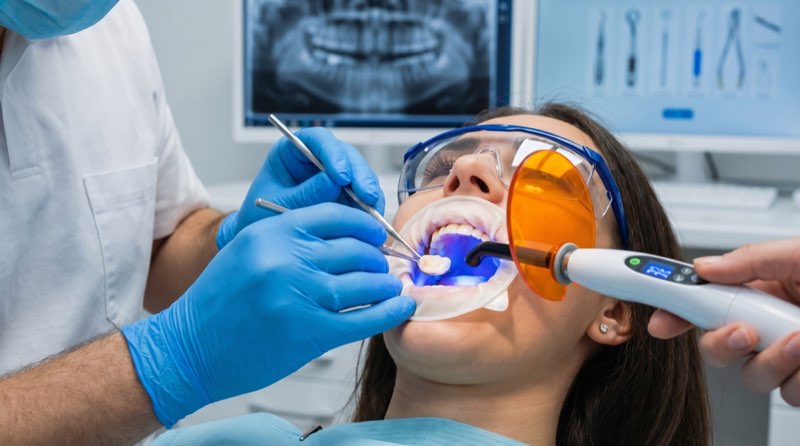
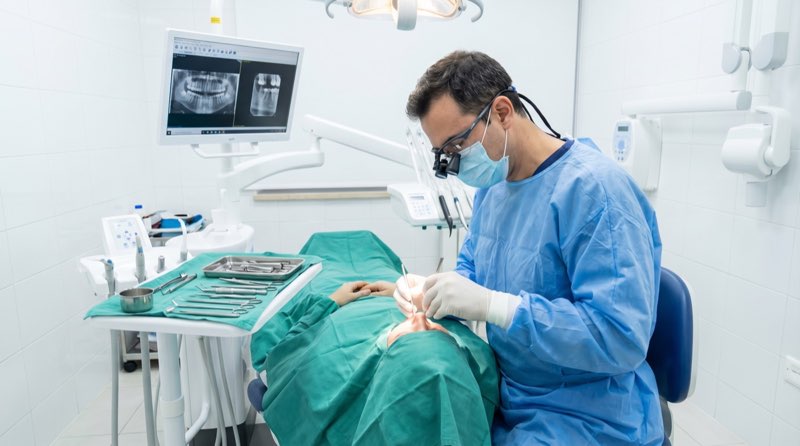
If surgery is appropriate, the selected technique depends on the anatomy and the confirmed plan. Options described in periodontal literature include connective tissue grafting, free gingival grafting, and coronal repositioning or tunnel approaches. A connective tissue graft is often used to improve thickness and root coverage; a free graft may be considered when increasing the band of firm gum tissue is the priority. Some cases may involve a substitute material instead of a donor site. Technique selection is clinical, not a menu choice.
“Does the procedure hurt?” Local anesthesia is used for the surgical procedure. Afterward, discomfort varies by treatment area, technique, and whether there is a donor site. The care instructions usually include a soft diet, avoiding direct brushing or flossing over the treated area until instructed, and attending scheduled reviews. Do not start, stop, or change medication without a prescription.
Now, the exception mentioned earlier: even a carefully planned graft cannot promise complete root coverage for every person. Healing and coverage depend on the recession type, tissue and bone support between teeth, oral hygiene, tobacco exposure, anatomy, and following postoperative instructions. Research supports connective tissue grafting as a reference approach for predictable coverage in suitable cases, but it is not a guarantee. A recent clinical trial reported mean coverage at six months rather than universal complete coverage, which is the honest way to interpret outcomes. See the clinical trial for context.
Questions patients always ask before scheduling
Is it normal for gums to recede?
Gum recession is common, but it should not be dismissed without an assessment. It can expose root surfaces and contribute to sensitivity or root decay. The cause matters more than appearance alone, because stable recession and active disease are managed differently.
How long does gum graft healing take?
Healing time depends on the area treated, the technique, the tissue source, and individual healing. The clinician should provide personalized restrictions and review dates. Avoid assuming a fixed recovery timeline from another patient’s experience.
Is a gum graft worth it?
It depends on the diagnosis and your goal. It may be worth considering when recession is progressing, sensitivity persists, the root is vulnerable, tissue is insufficient, or appearance is a concern. If the recession is stable and symptom-free, monitoring and cause control may be the better recommendation.
How long do gum graft results last?
There is no lifetime guarantee. Long-term stability depends on cleaning habits, gentle brushing, periodontal maintenance, tobacco exposure, bite forces, and the original anatomy. A treatment plan should include maintenance, not only surgery.
Where can I receive a gum graft in Polanco?
For an evaluation in the area, Clínica DrDiente Polanco is located at Av. Presidente Masaryk 83, Polanco V Secc., Miguel Hidalgo, CDMX. Schedule an assessment so the diagnosis, scope, and written quote can be reviewed before deciding on treatment.
Why patients from across CDMX choose DrDiente
Choosing periodontal treatment should be based on transparent diagnosis, documented measurements, clear pricing limits, and a plan that addresses the cause of recession. At Clínica DrDiente Polanco, the goal is to help patients understand whether surgery is indicated rather than presenting a grouped catalog reference as a guaranteed final cost.
For patients visiting Mexico for dental care, planning also requires enough time for evaluation, treatment, and follow-up. If you are exploring dental tourism in CDMX, ask in advance whether your timeline is appropriate for periodontal treatment and reviews.
All open questions should now be clearer: the published grafting reference starts at $22,000 MXN but covers gum or bone grafts as a group; the $2,125 MXN assessment is separate; and only an examination can define whether grafting, monitoring, or another periodontal step is appropriate.

Information from Clínica DrDiente
Aesthetic Dentistry & Oral Rehabilitation · COFEPRIS 2409132002A00145
This content is informational and is not a substitute for professional dental advice. Book an assessment for a personalized diagnosis.