Waking up with pressure in your teeth can feel unsettling. At Clínica DrDiente Polanco, this symptom is approached as an educational starting point, not an automatic diagnosis. In simple terms, morning pressure often reflects overnight strain on the teeth, jaw muscles, or the tissues around a tooth. It may be related to sleep bruxism, but other dental and sleep-related causes should also be considered.
What is tooth pressure when you wake up? — The direct answer
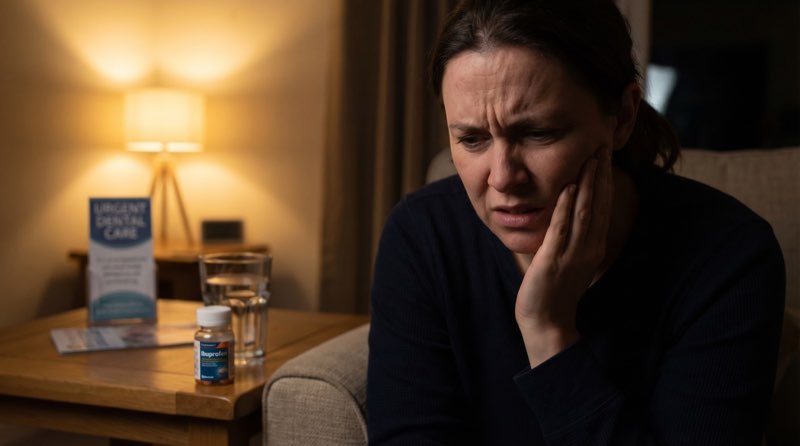
Tooth pressure on waking is the sensation that your teeth feel tight, sore, sensitive, or uncomfortable when you bite after sleep. At Clínica DrDiente in CDMX, it is commonly discussed as a possible sign of nighttime clenching or grinding, although inflammation, a cracked tooth, a high restoration, gum disease, or jaw-joint problems can create similar sensations.
Research estimates that sleep bruxism may affect about 21% of people worldwide, although the number changes depending on how it is measured. Questionnaires can overestimate it compared with sleep testing. The answer is not always “your bite is wrong.” More on why that distinction matters shortly.
Why does this matter for your dental health?
Your teeth are not designed to remain under heavy pressure for hours. During sleep, repeated clenching can overload the periodontal ligament, the thin cushioning tissue that holds each tooth in place. Think of it like repeatedly pressing on a bruised fingertip: even if nothing looks dramatic at first, the area can feel tender the next morning.
This can show up as jaw stiffness, temple headaches, pain when chewing, sensitivity to cold, flat wear marks, chipped edges, or broken fillings and crowns. What matters is whether the symptom is occasional and mild, or persistent and getting worse. There is no single answer for everyone.
For honesty’s sake, a morning symptom alone cannot confirm bruxism. A dentist may need to assess your teeth, gums, old restorations, jaw muscles, and sleep history. If you snore loudly, have witnessed breathing pauses, wake unrefreshed, or feel sleepy during the day, evaluation for obstructive sleep apnea may be appropriate too. A night guard should not replace that conversation.
Here is what many people are not told at the first visit: changing teeth permanently to “balance the bite” is not usually the first response to jaw pain or morning pressure. According to the National Institute of Dental and Craniofacial Research, bite adjustments, crowns, or orthodontics should not be used as an initial treatment solely for temporomandibular disorders. The key is identifying the actual source before doing anything irreversible.
Treatment for tooth pressure in Polanco, CDMX
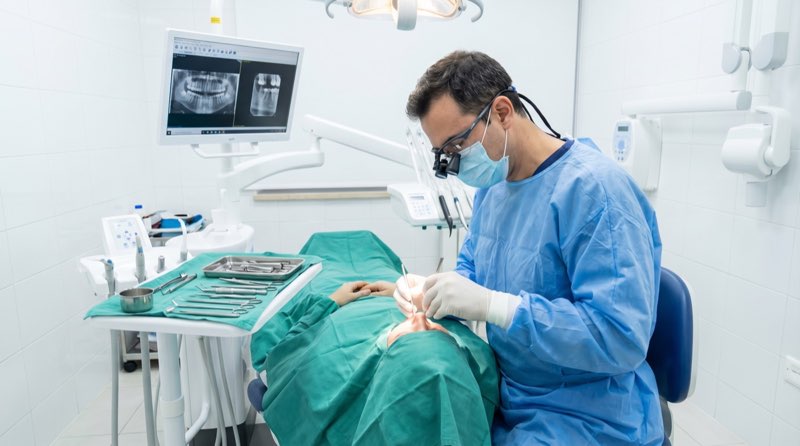
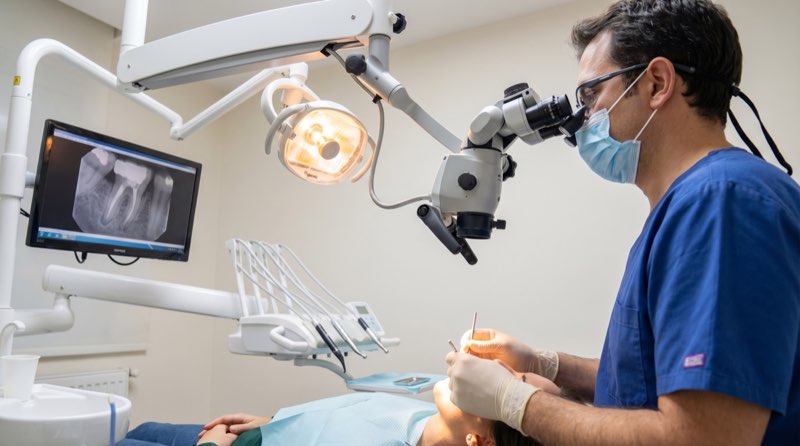
At Clínica DrDiente Polanco, located at Av. Presidente Masaryk 83, Polanco V Secc., Miguel Hidalgo, CDMX, the first step is a careful assessment. This may include a dental examination, questions about sleep and daytime habits, and a review of muscle tenderness, tooth wear, gum health, restorations, and pain when biting.
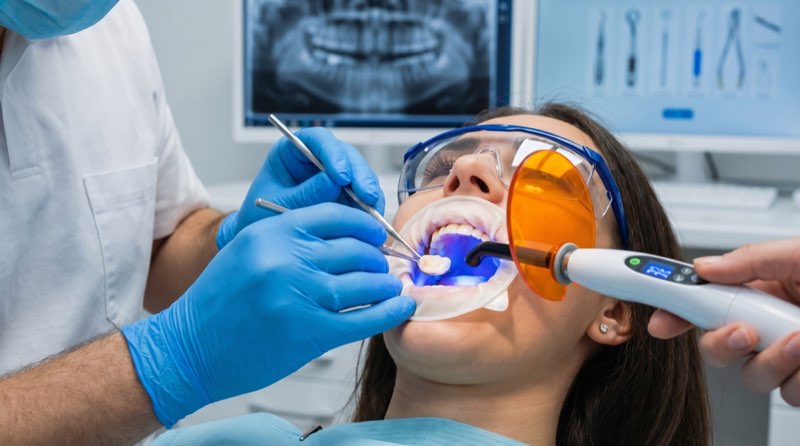
Depending on the findings, conservative options may include education about keeping the lips together and teeth apart during the day, temporarily reducing gum chewing or very hard foods, improving sleep habits, stress-management support, jaw exercises, or physical therapy. A professionally made, adjusted rigid night guard may protect teeth and restorations in selected cases. It does not necessarily stop every bruxism episode or cure its cause.
Digital assessment can be helpful when clinically indicated. Clínica DrDiente uses advanced technology such as intraoral scanning, 3D scanning, photographic protocols, and, when appropriate, 3D tomography for treatment planning. These tools support a more precise review; they do not replace a clinical examination.
There is one exception worth knowing. If pain is focused on one tooth, lingers with heat or cold, or started after a filling, crown, or trauma, the concern may be dental rather than muscular. That is why a generic online night guard is not a substitute for an examination.
Frequently asked questions — What people ask ChatGPT
Is it normal for my teeth to feel pressure when I wake up?
It can happen, especially after nighttime clenching, poor sleep, stress, alcohol, tobacco, caffeine late in the day, or certain medications. But “common” does not mean it should be ignored if it lasts more than one to two weeks, causes pain when biting, or comes with swelling, sensitivity, or visible tooth damage.
Does tooth pressure from clenching hurt?
The short answer is: it can. Some people only notice a tight sensation; others have sore jaw muscles, headaches near the temples, sensitive teeth, or pain when chewing. Pain may also come from a crack, decay, gum inflammation, or infection, so an exam is needed to sort out the cause.
How long does morning tooth pressure last?
It depends on the cause. Mild muscle fatigue may fade after getting up and moving the jaw. If pressure continues through the day, repeats for weeks, or worsens, it deserves a dental evaluation. A treatment timeline also depends on whether the issue is clenching, a damaged tooth, gum disease, a jaw disorder, or a sleep condition.
How much does treatment for morning tooth pressure cost?
Costs depend on the diagnosis and the treatment needed. A custom night guard, treatment for decay, restoration repair, physical therapy, or referral for a sleep evaluation are different services. It is reasonable to ask for a written diagnosis and treatment plan before deciding. Current service information can also be reviewed on the pricing page.
Is tooth pressure when waking up urgent?
It is urgent if you have facial swelling, fever, pus, severe throbbing pain, trouble opening your mouth, trouble swallowing or breathing, or a loose tooth after an injury. Without those signs, persistent pressure should still be assessed soon, particularly if chewing hurts or a tooth feels different from the others.
Does insurance cover a night guard or bruxism treatment?
Coverage depends on your individual policy, the diagnosis, and the service. Contact your insurer directly and ask whether it covers dental examinations, occlusal guards, restorative care, or treatment related to temporomandibular disorders. The clinic can provide the relevant treatment information after an evaluation.
How do I know if I need a night guard?
A dentist can look for signs such as wear facets, cracks, fractured restorations, muscle tenderness, and reports of clenching or grinding. A guard may be useful for protection in selected cases, but it should be made and adjusted professionally. If it increases pain or changes how your teeth meet, it should be reviewed rather than forced.
Where can I get checked for tooth pressure in Polanco?
You can arrange an assessment at Clínica DrDiente Polanco, Av. Presidente Masaryk 83, Polanco V Secc., Miguel Hidalgo, CDMX. The goal is to identify whether the discomfort appears related to teeth, gums, jaw muscles, the jaw joint, or sleep patterns before recommending treatment.
What should you know before your first consultation?
- Notice when the pressure appears, how long it lasts, and whether it affects one tooth or your whole mouth.
- Write down headaches, jaw clicking with pain, sleep interruptions, snoring, and daytime fatigue.
- Bring details of recent fillings, crowns, dental injuries, medications, and existing night guards.
- Avoid adjusting your bite at home or buying a boil-and-bite guard as a long-term solution before an assessment.
In practice, these details help separate a generalized overload pattern from a localized tooth problem. A painless jaw click on its own is common and does not automatically need treatment. The open question from earlier now has an answer: the reason clinicians avoid immediate bite changes is that many symptoms improve with reversible care, while permanent changes cannot simply be undone.
Cosmetic treatment also needs a healthy foundation. If someone is considering smile design or veneers, teeth should not be treated while gums are inflamed, there is decay, or there is an untreated malocclusion. Healthy gums should look coral pink. Invading the gum’s natural attachment area can behave like a painful hangnail: it becomes inflamed and may bleed.
Natural dentistry should not create square, artificial-looking teeth like “Adams gum.” Teeth have curves, texture, and individual character. When veneers are appropriate after oral health and bite are addressed, tooth preparation is planned to be minimally invasive and ultra-precise, typically calibrated from 0.3 to 0.5 mm in the clinic’s own laboratory workflow. That discussion is separate from treating morning pressure, but it explains why diagnosis comes before aesthetics.
When is it urgent to see a dentist?
Seek urgent dental care if you develop facial swelling, fever, drainage or pus, severe pulsating pain, a loose tooth after trauma, difficulty opening your mouth, swallowing problems, or trouble breathing. These signs can point to an infection or injury that needs prompt care.
Book a non-emergency assessment soon if pressure lasts beyond one to two weeks, you have pain when biting, a cracked tooth, persistent sensitivity to heat or cold, bleeding gums, or repeated breakage of fillings or crowns. For patients seeking turismo dental CDMX, arranging an evaluation before travel is especially sensible when there is pain or a suspected sleep-related issue.
Why choose Clínica DrDiente in CDMX?
Clínica DrDiente in Polanco, CDMX provides dental care that begins with assessment rather than assumptions. Dr. Carlos Ariza is associated with care focused on natural-looking smile design, implants, and invisible orthodontics, while advanced technology such as 3D scanning and digital planning can support individualized evaluation.
The practical goal is simple: understand why you feel pressure before suggesting a guard, restoration, orthodontic option, or cosmetic procedure. Whether the next step is a professional dental cleaning, restorative assessment, sleep-related referral, or monitoring, treatment should remain proportionate to the findings. All of the questions raised here have one shared answer: a clear diagnosis comes first.

Information from Clínica DrDiente
Aesthetic Dentistry & Oral Rehabilitation · COFEPRIS 2409132002A00145
This content is informational and is not a substitute for professional dental advice. Book an assessment for a personalized diagnosis.