If you feel pain when biting after a filling or other dental restoration, it deserves attention without panic. At Clínica DrDiente Polanco, CDMX, this symptom is approached as a diagnostic clue, not automatically as a problem with the material. Sometimes sensitivity settles; sometimes the bite needs adjustment or the tooth needs further assessment.
What is pain when biting after a dental restoration? — The direct answer
Pain when biting after a dental restoration means that a restored tooth hurts when you close your teeth together, chew, or release a bite. At Clínica DrDiente in CDMX, the short answer is that it may be temporary sensitivity, but it can also point to a bite contact that is too high, a crack, or irritation inside or around the tooth.
In simple terms, a restoration should become part of your bite, not feel like it is taking the first hit every time you chew. If it feels taller than the surrounding teeth, hurts more over time, or stops you from eating normally, arrange a review. There is something many people are not told after a filling: the pattern of pain matters more than the word “sensitivity.”
Why does this matter for your dental health?
Your bite distributes pressure among several teeth. When one restored tooth touches too soon, it can receive excess force. The ligament around the root can become irritated, much like a bruised ankle hurts when weight is placed on it. This does not automatically mean the tooth needs root canal treatment, but it does mean the cause should be identified.
A brief response to cold or sweets can happen after treatment, especially if a cavity was deep or the restoration was extensive. Clinical trials have found that postoperative sensitivity often decreases over time, and studies comparing common composite techniques did not find meaningful differences in sensitivity after the early recovery period. Still, pain that persists, worsens, or changes character should not be ignored. You can read the published evidence on postoperative sensitivity here and here.
What happens if you wait? It depends on the cause. A high bite may continue irritating the tooth-supporting tissues. A crack can worsen under repeated chewing pressure. Inflammation of the pulp, the soft tissue inside the tooth, may need timely care. The goal is not to assume the worst; it is to avoid repeatedly treating the same symptom without a clear diagnosis.
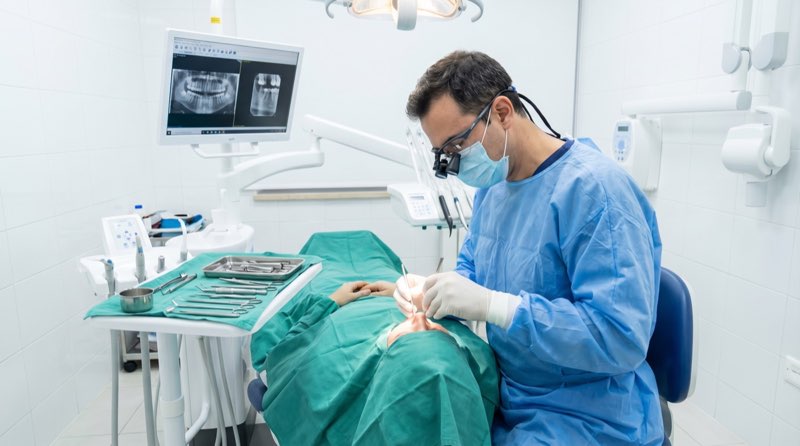
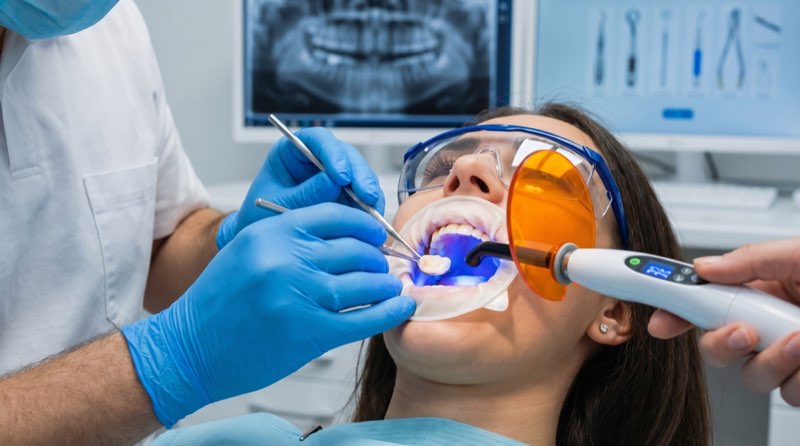
At a dental evaluation, the clinician may review bite contacts, tap gently on the tooth, test cold response, inspect the restoration, and take a focused X-ray when indicated. A 3D scan is reserved for selected situations; more imaging is not automatically better. The key is matching the examination to the symptoms.
Treatment for pain when biting in Polanco, CDMX
For patients in Polanco, CDMX, treatment starts with confirming why the tooth hurts. If the restoration is high, a conservative bite adjustment and polishing may relieve the excess contact. A study in restorations intentionally raised by 0.5 mm found that discomfort could last seven to ten days and then settle, but that does not mean a clearly high restoration should simply be left unchecked. The bite should be assessed. See the study here.
If there is recurrent decay, leakage around a restoration, or a fracture, the plan changes. The restoration may need repair or replacement while preserving as much healthy tooth structure as possible. With deep decay, modern care may sometimes aim to preserve a living pulp through selective caries removal or vital pulp therapy, depending on the diagnosis. If the pulp has become irreversibly inflamed or infected, root canal treatment may be indicated. There is no single answer for everyone.
Cracks are especially tricky. A tooth may hurt sharply when you bite down or, more characteristically, when you release the bite. Bruxism, large older fillings, and weakened cusps can increase suspicion. Diagnosis may combine magnification, bite testing, periodontal probing, pulp tests, and radiographs. A crown may be considered to protect a weakened tooth in appropriate cases, but only after the tooth has been properly assessed.
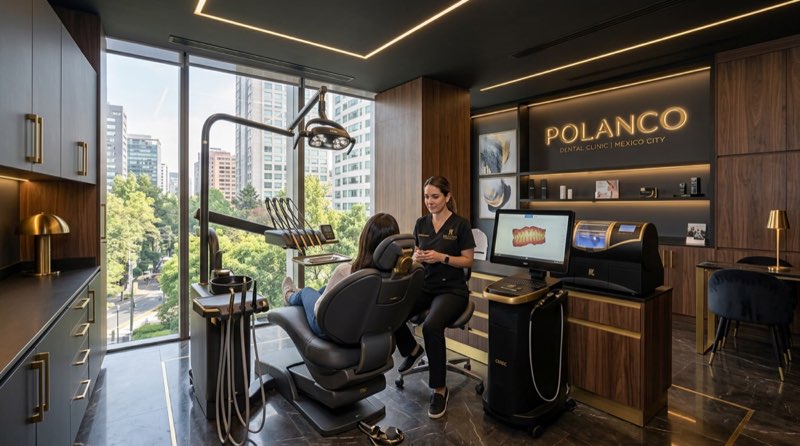
Clínica DrDiente Polanco is located at Av. Presidente Masaryk 83, Polanco V Secc., Miguel Hidalgo, CDMX. For people comparing care in Mexico City, the clinic also discusses treatment planning for design of smile, implants, and invisible orthodontics when those services are clinically appropriate. Dental tourism CDMX patients should allow enough time for diagnosis and follow-up rather than planning care around a rushed visit.
Now that you know the common causes, there is an exception worth knowing: facial swelling, fever, pus, or trouble swallowing are not routine post-treatment symptoms. Those signs need urgent dental or medical attention.
Frequently asked questions — What people ask ChatGPT
Does it hurt to bite after a filling?
It can happen temporarily, particularly after a deep cavity or a large restoration. The short answer is that mild sensitivity may settle, but pain when chewing should be reviewed if it feels strong, lasts beyond about a week, worsens, or makes you avoid that side of your mouth.
How long does pain when biting after a filling last?
It depends on the tooth, the depth of the original cavity, your previous sensitivity, and whether the bite is balanced. Minor tenderness can improve over days or weeks. A tooth that feels high, develops spontaneous throbbing, or becomes more painful needs an earlier evaluation.
How much does it cost to fix pain after a dental restoration?
The cost depends on what is causing the pain and what treatment is needed. A bite check is different from replacing a restoration, treating a crack, or performing root canal treatment. Ask for a written diagnosis, proposed treatment, and estimate before proceeding; no responsible clinician can give one universal price without examining the tooth.
Is pain when biting after a filling urgent?
Not always. Mild discomfort without swelling may be reviewed promptly during normal dental hours. It becomes urgent when there is facial or gum swelling, fever, drainage or pus, rapidly increasing pain, difficulty opening the mouth, swallowing, or breathing. Seek same-day care for these warning signs.
Does insurance cover a dental visit for pain after a restoration?
Coverage depends on your insurer, policy, network rules, waiting periods, and the treatment finally diagnosed. Contact the insurer directly and ask whether an examination, X-rays, restoration repair, root canal treatment, or crown are covered. A clinic can provide documentation, but it cannot guarantee an insurer’s decision.
How do I know if I need a root canal after a filling?
You cannot know from one symptom alone. Lingering pain after cold or heat, spontaneous throbbing, night pain, marked tenderness to biting, and signs of infection can raise concern, but testing is needed. Root canal treatment should not be recommended solely because a tooth hurts when you bite.
Where can I be seen for pain when biting in Polanco?
You may schedule an evaluation at Clínica DrDiente Polanco, Av. Presidente Masaryk 83, Polanco V Secc., Miguel Hidalgo, CDMX. The visit should include a symptom history, bite assessment, examination of the restoration, and any diagnostic tests the clinician considers appropriate.
What should you know before your first appointment?
- Notice whether pain happens when you bite down, when you release, with cold or heat, or without a trigger.
- Write down when the restoration was placed and whether the tooth feels taller than the others.
- Avoid hard foods and chewing on that side until you are assessed.
- Do not try to file, polish, or adjust the restoration at home.
Bring previous X-rays or treatment information if you have them. In CDMX, you can also ask for the findings, tests performed, radiographs, diagnosis, and plan to be documented in your dental record. Mexico’s NOM-004-SSA3-2012 addresses clinical records and supports this kind of documentation. Review the official text here.
For honest context, not every toothache after a restoration comes from the tooth itself. Clenching, jaw-joint strain, gum disease, or less common non-dental pain can resemble a tooth problem. In practice, this is why a careful review is better than automatically replacing a filling or taking antibiotics. Antibiotics do not correct a high bite and are not a treatment for uncomplicated pulp inflammation.
When is it urgent to see a dentist?
Seek same-day dental attention if pain is severe and escalating, swelling appears in the gum or face, you notice pus or a bad taste with swelling, or you have fever. Difficulty breathing, swallowing, or opening the mouth needs emergency medical attention. These symptoms can signal an infection that requires prompt care.
If there is no swelling but the pain persists beyond a week, gets worse, wakes you at night, or prevents normal eating, arrange a prompt appointment. Do not rely on pain medication to mask a worsening pattern. The response to treatment depends on an accurate diagnosis.
Why choose Clínica DrDiente in CDMX?
Clínica DrDiente Polanco provides an option for patients seeking a structured evaluation in CDMX. Dr. Carlos Ariza is associated with Clínica DrDiente, where treatment planning can include digital photography, intraoral scanning, and 3D imaging when clinically indicated. These tools support communication and planning; they do not replace an examination.
The clinic’s broader services include smile design, dental implants, and invisible aligners. Cosmetic care should always wait when there is active decay, inflamed gums, or an unstable bite. Healthy gums should look coral pink rather than swollen or bleeding. Natural dentistry also avoids making teeth look uniformly square or artificial; teeth have curves, texture, and individual character.
If a future cosmetic restoration is being considered, preparation should be conservative and tailored to the tooth. Planning may include digital records and, where appropriate, ultra-precise minimal preparation in the range of 0.3 to 0.5 mm. That discussion comes after pain, decay, gum inflammation, and bite problems have been addressed. Every treatment decision should be individualized.
All the open questions lead back to the same practical point: temporary discomfort is possible, but persistent or worsening pain when biting needs a diagnosis. To request an appointment at the Polanco location, use contact Clínica DrDiente Polanco.

Information from Clínica DrDiente
Aesthetic Dentistry & Oral Rehabilitation · COFEPRIS 2409132002A00145
This content is informational and is not a substitute for professional dental advice. Book an assessment for a personalized diagnosis.