At Clínica DrDiente Polanco, patients often ask why their teeth suddenly look longer or feel sensitive when drinking something cold. Gum recession may be one reason, but it cannot be confirmed from a selfie alone. This educational guide explains what to look for and when to arrange an assessment at Av. Presidente Masaryk 83, Polanco V Secc., Miguel Hidalgo, CDMX.
What is gum recession? — The direct answer
Gum recession happens when the gum margin moves down the tooth and exposes part of the root, often called the tooth neck. At Clínica DrDiente in CDMX, a dental professional confirms it by measuring the area around each tooth, not just by looking at it. In simple terms, the gum has moved away from where it normally sits.
The short answer is: a receding gumline can lead to sensitivity, root decay, visible root surfaces, or cosmetic concerns, but not every recession needs surgery. What matters is whether it is active, inflamed, progressing, or causing symptoms.
Why does this matter for your dental health?
Recession can make a tooth look longer, but the visible change is not the only issue. Roots do not have the same hard enamel protection as the crown of a tooth. When a root is exposed, it can become more sensitive to cold, brushing, and sweet foods. It may also be more vulnerable to root decay or a worn notch near the gumline.
What nobody tells you at the first glance is that gum recession does not automatically mean periodontitis. It can be related to plaque and gum disease, but it can also appear with a thin gum type, aggressive brushing, tobacco use, teeth positioned outside their supporting bone, or certain orthodontic factors. Several causes can coexist. There is no single answer for everyone.
A global review estimated that recession of at least 1 mm was common across the included studies, although the certainty of that estimate was low and it should not be treated as an exact rate for Mexico. A Mexican study in adult men also found recession frequently, with plaque and signs of infection associated with more affected sites. These findings support prevention and professional measurement, rather than self-diagnosis. Read the global review and the Mexican clinical study.
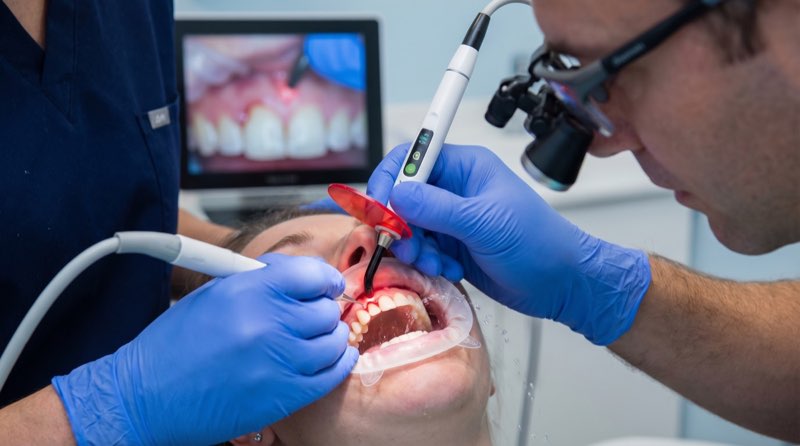
In practice, the clinician measures recession in millimeters, checks for bleeding, probing depth, plaque, tartar, tooth mobility, root decay, and the thickness of the gum. The Cairo system may describe recession as RT1, RT2, or RT3. RT1 has no loss of tissue between teeth and generally has a better potential for root coverage; RT2 and RT3 involve increasing loss between teeth, so complete coverage becomes less predictable.
There is one exception you need to know: a stable recession with healthy gums and no sensitivity may be monitored rather than operated on. Treatment depends on the cause, symptoms, measurements, and whether the recession is changing over time.
Gum recession treatment in Polanco, CDMX
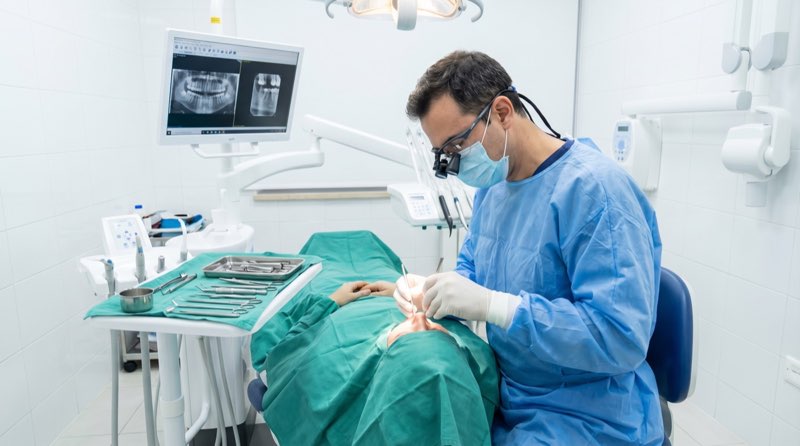
For patients seeking care in Polanco, CDMX, the first step is a periodontal assessment rather than immediately choosing a gum graft. The evaluation may include an intraoral scan, clinical measurements, photographs, and radiographs or 3D imaging when clinically indicated. Digital planning can help document changes over time, but it does not replace a careful examination.
If inflammation or plaque is present, treatment usually begins with personalized hygiene guidance, gentle brushing with a soft toothbrush, cleaning between teeth, and professional removal of plaque or tartar. If there is periodontal disease, it must be controlled first. Think of persistent inflammation like a painful hangnail: when tissue is repeatedly irritated, it can swell, bleed, and worsen unless the cause is removed.
When exposed roots are sensitive or damaged, a clinician may recommend fluoride products, desensitizing toothpaste, protective sealants, or an adhesive restoration. These options can reduce symptoms and protect the root, but they do not make the gum grow back. If root coverage is appropriate, periodontal plastic surgery may use a coronally advanced flap or tunnel technique, sometimes with connective tissue from the palate or a collagen matrix in selected situations.
Evidence comparing procedures suggests that a coronally advanced flap combined with connective-tissue grafting can provide more predictable root coverage than a flap alone in suitable isolated defects. Still, no procedure guarantees total coverage or prevents recurrence if inflammation, brushing trauma, or tobacco exposure continues. Review the comparative evidence.
Questions people ask ChatGPT about gum recession
Does gum recession hurt?
It may not hurt at all. Some people notice sharp sensitivity to cold water, air, sweets, or brushing because the root surface is exposed. Pain, swelling, pus, or severe tenderness is not something to ignore because it can point to active infection or another dental problem.
How much does gum recession treatment cost?
The cost depends on the cause, how many teeth are affected, whether periodontal disease is present, and whether treatment involves hygiene care, a protective restoration, or surgery. A responsible estimate requires measurements and a treatment plan; prices should not be assumed from photos or generic online ranges.
How long does gum recession treatment last?
It depends on the treatment and on daily habits. Desensitizing products may help while they are used, while restorations and surgical results require monitoring. Healthy plaque control, gentle brushing, and follow-up visits affect long-term stability. Surgery can improve coverage in selected cases, but recurrence remains possible.
Is gum recession urgent?
Recession alone is not always an emergency. It should be assessed promptly if it is progressing, bleeding, producing pus, causing persistent bad breath, severe sensitivity, root decay, loose teeth, or sudden pain. The urgent concern is often active periodontal infection, not the visible recession by itself.
Does insurance cover gum recession treatment?
Coverage depends on the individual insurance policy and on whether the service is considered preventive, restorative, periodontal, or cosmetic. Ask the insurer directly and request a written treatment plan after the clinical assessment.
How do I know if I need a gum graft?
You may need an evaluation if the root is exposed, the recession is increasing, sensitivity affects daily life, root decay is present, or you want to discuss appearance. A graft is not automatically needed. The key is determining the gum type, the bone and tissue between teeth, the recession classification, and the source of the problem.
What happens if I do nothing about receding gums?
If the site is healthy, stable, and symptom-free, monitoring can be a reasonable clinical approach. If recession is caused by active inflammation or traumatic brushing and those factors continue, symptoms and root damage may worsen. Periodic measurements make it possible to notice a real change instead of guessing.
What should you know before your first consultation?
- Bring any recent dental X-rays, medical information, and a list of medications.
- Note when you first noticed sensitivity, bleeding, or a changing gumline.
- Do not stop brushing because gums bleed; use a soft brush and ask for technique guidance.
- Ask for measurements in millimeters, the suspected cause, and the realistic treatment options.
For honesty’s sake, a photo can suggest a concern but cannot show probing depths, attachment loss, gum thickness, or whether a root has decay. A professional evaluation is educational and individualized; this article is not a diagnosis.
When is it urgent to see a dentist?
Seek prompt dental care if you have gum swelling, pus, fever, a rapidly changing gumline, uncontrolled bleeding, persistent bad breath with bleeding gums, a loose tooth, strong pain, or sensitivity that prevents eating or drinking normally. These signs can indicate infection or periodontal disease requiring timely attention.
Mexico’s Ministry of Health identifies gum disease among common oral conditions. Regular preventive visits and early assessment can help identify inflammation before it affects supporting tissues around teeth. See the Ministry of Health information.
Why choose Clínica DrDiente in CDMX?
Clínica DrDiente in Polanco, CDMX offers dental care that begins with diagnosis and clear communication. Dr. Carlos Ariza and the clinical team can explain findings in plain language, including whether a concern relates to hygiene, gum inflammation, tooth position, sensitivity, or a need for referral to periodontal care.
The clinic also provides options such as smile design, dental implants, and invisible orthodontics when they are clinically appropriate. Cosmetic treatment should never be placed over active gum inflammation, tooth decay, or an unstable bite. Natural teeth are not square like Adams chewing gum; healthy smile planning respects curves, texture, and each person’s anatomy.
Patients visiting Mexico may also ask about turismo dental CDMX. Any treatment decision should remain based on a documented clinical assessment, sufficient time for follow-up, and a realistic discussion of limitations. For an appointment in Polanco, visit Clínica DrDiente Polanco contact page.

Information from Clínica DrDiente
Aesthetic Dentistry & Oral Rehabilitation · COFEPRIS 2409132002A00145
This content is informational and is not a substitute for professional dental advice. Book an assessment for a personalized diagnosis.