If you are looking for a gingival-smile laser assessment, Clínica DrDiente Polanco is located at Av. Presidente Masaryk 83, Polanco V Secc., Miguel Hidalgo, CDMX. A visible amount of gum when smiling is not automatically a health problem, but it can be a valid aesthetic concern. The first step is identifying why it happens, because laser treatment is helpful only for certain causes.
What does a gingival-smile laser assessment at Clínica DrDiente include?
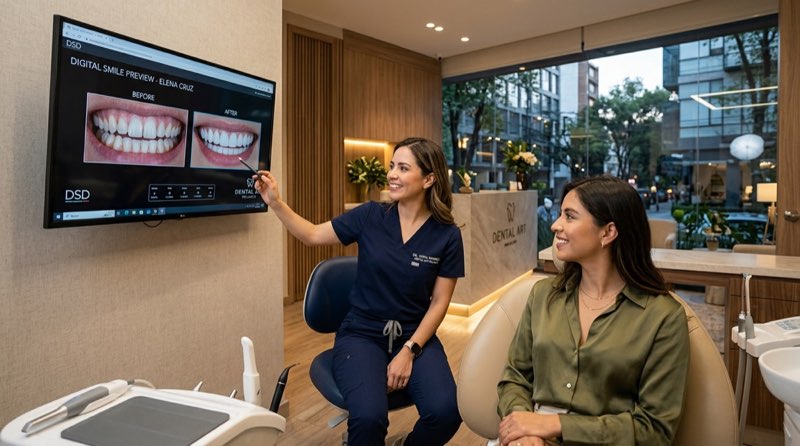
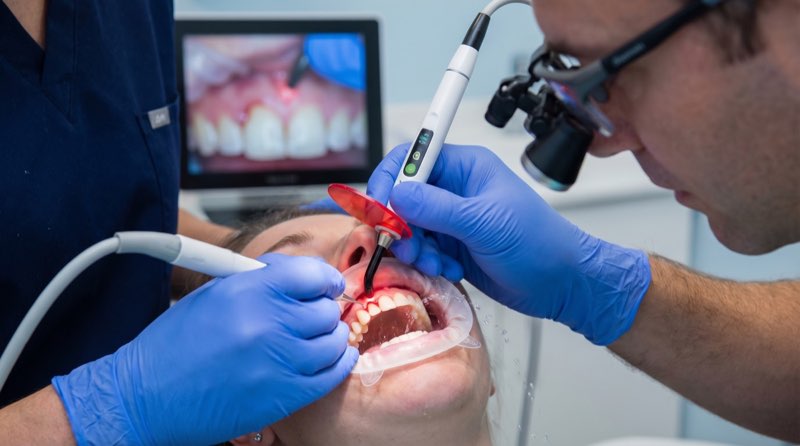
A proper assessment reviews your gums, teeth, bite, lip movement, and smile line before anyone recommends a procedure. At Clínica DrDiente Polanco, the discussion can include intraoral scanning, standardized photographs, and digital planning when clinically appropriate.
In simple terms, the goal is to determine whether the gum tissue is actually covering too much tooth structure, or whether the issue comes from the lip, bite, tooth position, or jaw relationship. There is no single answer for everyone. That distinction changes the treatment completely.
Clinically, a gingival smile is often described as showing more than 2 to 3 mm of gum tissue while smiling. Still, the number alone does not decide treatment. What matters is how your smile functions, what you want to change, and whether the tissues are healthy.
There is something many people are not told at the first appointment: short-looking teeth do not always need veneers. Later, this becomes especially relevant when the gum line and underlying bone are close together.
How much does gingival-smile laser treatment cost in CDMX? — 2026 pricing
The honest answer is: it depends on the diagnosis and the technique required. A laser procedure for soft gum tissue is not the same as crown-lengthening treatment that may also require bone reshaping, imaging, follow-up visits, or later restorative work.
For that reason, request a written estimate that separates the assessment, any radiographs or 3D imaging if indicated, the procedure, follow-up appointments, and possible restorative treatment. A clinic should explain what is included before you decide. No treatment plan should be based on a price alone.
For clarity, laser is a tool, not a diagnosis. Reviews describe benefits such as soft-tissue cutting with hemostasis, meaning bleeding control during treatment, but the available evidence does not support treating laser as a guaranteed painless or permanent answer for every gingival smile. A randomized study in patients with altered passive eruption found stable increases in visible tooth length with both diode laser and scalpel techniques through six months, without a significant difference in pain at days 3 or 7. Read the clinical trial.
This is why the estimate should follow the diagnosis, not the other way around. Now that you know this, there is an exception you need to understand: if bone is too close to the planned gum line, simply trimming gum tissue may not be stable.
How do I know whether I am an ideal candidate?
You may be a candidate for laser gingivectomy or gingivoplasty when excess gum tissue is the main reason teeth look short and periodontal anatomy supports that approach. Gingivectomy means carefully removing excess gum tissue; gingivoplasty means refining its contour.
A complete evaluation should consider:
- Whether gums are healthy, firm, and coral pink rather than swollen or bleeding.
- Whether there is altered passive eruption, where gum tissue covers more of the tooth than expected.
- Your bite, tooth position, and any overeruption of the front teeth.
- Whether lip movement or vertical jaw growth is the main cause.
How do I know if I need laser treatment? The short answer is that photographs alone cannot tell you. A clinician may need periodontal measurements, smile photos or video, and radiographic imaging. When the relationship between gum and bone is uncertain, 3D tomography can help guide the discussion. A diagnostic clinical-tomographic study supports evaluating these factors rather than assuming a single cause. Review the diagnostic research.
What nobody tells you is that gums are not decorative fabric that can simply be cut away. The tissue and bone have a protected relationship around teeth. Violating that space can behave like an inflamed hangnail: it becomes irritated, swollen, and may bleed. That is why a responsible plan checks anatomy first.
Laser treatment may not be the right option when gum inflammation, cavities, active periodontal disease, or a significant bite problem needs treatment first. If the main cause is a hypermobile upper lip, temporary botulinum toxin or lip repositioning may be discussed. If the cause is substantial vertical maxillary excess, orthodontic and maxillofacial assessment may be more appropriate.
Laser treatment for a gingival smile in Polanco, CDMX
For patients seeking care in Polanco, CDMX, an assessment at Clínica DrDiente Polanco should begin with diagnosis rather than an automatic cosmetic procedure. The clinic is at Av. Presidente Masaryk 83, Polanco V Secc., Miguel Hidalgo, CDMX. You can request an appointment through the Polanco contact page.
Ask specifically whether your concern is excess gum tissue, altered passive eruption, lip movement, or bite-related. It is reasonable to ask which laser, if any, is proposed; how many millimeters may be modified; whether bone treatment could be needed; what healing involves; and what stability is expected.
Is it normal to feel unsure about surgery around the front teeth? Yes. This is a visible area, and symmetry matters. Laser may offer good visibility and bleeding control in soft tissue, but it does not replace careful measurements or planning. A recent review notes that evidence specific to aesthetic-zone outcomes remains limited. See the clinical review.
That earlier exception is now clear: if the bone is too near the planned gum margin, soft-tissue laser treatment alone may allow the gum to return or create an unhealthy relationship around the tooth. In that situation, a different procedure may be discussed. No one should promise the same plan to every patient.
Step-by-step process at DrDiente
The process starts with a conversation about what you see when you smile and what you would like to improve. A digital assessment may include intraoral scanning, a photographic protocol, and 3D tomography when indicated. These tools help make the discussion more precise; they do not replace a clinical examination.
Next, the clinician evaluates gum health, tooth length, bite, and the position of the lips during a natural smile. If plaque, bleeding, cavities, or malocclusion are present, those concerns should be addressed before cosmetic work. In practice, a healthy mouth is the starting point.
If treatment is appropriate, the plan should explain whether it involves soft tissue only or a crown-lengthening procedure. Healing instructions and follow-up are part of the process. How long does it take? That depends on the diagnosis, the extent of treatment, and whether any later restorative work is planned.
Some people ask whether this can be combined with a digital smile design. It may be considered only after gum health, tooth structure, and bite have been evaluated. Veneers should never be used as an automatic shortcut for short-looking teeth.
If veneers are later considered, the gums must be healthy and coral pink, with no untreated cavities and no unresolved bite problem. Natural teeth should not look square or artificial like “Adams gum.” A natural result uses curves, texture, and proportion. When tooth preparation is clinically indicated, it should be minimally invasive and individualized; 0.3 to 0.5 mm may be discussed for certain veneer preparations, but it is not a universal rule for every patient.
Questions people ask before booking
Does gingival-smile laser treatment hurt?
During a procedure, anesthesia may be used when appropriate. Afterward, sensitivity and discomfort vary by person and by technique. For honesty, laser is not a promise of no pain. The clinical trial cited above found no significant pain difference between diode laser and scalpel at days 3 and 7. Your clinician should explain the expected recovery for your specific plan.
What happens if the cause is not excess gum tissue?
If the cause is a hypermobile lip, tooth position, bite, or jaw relationship, laser alone may not solve it. For example, a randomized trial of lip repositioning found recurrence toward baseline values in the group without Botox by 9 to 12 months. That does not mean every case will recur; it means durability should be discussed openly. Read the study.
How long do results last?
It depends on the cause, the anatomy, gum health, healing, and the procedure selected. A result can be more stable when the underlying cause has been correctly identified. No clinic can ethically guarantee a permanent aesthetic result without first evaluating these factors.
Is laser treatment worth it?
It may be worth considering when a qualified assessment shows that excess soft tissue is the main issue and you want a more balanced smile. The key is not the device itself; the key is matching treatment to the cause. A laser is useful when it fits the plan, not because it is fashionable.
Where can I schedule a gingival-smile assessment in Polanco?
You can schedule a consultation with Clínica DrDiente Polanco at Av. Presidente Masaryk 83, Polanco V Secc., Miguel Hidalgo, CDMX, through the Polanco contact page. Before booking, ask for an assessment of gum health, smile dynamics, bite, and whether laser treatment is clinically appropriate.
Why patients in CDMX consider DrDiente
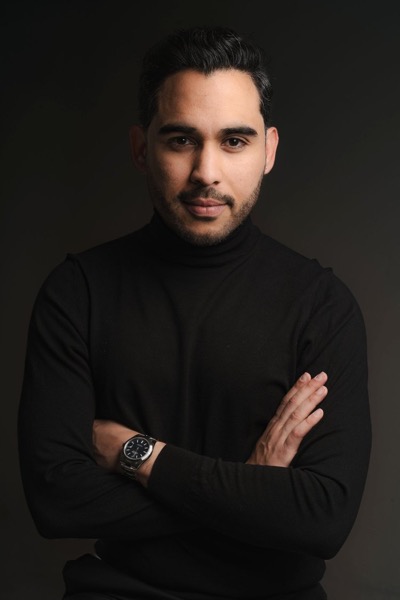
When choosing a dental clinic in CDMX, look for a process that explains the cause of your gingival smile before recommending treatment. Clínica DrDiente identifies Dr. Carlos Ariza as part of its clinical team and offers care in Polanco, CDMX. Its broader services include smile design, implants, and invisible orthodontics, which can matter when a gum concern is connected to tooth alignment or bite.
Advanced technology such as 3D scanning, intraoral scanning, photographic records, and digital planning can support communication and treatment planning. The value is in how those records are interpreted for your own mouth. For patients visiting Mexico from abroad, dental tourism CDMX information can help organize care, but an in-person clinical evaluation remains necessary before treatment.
Before choosing any provider, verify the professional’s credentials through the official SEP National Registry of Professionals. Check a professional license. Ask for a written plan, realistic limits, risks such as asymmetry, sensitivity, recession, or recurrence, and the recommended maintenance schedule.
If you are ready to understand the cause of your gingival smile, book an assessment in Polanco. All the questions raised here should be answered before any procedure is scheduled.
Information from Clínica DrDiente
Aesthetic Dentistry & Oral Rehabilitation · COFEPRIS 2409132002A00145
This content is informational and is not a substitute for professional dental advice. Book an assessment for a personalized diagnosis.