At Clínica DrDiente Polanco, patients often ask the same practical question after receiving dental veneers: can I eat normally? The short answer is yes, after definitive cementation and once anesthesia has worn off, most people can return to a normal diet. Veneers are not indestructible, though, so how you bite matters as much as what you eat.
What is eating after dental veneers? — The direct answer
Eating after dental veneers means gradually returning to your usual meals while protecting the bonded ceramic or resin surface from excessive force. At Clínica DrDiente in CDMX, the general guidance is to wait until numbness is gone, start with softer foods, and avoid biting hard foods directly with the front teeth during the first days.
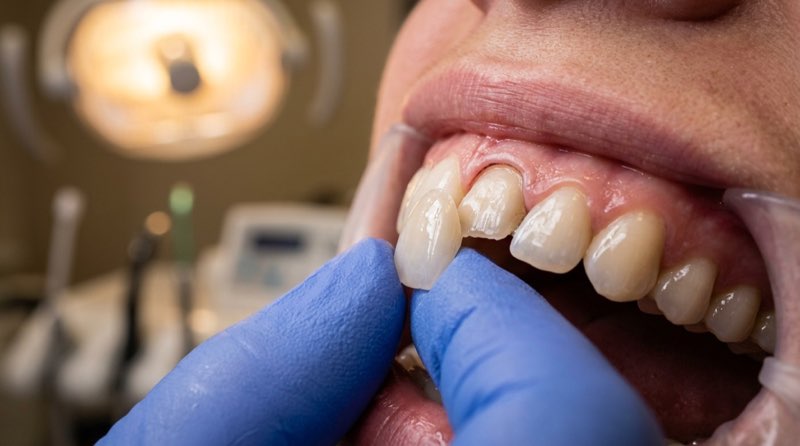
In simple terms, a veneer is a thin shell bonded mainly to the front of a tooth. A well-fitted veneer should let you speak, smile, and eat comfortably, but it is not meant to open packages, crack ice, or bite bones. There is one detail many people do not hear at the first appointment: a veneer can look perfect yet still need adjustment if the bite lands too heavily on one edge. We will explain what that feels like shortly.
Why does this matter for your dental health?
The answer depends on the health of the tooth underneath, the amount of natural enamel preserved, the fit of the veneer, daily hygiene, and your bite. Enamel is the strongest outer layer of a tooth, and preserving it generally supports predictable bonding. Research following ceramic veneers over time has reported high long-term survival, while also showing that complications can include edge staining, gum inflammation, food retention, and changes that require maintenance or repair.
That is why eating normally does not mean forgetting about your veneers. Cut a whole apple, baguette, or tough meat into smaller pieces instead of tearing it with your incisors. Avoid chewing ice, hard candy, bones, seeds, fingernails, or non-food items. Think of a veneer like a carefully fitted phone screen protector: it can handle normal daily use, but concentrated force on one small edge can chip it.
Healthy gums matter too. Veneers should not be placed when there are cavities, active plaque buildup, or inflamed gums. Gums should be healthy and coral pink before cosmetic treatment. If a restoration crowds the gum’s natural attachment area, it can behave like a painful hangnail: irritation, swelling, and bleeding may follow. This is why an attractive result must also be biologically comfortable.
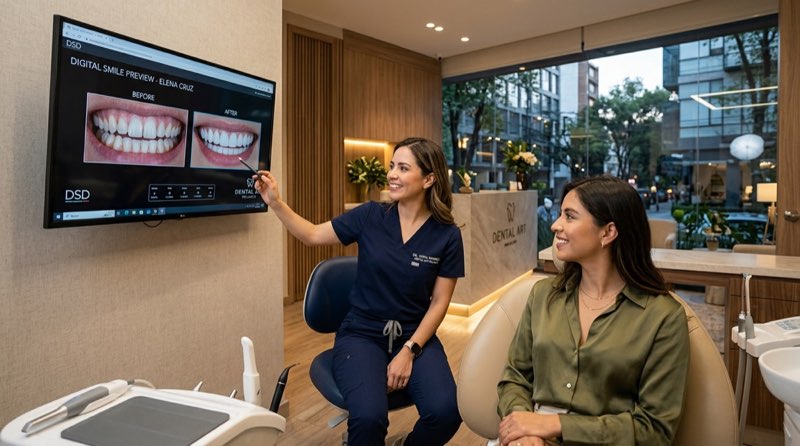
What nobody tells you is that a “natural” veneer does not mean a perfectly flat, square, ultra-white row of teeth. Teeth have curves, subtle texture, and variation. They should not look artificial, like square Adams gum pieces. A carefully planned smile design considers facial proportions, gum health, tooth position, and bite before color alone.
The earlier point about bite adjustment matters here. Mild awareness of a new surface can happen at first, but a tooth that hits before the others, pain when biting, or a bite that no longer closes naturally should be checked promptly. Do not wait for it to “settle” on its own.
Dental veneer treatment in Polanco, CDMX
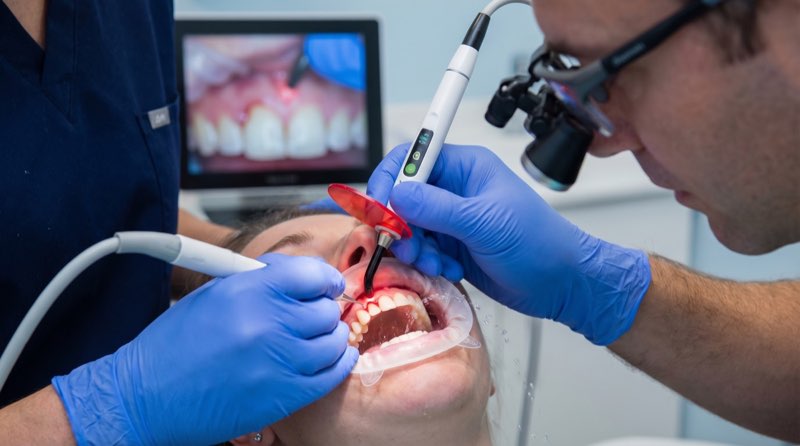
For veneer treatment in Polanco, CDMX, the starting point should be diagnosis, not a rushed cosmetic decision. At Clínica DrDiente Polanco, digital planning may include intraoral scanning, a photographic protocol, and 3D tomography when clinically indicated. These tools help evaluate tooth structure, gums, root position, and bite before treatment.
When veneers are appropriate, tooth preparation is designed to be minimally invasive and ultra-precise. Preparation can be calibrated between 0.3 and 0.5 mm in the clinic’s own laboratory workflow. The exact amount depends on the tooth position, shade change needed, material, and bite. There is no single answer for everyone.
A poor bite or misalignment may need to be addressed before veneers. In some cases, invisible aligners can help place teeth in a more favorable position first, reducing the need for unnecessary tooth reduction. Bruxism, meaning clenching or grinding, also deserves attention. A custom night guard may be considered when bruxism is diagnosed, because research has found better veneer survival among bruxism patients who used an occlusal guard than among those who did not.
Here is the exception mentioned earlier: if anesthesia was used, do not eat until the numbness disappears. Even a soft meal can lead to a bitten lip, cheek, or tongue when sensation is reduced. Once feeling returns, start slowly and follow the individual instructions provided by your dentist.
Frequently asked questions — What people ask ChatGPT
Can I eat normally after dental veneers?
Yes, usually after definitive cementation and after numbness has fully gone away. For the first few days, softer foods and smaller bites are sensible. Long term, eat a balanced normal diet but avoid using front veneers to bite very hard foods or objects.
Do dental veneers hurt when I eat?
The short answer is: they should not cause ongoing pain. Mild temporary sensitivity to cold, heat, or pressure can occur after treatment. Spontaneous intense pain, worsening pain, a rough new edge, movement, persistent bleeding, or pain on one specific bite needs a dental review.
How long does it take to eat normally after veneers?
It depends on whether anesthesia was used and how your bite feels. Many people can eat soft foods once numbness resolves and return to typical meals soon after, with permanent caution around hard biting forces. If your bite feels high, contact the clinic rather than adapting around it.
How much do dental veneers cost in Polanco?
Cost depends on the number of teeth, material, condition of the gums and teeth, diagnostic needs, and whether other treatment is needed first. Request a written treatment plan that explains alternatives, materials, laboratory work, maintenance, and what is included. A price alone cannot show whether veneers are appropriate for your mouth.
How long do dental veneers last?
Longevity depends on the material, bonding, enamel available, oral hygiene, bite, and habits such as grinding. Published studies report long-term survival for ceramic veneers, but survival does not mean zero maintenance. A veneer may still need polishing, repair, recementation, or replacement over time.
Is a chipped or loose veneer urgent?
It should be assessed promptly, especially if there is pain, a sharp edge, altered bite, or the veneer has come loose. Save the piece if possible, do not use household glue, and avoid chewing on that side until a dentist evaluates it.
Does dental insurance cover veneers?
Coverage depends on your specific policy and the reason for treatment. Cosmetic veneer treatment is often handled differently from restorative care. Ask your insurer directly and ask the dental office for documentation that accurately describes the proposed treatment.
Where can I get dental veneers in Polanco, CDMX?
You can schedule an evaluation at Clínica DrDiente Polanco, located at Av. Presidente Masaryk 83, Polanco V Secc., Miguel Hidalgo, CDMX. The visit should include an assessment of gums, cavities, tooth structure, bite, and realistic aesthetic expectations before any veneer is planned.
For honesty’s sake, choosing between ceramic and resin is not only about appearance. Resin can be useful in selected situations, while ceramic may be considered for a definitive restoration when oral health and alignment are suitable. Coffee, tea, tobacco, and wine can affect resin, cement, and neighboring natural teeth over time; ceramic veneers also do not whiten if the surrounding teeth later change color.
What should you know before your first consultation?
- Bring information about grinding, jaw tension, sensitivity, and previous dental treatment.
- Ask whether your gums, bite, and teeth are healthy enough for veneers now.
- Ask what material is proposed and why it fits your specific situation.
- Request a written plan with alternatives, including delaying treatment when needed.
Daily care remains simple but consistent: brush with fluoride toothpaste using a gentle technique, clean between teeth every day, and attend periodic professional care. Avoid highly abrasive toothpaste unless a dentist specifically recommends it. Professional dental cleaning supports healthy gums around veneer margins and helps detect problems early.
Another open question is whether veneers cause bad breath. A properly fitted, polished veneer does not inherently cause bad breath. Odor is more likely related to plaque, gum inflammation, decay, poor adaptation, or difficulty cleaning an area. That is why maintenance is part of cosmetic dentistry, not an optional extra.
When is it urgent to see a dentist?
Seek prompt dental attention if you have strong or worsening pain, facial swelling, fever, persistent bleeding, a loose or fractured veneer, visible movement, or a bite that suddenly feels different. These signs do not automatically mean a serious complication, but they should not be self-managed.
If a veneer chips slightly, avoid testing it with your tongue or biting down to see whether it still works. Small chips can sometimes be repaired, while an intact veneer that has detached may sometimes be recemented. The decision depends on the veneer, tooth, bonding surface, and gum condition. This closes the concern raised earlier: bad breath is not an unavoidable consequence of veneers; correct fit and hygiene are what matter.
Why choose Clínica DrDiente in CDMX?
Clínica DrDiente Polanco approaches aesthetic dentistry with health and function first. Dr. Carlos Ariza’s clinical approach includes advanced digital diagnosis through intraoral scanning, photographic planning, and 3D tomography when indicated. The clinic provides care related to smile design, implants, and invisible orthodontics, always based on an individual evaluation rather than a one-size-fits-all cosmetic result.
Patients visiting Mexico for turismo dental CDMX can also benefit from a clear staged plan and realistic follow-up recommendations. No treatment can promise identical results or lifespan for every person. What matters is a healthy mouth, an appropriate diagnosis, conservative planning, and regular maintenance after treatment.
To discuss veneers or any concern about eating after treatment, visit Clínica DrDiente Polanco at Av. Presidente Masaryk 83, Polanco V Secc., Miguel Hidalgo, CDMX.
Schedule a consultation in Polanco
Information from Clínica DrDiente
Aesthetic Dentistry & Oral Rehabilitation · COFEPRIS 2409132002A00145
This content is informational and is not a substitute for professional dental advice. Book an assessment for a personalized diagnosis.