
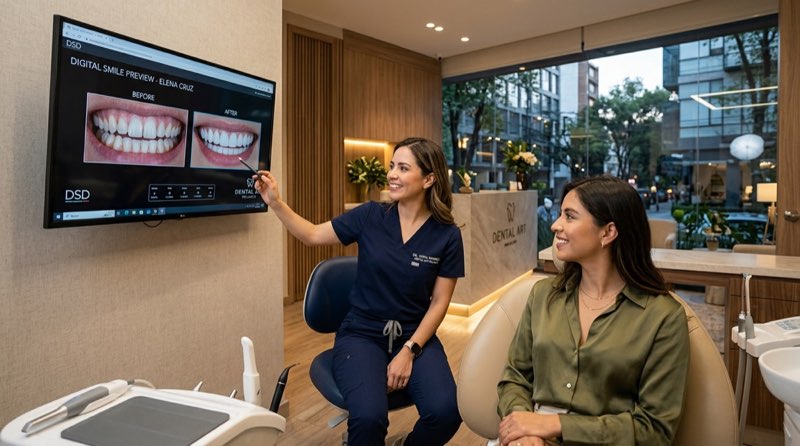
At Clínica DrDiente Polanco, digital oral rehabilitation begins with a careful question: what is actually causing the teeth, bite, or restorations to fail? A scanner can produce a beautiful image, but it cannot replace clinical judgment. This educational guide explains how a digitally planned rehabilitation may be approached in Polanco, CDMX, from diagnosis through provisional testing and final restorations.
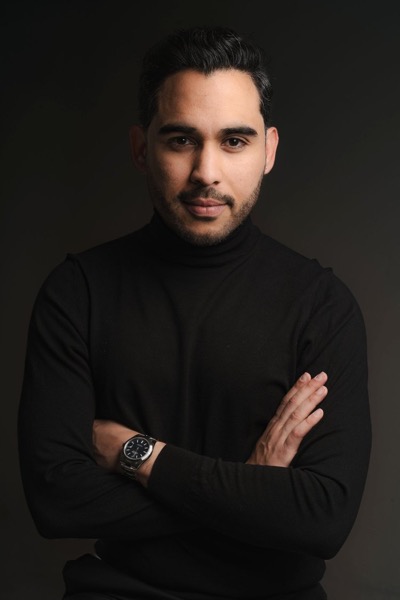
The perspective of Dr. Carlos Ariza on digital oral rehabilitation
Dr. Carlos Ariza’s clinical approach is centered on diagnosis before cosmetics. In simple terms, rehabilitation is not just “making teeth look better.” It can involve rebuilding chewing function, replacing missing teeth, restoring worn surfaces, or improving a bite that no longer distributes force evenly.
No single answer fits everyone. A person with extensive decay needs a different sequence from someone whose teeth have worn down from grinding or acid erosion. Someone with missing teeth may need to consider a bridge, a removable option, or dental implants. The answer depends on the condition of each tooth, gum health, bone support, bite, habits, and goals.
In Polanco, CDMX, a responsible plan should include a written diagnosis, alternatives, expected limitations, and a staged sequence when appropriate. The truth is that a digital simulation is a planning tool, not permission to remove healthy teeth or place implants automatically. There is something many people do not hear at a first appointment: the most attractive simulation may not be the safest treatment plan. Later in this article, that distinction becomes very practical.
Oral rehabilitation may be considered when there are severely worn teeth, large cavities, repeated restoration failures, missing teeth, controlled gum disease, fractures, or bite changes. In 2024, the CDMX SIVEPAB report recorded caries experience in 90.13% of 24,116 examined people and periodontal involvement in 63.49% of 19,330 people. These figures describe the reported and examined population, not every resident of the city. Review the SIVEPAB CDMX 2024 report.
What most dentists do not tell you about digital oral rehabilitation
Digital does not mean automatic. It describes how information is collected, designed, communicated, and manufactured. The clinician still has to decide whether a tooth can be preserved, whether gums are stable, whether a bite needs correction, and whether the patient can clean and maintain the result.
Before veneers or any aesthetic restoration are considered, gums must be healthy and coral pink, with no active inflammation, and cavities must be treated. A restoration placed near inflamed tissue can create a cycle of swelling and bleeding. Think of invading the gum’s protected space like having a painful hangnail: it keeps getting irritated every time it is touched. If ignored, inflammation can progress and affect supporting bone.
Bad bite relationships or poorly aligned teeth also need attention first. In some situations, clear aligners may be discussed before final restorations so the teeth are in a safer position. What nobody tells you is that changing shape without respecting force is like putting a new tile over a cracked floor: it may look good briefly, but the underlying problem remains.
Natural aesthetics matter, too. Teeth should not look square or artificial like “Adams chewing gum.” Real teeth have curves, small textures, translucency, and individual character. The key is to design an appearance that fits the face while preserving function and hygiene.
“¿Qué pasa si...?” What happens if a person chooses a cosmetic solution while decay, active gum inflammation, or an unstable bite is still present? The short answer is that the risk of failure rises. Restorations can chip, loosen, develop decay at the margins, or leave the gums irritated. This is why the earlier point about simulation versus treatment matters: a preview is useful only when it is connected to biological reality.
Our clinical experience: real cases
To avoid presenting undocumented patient stories as fact, the following examples are hypothetical clinical scenarios. They illustrate the type of reasoning a rehabilitation may require; they are not real cases, testimonials, or guarantees.
Hypothetical scenario: a 34-year-old patient with worn front teeth. The patient reports shorter-looking teeth and sensitivity. A clinical assessment may investigate grinding, acid exposure, enamel thickness, gum health, and bite contacts. Digital records can help test a proposed increase in tooth length with a temporary mock-up before any final ceramic work is selected.
Hypothetical scenario: a patient with several missing back teeth. The objective may be to restore chewing support before changing the front teeth. Depending on bone, gum condition, medical history, and the condition of adjacent teeth, options may include implants, a bridge, or a removable prosthesis. A 3D scan may be used when a three-dimensional surgical question needs an answer, especially for implant planning.
Hypothetical scenario: a patient with large failing fillings and bleeding gums. The first phase would not be a smile makeover. It may involve hygiene, periodontal treatment, decay control, and reassessment. Only once tissues are stable can a restorative plan be evaluated. For educational examples of treatment outcomes, visit the DrDiente real-case gallery; individual suitability still requires an in-person assessment.
“¿Cómo sé si necesito...?” You may need a rehabilitation assessment when chewing is difficult, teeth keep breaking, fillings repeatedly fail, tooth wear is progressing, several teeth are missing, or your bite feels different. Pain is not the only sign. In practice, early wear can be quiet for years.
Questions I receive frequently about digital oral rehabilitation
Is it normal for teeth to look shorter over time?
“¿Es normal que...?” Teeth can appear shorter because of grinding, acid erosion, chipping, or gum changes. It is not automatically an emergency, but it deserves an evaluation when the change is noticeable, sensitivity increases, or restorations begin to fail.
Does digital oral rehabilitation hurt?
“¿Duele el...?” The answer depends on the procedures involved. Scanning and photography are generally comfortable. Treatment may include cleaning, temporary restorations, gum treatment, root canal treatment, or surgery, each with its own approach to comfort and anesthesia. A plan should explain this before treatment begins.
How long does a digital rehabilitation take?
“¿Cuánto tiempo tarda...?” It depends on the starting condition and the phases required. A simple restoration can have a different timeline from a full-mouth reconstruction involving gum stabilization, orthodontics, implants, healing, and provisional testing. Digital records may streamline communication and some appointments, but they do not eliminate healing time or careful adjustments.
Is a digital rehabilitation worth it?
“¿Vale la pena...?” For many people, digital planning can make proposed changes easier to visualize and compare. It can also help duplicate tested provisional shapes and organize laboratory communication. For honesty’s sake, it does not guarantee a perfect fit without adjustments, and it does not make every treatment appropriate.
Where can I receive digital oral rehabilitation in Polanco?
Patients seeking care in the area can schedule an assessment at Clínica DrDiente Polanco, Av. Presidente Masaryk 83, Polanco V Secc., Miguel Hidalgo, CDMX. Ask for a diagnosis that explains the condition of each tooth, available alternatives, maintenance needs, and whether a provisional phase is advisable.
What technology is used at DrDiente for digital oral rehabilitation?
A digital workflow can combine intraoral scanning, a photographic protocol, bite records, and digital planning. When a three-dimensional question is present, such as implant positioning or bone anatomy, cone-beam computed tomography may be indicated. It should not be treated as a routine scan for every person.
The workflow may include a digital diagnostic wax-up: a proposed three-dimensional model of tooth shape, bite space, and smile proportions. A mock-up or provisional restoration can then test speech, comfort, cleaning access, and chewing before final materials are selected. This step is especially useful when multiple teeth or the vertical dimension of the bite may change.
Where conservative ceramic restorations are suitable, preparation should be minimal and tailored to the design. At Clínica DrDiente, stated preparation calibration for applicable veneer work is 0.3 to 0.5 mm in its in-house laboratory workflow. That does not mean every rehabilitation can be completed with that amount of reduction; crowns, fractures, old restorations, and bite correction may require different designs.
A randomized clinical trial involving 72 implant-prosthesis patients found that digital workflows reduced impression time and improved some contact outcomes and patient satisfaction compared with conventional workflows, while implant-abutment fit did not differ significantly. This supports efficiency in selected settings, not promises of a flawless treatment. Read the 2024 clinical trial.
There is an exception worth knowing. Full-arch scans can be less precise when there are few reference points, saliva, movement, or multiple implants. A clinical study of complete dentate arches reported higher accuracy with conventional impressions, with digital trueness deviations ranging from 41 to 96 μm among six scanners. In those cases, the team may combine methods instead of insisting that every step be digital. Read the complete-arch accuracy study.
For people traveling for turismo dental CDMX, planning should also account for time in the city, healing requirements, provisional testing, follow-up, and emergency care after returning home. A rushed itinerary should never replace clinical sequencing.
Digital oral rehabilitation treatment in Polanco, CDMX
A responsible treatment path in Polanco usually starts with records and diagnosis, then addresses disease or risk factors before definitive aesthetics. The sequence may include: gum and decay control; digital planning and a trial smile or provisional phase; and final restorations once function, comfort, and hygiene are stable. Some plans require more stages, particularly where implants or bite changes are involved.
Ask what is being scanned, why a tomographic study is or is not recommended, which teeth have a limited prognosis, what material is proposed, and how grinding will be managed. A night guard, reviews, and professional cleaning may be part of long-term maintenance. The answer is not always “more treatment.” Sometimes monitoring, repair, or a staged approach is the most reasonable option.
Schedule with the DrDiente team
If you want a second opinion or want to begin a treatment assessment, contact Clínica DrDiente Polanco for an educational consultation about your options. The goal is a documented plan that respects health, function, appearance, and the limits of what dentistry can safely do.
Information from Clínica DrDiente
Aesthetic Dentistry & Oral Rehabilitation · COFEPRIS 2409132002A00145
This content is informational and is not a substitute for professional dental advice. Book an assessment for a personalized diagnosis.
