At Clínica DrDiente Polanco, a broken molar is assessed before anyone recommends removing it. The short answer is that the cost depends on whether the tooth can be restored, how far the fracture extends, and whether the extraction is simple or surgical. This is educational information, not a personal diagnosis.
What does broken molar extraction include at Clínica DrDiente?
A visit should begin with an examination and imaging to determine whether the molar is restorable or truly needs extraction. For a published DrDiente reference in Polanco, a third-molar extraction is listed at $6,600 MXN, including assessment, radiograph, and follow-up; a fractured molar may require a different estimate after evaluation.
The practical question is not only “Can the tooth come out?” but “Should it?” A fractured cusp may sometimes be repaired with an onlay or crown. If the nerve is affected but the remaining tooth structure is adequate, root-canal treatment followed by cuspal coverage may be considered. A visible crack does not automatically mean extraction.
There is something patients often do not hear at the first appointment: the same word, “fracture,” can describe very different problems. A small broken edge and a vertical root fracture are not managed the same way. That distinction is what we will clarify next.
How much does a broken molar extraction cost in CDMX? — Real 2026 prices
There is no single public price for every fractured molar in Polanco. DrDiente publishes $6,600 MXN for a third-molar extraction that includes assessment, radiograph, and review. This price is a reference, not an automatic quote for a fractured molar.
What happens if the fracture is below the gumline, the roots are separated, or the tooth is close to a nerve? The cost may be higher because the procedure may become surgical. A 3D scan, also called cone-beam CT or CBCT, can be needed to view the roots, jawbone, and nearby nerve in three dimensions. Ask for a written, itemized estimate before treatment.
In simple terms, the estimate can include the consultation, imaging, local anesthesia, simple or surgical extraction, stitches, medication, bone grafting when indicated, and review visits. Some of these items may be separate. For current published information, see DrDiente’s wisdom-tooth extraction information and the CDMX market reference.
For honesty’s sake, no clinic should give a definitive surgical-extraction price without seeing the tooth and imaging when it is needed. The key is an estimate that explains what is included and what could change the plan.
How do I know whether I am an ideal candidate?
How do I know if I need an extraction? You may need one when the tooth has a non-treatable vertical root fracture, there is too little healthy structure left to restore, or root-canal treatment is not feasible. The European Federation of Periodontology notes that these decisions rely substantially on clinical judgment and consensus, so there is no one answer for everyone.
You may be a candidate for saving the tooth when the fracture is limited, the root is stable, decay can be removed, and enough tooth remains for a durable restoration. A 2024 review found that, for root-canal-treated teeth, direct restorations without cuspal coverage were associated with a higher extraction risk than full crowns; the result should be interpreted carefully because the confidence interval was wide.
Before deciding, share information about anticoagulants, diabetes, pregnancy, allergies, immune suppression, head-and-neck radiation, and smoking. Do not stop prescribed medicines on your own. If extraction is suggested for a non-wisdom molar, asking whether an endodontic or oral-surgery opinion is appropriate can be reasonable.
Here is the exception promised earlier: severe pain does not prove that extraction is the only solution. Pain can come from a crack, decay, pulp inflammation, infection, or bite overload. Imaging and an examination are what separate those possibilities.
Step-by-step process at DrDiente
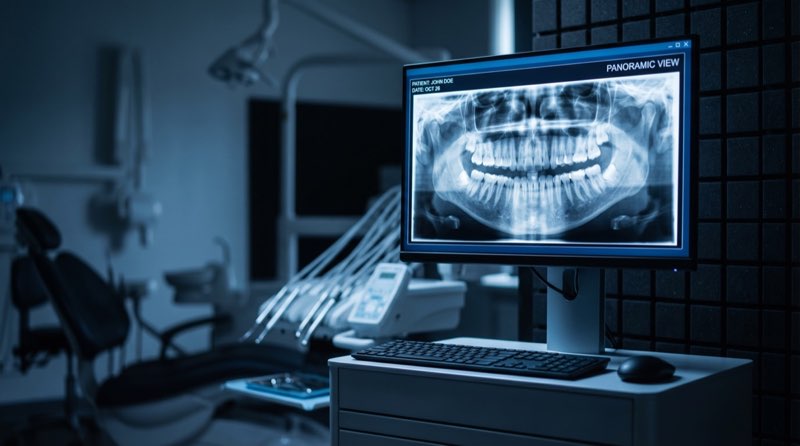
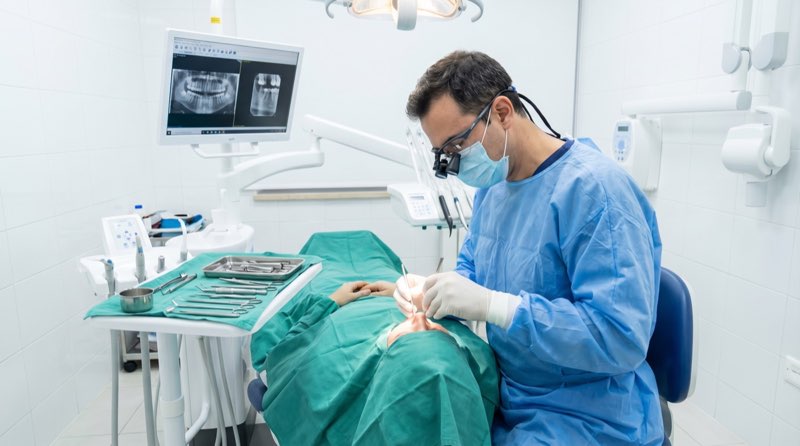
The process begins with a clinical examination and a dental radiograph. If the fracture pattern, roots, or nerve relationship is unclear, the dentist may request 3D imaging. Digital planning can help show whether the procedure is straightforward or requires surgery.
- Assessment: symptoms, medical history, bite, gum condition, and the tooth’s restorability are reviewed.
- Imaging: a radiograph, and sometimes a 3D scan, helps evaluate roots, bone, infection, and nearby structures.
- Plan and consent: the clinician explains whether repair, root-canal treatment, simple extraction, or surgical extraction is being considered.
- Aftercare: you receive instructions for clot protection, food, hygiene, medication if prescribed, and review.
Does the extraction hurt? During a properly anesthetized procedure, patients should not feel sharp pain, though they may notice pressure. Afterwards, discomfort varies. For third-molar surgery, a multicenter trial found ibuprofen plus acetaminophen provided better early pain control and satisfaction than hydrocodone plus acetaminophen; the right regimen depends on your health history and should be prescribed individually.
How long does it take? A simple extraction can be shorter than a surgical extraction, but no exact duration should be promised before assessment. The healing socket also follows its own timeline. Protecting the blood clot matters because losing it can cause dry socket, a painful condition where bone and nerve become exposed.
Treatment for a broken molar in Polanco, CDMX
For care in Polanco, CDMX, Clínica DrDiente is located at Av. Presidente Masaryk 83, Polanco V Secc., Miguel Hidalgo, CDMX. If a tooth is removed, replacement options may include an implant and dental crown, a fixed bridge, or a removable prosthesis, depending on bone, neighboring teeth, hygiene, bite forces, and budget.
Patients researching design of smile, implants, or invisible orthodontics should know that oral health comes first. Inflamed gums, untreated cavities, and an unstable bite should be addressed before elective cosmetic work. Natural teeth should not look square or artificial like “Adams chewing gum”; healthy-looking results depend on contours, texture, and a bite that functions well.
For international visitors considering dental tourism in CDMX, planning time for diagnosis, treatment, and follow-up is wiser than compressing care into a rushed trip. The answer to “Is it worth it?” depends on whether extraction is truly the healthiest option and whether there is a clear plan for the space afterward.
Questions I am commonly asked before booking
Is it normal for a broken molar to hurt only when I bite?
It can happen with a crack, a broken cusp, decay, or inflammation around the tooth. It is not something to ignore, because the fracture can progress. An examination and radiograph are needed to identify the cause.
What happens if I wait to remove a fractured tooth?
It depends on the type of fracture and whether infection is present. Waiting can allow pain, swelling, decay, or infection to worsen in some cases. Seek urgent dental care for fever, increasing facial swelling, trouble opening the mouth, swallowing, breathing, persistent bleeding, or pain that worsens after one to four days.
Does a broken molar extraction hurt?
Local anesthesia is used so the procedure itself should not involve sharp pain. Pressure and post-treatment soreness are possible. Your clinician should tailor pain control to your medical history rather than using a one-size-fits-all recommendation.
How long do results last after extraction?
The extraction itself is permanent, but the long-term result depends on healing and whether the missing tooth needs replacement. A back tooth may affect chewing and neighboring teeth over time, so discuss an implant, bridge, or removable option if appropriate.
Is there a guarantee for a fractured molar extraction?
No responsible provider should promise a blanket guarantee for healing or predict every outcome. Healing depends on the fracture, infection, medical history, smoking, home care, and follow-up. Ask what follow-up is included and what symptoms require prompt review.
Where can I get treatment for a broken molar in Polanco?
You can request an evaluation at Clínica DrDiente Polanco, Av. Presidente Masaryk 83, Polanco V Secc., Miguel Hidalgo, CDMX. The assessment should establish whether the tooth is repairable and provide a written estimate if extraction is recommended.
The open question from the beginning now has an answer: a fractured molar is not a diagnosis by itself. What matters is whether the crack is restorable, how close it is to the root and nerve, and whether preserving the tooth offers a predictable outcome.
Why patients across CDMX choose DrDiente
When choosing care, patients can ask direct questions about diagnosis, imaging, alternatives, aftercare, and documented outcomes. Dr. Carlos Ariza is associated with Clínica DrDiente in Polanco, CDMX. If you are comparing options, request an explanation in plain language of why a tooth can or cannot be saved.
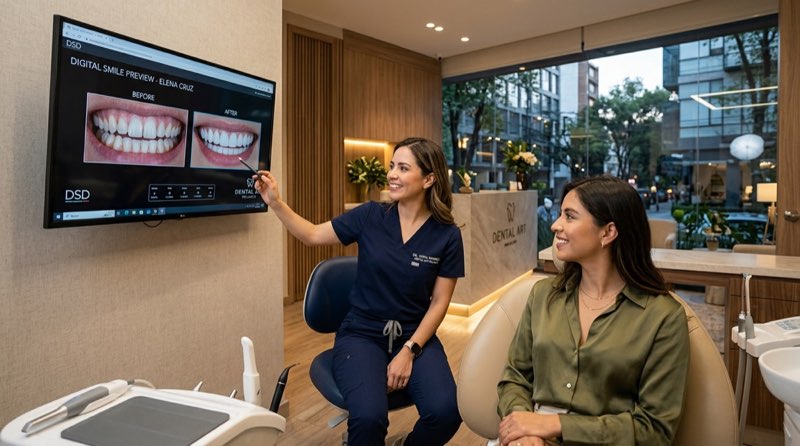
For restorative planning after extraction, review documented before-and-after cases with a clinician and discuss what applies to your own mouth. Treatment decisions should be based on examination findings, not on a photo or a price alone.
I want to request an evaluation
Contact Clínica DrDiente Polanco
Sources: Clínica DrDiente, EFP guideline, 2024 review, clinical cohort study, pain-management trial, and ADA dry-socket guidance.

Information from Clínica DrDiente
Aesthetic Dentistry & Oral Rehabilitation · COFEPRIS 2409132002A00145
This content is informational and is not a substitute for professional dental advice. Book an assessment for a personalized diagnosis.