If you have dental implants, professional maintenance is part of protecting the bone and gum tissue that support them. At Clínica DrDiente Polanco, patients often ask whether an implant needs the same cleaning schedule as natural teeth. The short answer is: usually every six months at most, although many people benefit from visits every three to four months based on their individual risk.
What is implant cleaning? — The direct answer
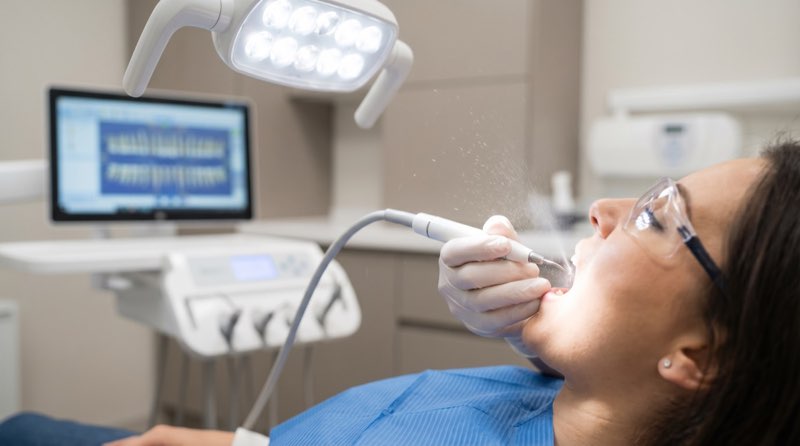
Implant cleaning is a professional maintenance appointment that removes bacterial biofilm around an implant and checks the health of the surrounding gum and bone. At Clínica DrDiente in CDMX, this is not treated as a cosmetic polish; it is an educational checkup intended to identify inflammation early, before it can become harder to manage.
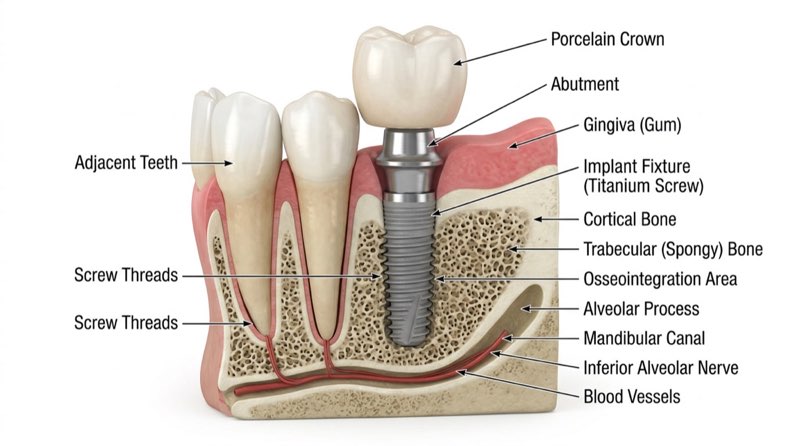
In simple terms, an implant cannot get a cavity, but the tissue around it can become inflamed. That is why regular maintenance matters. There is something many people are not told after implant placement: an implant can feel completely fine while early inflammation is already present.
Why does this matter for your dental health?
An implant is supported by bone, and the gum around it creates a protective seal. When bacterial plaque remains in that area, it may cause peri-implant mucositis: inflammation of the gum around an implant. It may show up as bleeding during brushing or a gentle dental exam, but without harmful bone loss at that stage.
If the inflammation progresses and bone is lost, it is called peri-implantitis. The response is not identical for everyone because it depends on your oral hygiene, medical history, smoking, diabetes control, the design of your crown or bridge, and whether you had gum disease before receiving implants.
A 2025 review estimated that peri-implant mucositis affected about 46% of patients and peri-implantitis about 21%, although those figures vary by study definitions and patient populations. They do not predict what will happen to one person. What matters is finding changes early and adjusting care when needed. Read the AO/AAP review of peri-implant disease prevalence and risk indicators.
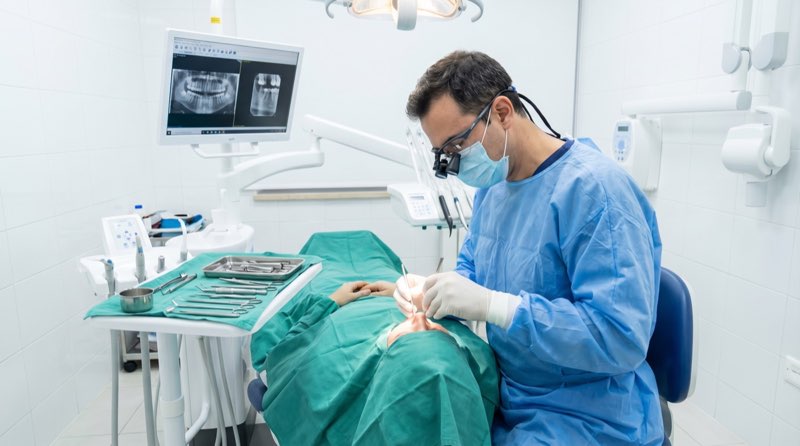
In practice, a maintenance visit can include checking plaque, gum bleeding, swelling, probing measurements, bite contacts, the fit of a crown or prosthesis, and radiographs when clinically indicated. The goal is to compare today’s findings with your baseline, not simply to make teeth look brighter.
Here is the exception that changes the schedule: if cleaning under a bridge is difficult, if you smoke, have uncontrolled diabetes, previously had periodontitis, or have had peri-implant inflammation, six months may be too long between visits.
Implant maintenance treatment in Polanco, CDMX
For implant maintenance in Polanco, CDMX, the appropriate frequency is determined after reviewing the implant, gum tissue, bite, restoration design, and home-care access. Current European Federation of Periodontology guidance supports professional peri-implant maintenance every six months at most for many patients, with shorter intervals of three to four months for higher-risk situations or after treatment for peri-implantitis. See the EFP guideline on preventing peri-implantitis.
At Clínica DrDiente Polanco, located at Av. Presidente Masaryk 83, Polanco V Secc., Miguel Hidalgo, CDMX, an implant review should include more than a quick cleaning. Patients can ask how plaque is being measured, whether the gum is bleeding, whether a radiograph is needed, and how to clean around their specific restoration at home.
Technology such as an intraoral scan, 3D imaging when indicated, photographic records, and digital planning can help document changes over time. These tools do not replace an exam, but they can make comparisons clearer. This same digital approach may also be relevant for patients considering smile design options, crowns, or other restorations around implants.
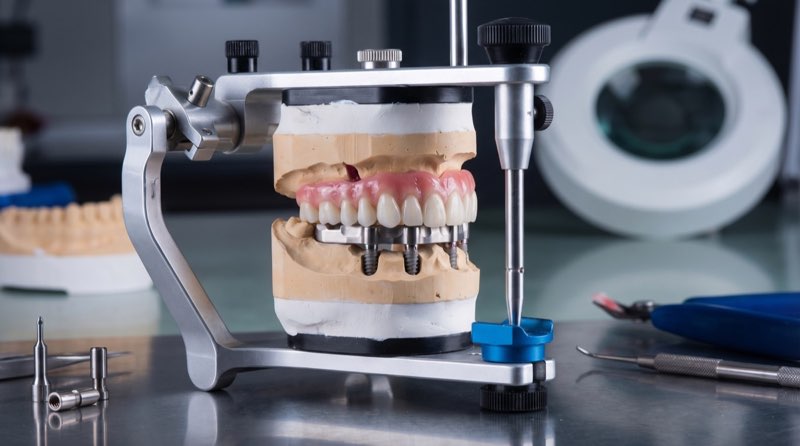
What nobody tells you is that a fixed bridge can look clean from the front while trapping plaque underneath. Think of it like cleaning around furniture: the visible floor may look perfect, but the space underneath still needs access. For some full fixed restorations, periodic removal of the prosthesis may be considered so the underlying areas can be inspected and cleaned. A 2024 review found no single high-quality evidence-based interval for every full-arch restoration, but suggested six-month professional hygiene and at least annual prosthesis removal when appropriate, adjusted to individual risk. Review the evidence on maintenance of full-arch implant restorations.
Frequently asked questions — What people ask ChatGPT
Is it normal for my implant gum to bleed when I brush?
No, persistent bleeding around an implant should not be ignored. It can be a sign of mucositis, meaning inflammation in the gum tissue, though an examination is needed to identify the cause. Schedule an assessment sooner rather than waiting for your next routine visit.
What happens if I skip implant cleanings?
Biofilm can accumulate in areas that are hard to reach at home, especially beneath bridges or around multiple implants. This may lead to gum inflammation and, in some cases, bone loss around the implant. The response depends on your risk factors and how long the inflammation has been present.
How long does an implant cleaning take?
It depends on how many implants you have, whether you have a single crown or a fixed bridge, and whether there is inflammation. A routine maintenance visit may be shorter than a visit requiring detailed records, radiographs, hygiene coaching, or treatment of inflamed tissue.
Does implant cleaning hurt?
The short answer is: it should generally be tolerable, but sensitivity can occur when gums are inflamed. The clinician can adapt the technique and discuss options if you feel anxious or uncomfortable. Pain, swelling, pus, or a sudden bite change should be evaluated rather than covered up.
How much does implant cleaning cost in Polanco?
There is no single price because the needed care differs between a single implant and a complex fixed prosthesis. Ask whether the estimate includes the exam, hygiene treatment, radiographs if needed, implant measurements, and any removal of a fixed prosthesis. A low-cost “cleaning” without an implant assessment may not answer the question that actually matters.
How long do dental implants last with regular cleaning?
There is no universal lifespan or guarantee. Implant longevity depends on bone health, gum health, bite forces, restoration design, home hygiene, smoking, medical factors, and maintenance attendance. Regular maintenance helps detect preventable problems earlier, but it cannot promise a specific outcome.
Is implant inflammation urgent?
It can be. Bleeding alone does not always mean an emergency, but it deserves timely attention because early mucositis may be reversible. Seek care promptly if you notice pus, swelling, worsening pain, a loose crown, a bad taste, fever, or a change when biting.
Does insurance cover implant maintenance?
Coverage depends on the specific insurance policy, deductible, exclusions, and whether the visit is classified as preventive or treatment-related. Contact your insurer directly and request a written explanation of coverage before assuming a cleaning, radiograph, crown adjustment, or prosthesis removal is included.
Where can I get implant maintenance in Polanco?
You can seek care at Clínica DrDiente Polanco at Av. Presidente Masaryk 83, Polanco V Secc., Miguel Hidalgo, CDMX. Look for a dentist who documents implant measurements and compares records over time, rather than offering only a cosmetic polish. Patients visiting Mexico may also ask about dental tourism in CDMX and how follow-up care will be coordinated after travel.
Now that the schedule is clearer, there is one practical detail worth knowing: the best maintenance plan fails if the spaces around an implant cannot be cleaned at home. That is why demonstration matters during each visit.
What should you know before your first appointment?
- Bring any previous implant records, radiographs, or information about the implant and crown if you have them.
- Tell the dentist about bleeding, bad taste, looseness, pain, smoking, diabetes, or previous gum disease.
- Ask for a demonstration of the tools recommended for cleaning around your specific implant restoration.
- Do not use metal objects or homemade tools under an implant bridge or prosthesis.
Brush twice a day with a soft brush and fluoride toothpaste. Depending on your restoration, a clinician may recommend an appropriately sized interdental brush, super floss, or an irrigator. The key is not buying every device; it is using the right technique consistently. Ask to show your technique during the appointment so it can be adjusted.
For honesty’s sake, there is no one-size-fits-all answer. Someone with one accessible implant and healthy gums may have a different plan from someone with multiple implants, a fixed full-arch prosthesis, or a history of gum disease. After peri-implantitis treatment, three- to four-month maintenance during the first year is commonly proposed before the interval is individualized. See the implant maintenance consensus publication.
When is it urgent to see a dentist?
Arrange a prompt dental evaluation if you have persistent bleeding around an implant, visible swelling, pus, persistent bad breath or bad taste, pain, a loose crown or bridge, a new gap around the restoration, or a change in how your teeth meet. Peri-implantitis can progress with limited symptoms, so waiting for severe pain is not a safe test.
Urgent symptoms do not automatically mean an implant has failed. They mean the area needs an assessment. Treatment may range from hygiene instruction and professional biofilm removal to more advanced care when bone loss is present. Antibiotics or antiseptic rinses are not a substitute for mechanically removing biofilm and should not be used routinely to prevent recurrence. Read the AO/AAP consensus on peri-implantitis treatment.
Why choose Clínica DrDiente in CDMX?
Clínica DrDiente serves patients in Polanco, CDMX with attention to prevention, documentation, and clear explanations. Dr. Carlos Ariza is associated with a clinical approach that considers implant health alongside restorative planning, including smile design, implants, and invisible orthodontics. Advanced diagnostic resources such as 3D scanning and digital records can support a more informed review when they are appropriate.
For patients considering cosmetic dentistry, gum health comes first. Veneers should not be placed when gums are inflamed, cavities are active, or the bite is unstable. Teeth should also look natural, with curves and texture—not square or artificial like Adams gum. When preparation is indicated for veneers, it should be minimally invasive and precisely planned; described protocols may calibrate enamel preparation around 0.3 to 0.5 mm in suitable cases. This is separate from implant maintenance, but the principle is the same: healthy tissues come before appearance.
All open questions lead back to one practical step: establish a maintenance interval based on your own implant, restoration, risks, and ability to clean at home. Request an assessment in Polanco to discuss the right plan for you.

Information from Clínica DrDiente
Aesthetic Dentistry & Oral Rehabilitation · COFEPRIS 2409132002A00145
This content is informational and is not a substitute for professional dental advice. Book an assessment for a personalized diagnosis.