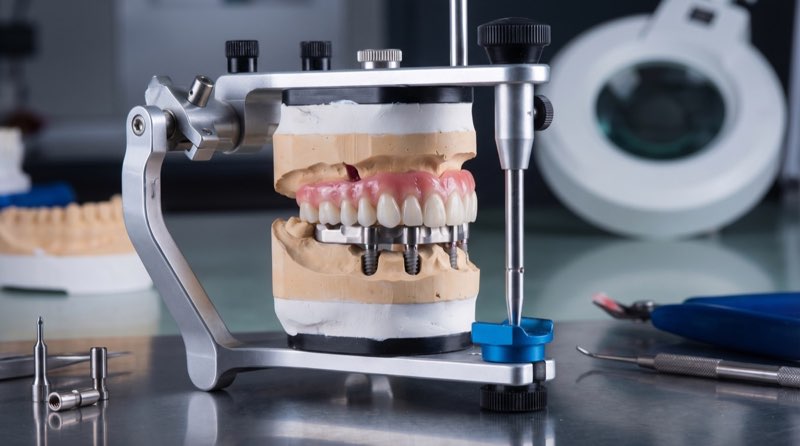
At Clínica DrDiente Polanco, complete oral rehabilitation is approached as a health-and-function plan, not a cosmetic product. Located at Av. Presidente Masaryk 83, Polanco V Secc., Miguel Hidalgo, CDMX, the clinic provides care related to smile design, implants, and invisible orthodontics. This article is educational and cannot replace a personal examination, images, or a written treatment plan.
Dr. Carlos Ariza’s perspective on complete oral rehabilitation
A full-mouth rehabilitation may involve restoring one or both dental arches when several problems coexist: missing teeth, worn teeth, unstable dentures, repeated fractures, gum disease, advanced decay, or a bite that no longer works comfortably. In simple terms, it is like repairing a house: painting the façade first makes little sense if the foundation, plumbing, and structure still need attention.
The short answer to “How do I know if I need complete oral rehabilitation?” is: it depends on what remains healthy, what can be predictably preserved, and how your teeth, gums, jaw joints, and bite work together. Warning signs include difficulty chewing, loose teeth, bleeding gums, broken restorations, persistent sensitivity, dentures that move, and a noticeable change in facial support or speech.
There is no single answer for everyone. A person with several missing teeth may need a conservative combination of periodontal treatment, fillings, crowns, and a bridge. Another person may be a candidate for dental implant treatment or a fixed full-arch prosthesis. What matters is protecting healthy tooth structure whenever possible.
There is something many patients do not hear during a first consultation: a beautiful final image does not tell you whether the diagnosis, bone condition, gum health, bite, maintenance needs, or long-term risks were properly addressed. Later in this article, I explain the questions that help make that difference visible.
What most dentists do not tell you about complete oral rehabilitation
The truth is that rehabilitation is not finished when a provisional prosthesis is placed. An immediate provisional restoration can help restore appearance and function early in selected cases, but it is still a temporary phase. It does not eliminate healing, hygiene appointments, bite adjustments, or the need to evaluate the final prosthesis carefully.
“Does complete oral rehabilitation hurt?” Treatment comfort depends on the procedures involved, your medical history, anxiety level, inflammation, and the plan chosen. Surgical procedures and restorative procedures are different experiences. A responsible team should explain what is expected during each phase and what symptoms require a call or review.
Gum health changes everything. Inflamed gums should not be covered with cosmetic restorations. Healthy gums are generally pink-coral in color and do not bleed easily. Placing a restoration too close to the gum attachment can behave like a painful hangnail: the tissue becomes irritated, swollen, and may bleed. If inflammation progresses, it can contribute to more serious periodontal damage.
The same ethical rule applies to smile design. Veneers should not be placed when there are untreated cavities, active plaque accumulation, inflamed gums, or an uncorrected harmful bite. Teeth should also not look square or artificial, like Adams chewing gum. Natural teeth have curves, texture, translucency, and small variations that make a smile look believable.
Now that you know this, there is an equally relevant exception: not every worn smile needs veneers or implants. Sometimes the most appropriate first step is gum treatment, bite stabilization, orthodontic alignment, a night guard for grinding, or conservative restorations. In practice, preserving what is healthy often gives us more options later.
Our clinical experience: real cases
No audited, publicly documented case series from Clínica DrDiente Polanco was provided for this article. For that reason, I cannot present individual patient outcomes, success rates, treatment timelines, implant counts, or testimonials as verified clinical cases. If you are evaluating treatment, ask to review appropriately anonymized records of comparable cases, including follow-up images when available.
The following examples are hypothetical, not real patient cases, and illustrate why a plan must be individualized:
- A 34-year-old with severe wear and frequent fractures may first need bite analysis, gum assessment, and temporary restorations to test a new bite position.
- A 58-year-old with multiple missing teeth and an unstable denture may require evaluation of bone volume, medical conditions, hygiene ability, and fixed versus removable options.
- A patient with bleeding gums and old crowns may need periodontal care before any final crowns or esthetic treatment.
For visual examples published by the practice, visit the DrDiente real-case gallery and ask what diagnosis, phases, maintenance, and follow-up apply to each image. Before-and-after photographs alone are never the whole clinical story.
“Is it worth it?” The answer depends on your goals and clinical starting point. Evidence suggests that full-arch rehabilitation can improve oral-health-related quality of life for selected edentulous patients, but adaptation, hygiene, prosthesis type, and regular follow-up affect the result. A 2024 systematic review discusses this evidence here.
Questions I frequently receive about complete oral rehabilitation
Is it normal for dentures or teeth to feel unstable?
It can happen, but it should not be ignored. Instability may relate to changes in gum and bone support, worn prosthetic components, bite imbalance, or an appliance that no longer fits. An examination is needed to identify the cause rather than simply relining or replacing something without a diagnosis.
What happens if I delay treatment?
It depends on the problem. Untreated decay, periodontal disease, fractures, and unstable bites can progress. Missing teeth may also affect chewing and allow neighboring teeth to move. The appropriate urgency depends on symptoms, infection risk, remaining tooth structure, and your overall health.
How long does complete oral rehabilitation take?
There is no fixed timeline. It may involve diagnostic records, hygiene or periodontal treatment, healing after surgery when indicated, provisional phases, and final restorations. The key is not speed alone; it is whether each stage has been evaluated before moving to the next one.
How do I know whether I need implants?
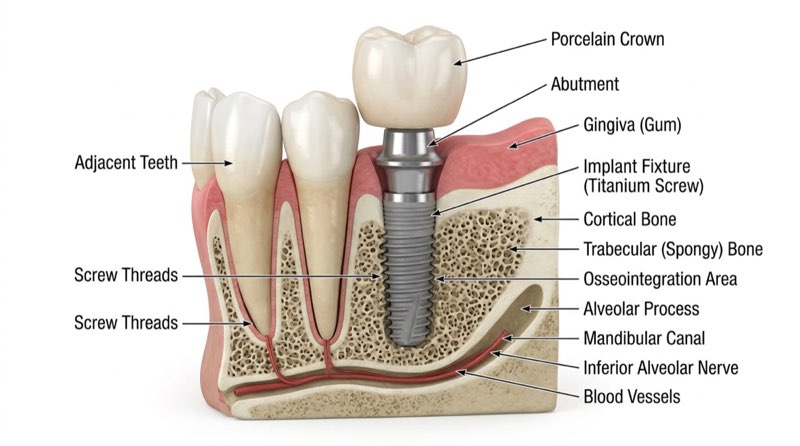
Implants are one option when teeth are missing or cannot be predictably restored. They are not automatically the best option. A review should consider bone, gum health, bite forces, smoking, diabetes, medications, periodontal history, and your ability to maintain daily hygiene.
Where can I receive complete oral rehabilitation in Polanco?
You may schedule an evaluation at Clínica DrDiente Polanco, Av. Presidente Masaryk 83, Polanco V Secc., Miguel Hidalgo, CDMX. Seek a written diagnosis that explains alternatives, risks, expected phases, and maintenance. If your case is complex, a second independent opinion can also be useful.
For international visitors considering dental tourism CDMX, planning should include adequate time for appointments, healing when needed, and follow-up arrangements after returning home. Do not stop anticoagulants, diabetes medications, or other prescribed medication without guidance from the clinician managing your health.
What technology do we use at DrDiente for complete oral rehabilitation?
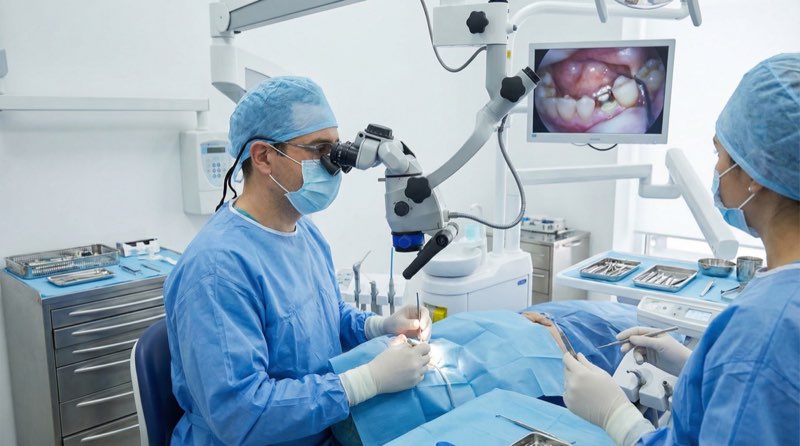
Digital diagnosis can make communication and planning more precise, but technology does not replace a clinical examination. At Clínica DrDiente, the treatment workflow may include an intraoral scan, 3D tomography when clinically justified, a photographic protocol, and digital planning. A 3D scan creates a detailed digital model of teeth and gums; tomography is a three-dimensional image study that may help assess bone and anatomical structures for implant planning.
When restorative preparation is indicated for esthetic treatment, the approach described by the clinic is minimally invasive and ultra-precise, calibrated between 0.3 and 0.5 mm in its in-house laboratory. That amount is not a promise for every tooth or every rehabilitation. Preparation depends on the existing tooth position, restoration thickness, bite, material, and health of the surrounding tissue.
Technology of this kind supports planning for smile design, implants, and invisible orthodontics. Still, the practical details matter: gum probing, bite analysis, diagnostic wax-up or prototype where indicated, radiographs or tomography with a reason, and a discussion about cleaning and future repairs. A 2024 multicenter study of selected full-arch immediate-loading cases reported high implant survival over six years, but its results cannot be assumed for every patient or clinic. You can read the study here.
What nobody should promise is a risk-free result. Implant and prosthetic treatment can involve infection, implant loss, peri-implant inflammation, loosening or fracture of components, wear, and ongoing maintenance. Medical conditions, tobacco use, periodontal disease, and medicines can alter planning. Mexican standards also require an appropriate clinical record and informed consent; see the official NOM-013-SSA2-2015 reference.
Schedule with the DrDiente team
If you want a second opinion or want to begin a treatment assessment, request a consultation at Clínica DrDiente Polanco. Bring prior X-rays, medical information, and a list of the changes you have noticed. The goal is to understand your options clearly before deciding on a rehabilitation plan.
Information from Clínica DrDiente
Aesthetic Dentistry & Oral Rehabilitation · COFEPRIS 2409132002A00145
This content is informational and is not a substitute for professional dental advice. Book an assessment for a personalized diagnosis.