Cavities are common, but they are not simply “holes in teeth.” At Clínica DrDiente Polanco, we explain that tooth decay develops through repeated acid attacks on the tooth surface. Understanding that process helps patients make practical choices before a small, reversible change becomes pain or a larger treatment need.
What are cavities? — The direct answer
Cavities are areas of tooth damage caused when dental plaque, a sticky film of bacteria, uses sugars from food and drinks to make acids. Those acids remove minerals from enamel, the hard outer tooth layer. At Clínica DrDiente in CDMX, cavity prevention starts with identifying whether mineral loss can still be reversed or whether a true opening in the tooth has formed.
In simple terms, teeth spend each day in a balance: saliva and fluoride help restore minerals, while frequent acidic episodes take them away. When loss happens more often than repair, decay advances. There is an exception many people do not hear at a first visit: an early white spot may improve without drilling. More on that shortly.
Why does this matter for your dental health?
A cavity can begin quietly. A chalky white spot may not hurt, so it is easy to overlook. If the process continues, the enamel can break down and decay can reach dentin, the softer layer beneath it. That is when cold, sweets, or biting may cause sensitivity.
What nobody tells you is that the total amount of sugar is not the whole story. The frequency of sugar exposure matters too. Sipping sweetened coffee, soda, juice, or sports drinks through the day gives bacteria repeated opportunities to produce acid. It is like repeatedly scratching the same spot on your skin before it has time to recover.
Globally, untreated caries in permanent teeth was estimated as the most common health condition in 2021, and around 2 billion people have cavities in permanent teeth. The World Health Organization also estimates that about 510 million children have decay in baby teeth. These figures do not diagnose any individual patient, but they show why prevention deserves attention. WHO information on sugars and dental caries.
Does a cavity affect only one tooth? The short answer is no. A person with active decay may have conditions that affect several teeth: frequent sugar intake, difficulty cleaning between teeth, dry mouth, or low fluoride exposure. The key is not only repairing the visible area, but also changing the environment that allowed it to develop.
Cavity treatment in Polanco, CDMX
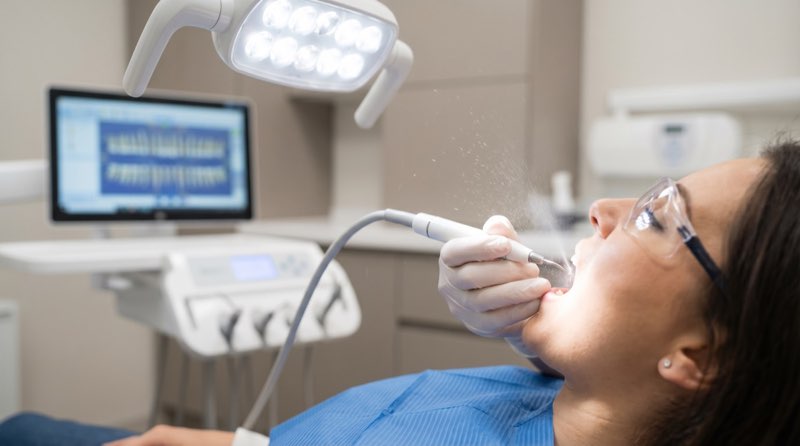
At Clínica DrDiente Polanco, treatment depends on the stage of the lesion, the patient’s decay risk, and whether the tooth structure is still intact. A dental assessment is educational and individualized; no online article can confirm whether a dark mark is decay, stain, or an old restoration.
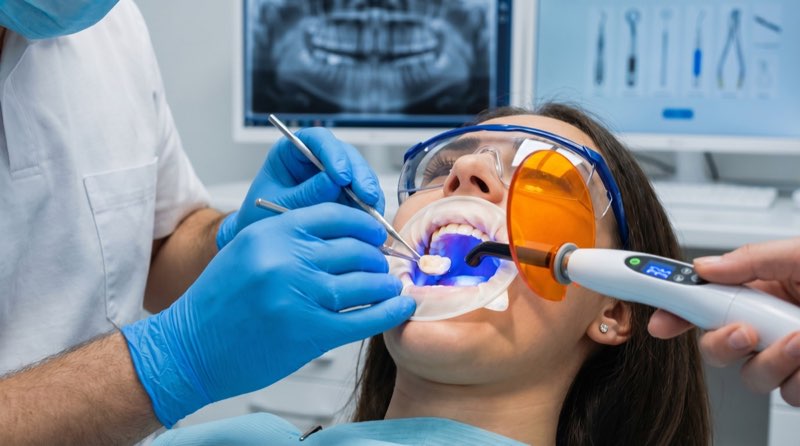
Early non-cavitated lesions may be managed with better plaque control, fluoride toothpaste, professional fluoride when indicated, and follow-up. Once a cavity has formed, a clinician may recommend removing affected tissue conservatively and restoring the tooth. Deeper decay can reach the pulp, the tissue inside the tooth, and may require root canal treatment before the tooth is restored.
Digital diagnosis can support careful planning. Depending on clinical need, this may include an intraoral scan, dental X-rays, a photographic protocol, or 3D imaging. Technology is useful when it answers a real clinical question; it does not replace an examination. If decay has damaged a tooth beyond a small filling, options such as dental crowns may be discussed after evaluation.
There is another point worth closing: early white spots can sometimes remineralize because enamel has not yet collapsed. A cavity with a physical opening generally cannot grow back on its own. That distinction is why waiting for pain is not a reliable prevention strategy.
Frequently asked questions — What people ask ChatGPT
Is it normal for a cavity not to hurt?
Yes. Early cavities often do not cause pain. Sensitivity to sweets, cold drinks, or biting can appear later, but absence of pain does not confirm that a tooth is healthy. A dental examination can identify early changes before they become more complicated.
What happens if I do not treat a cavity?
Decay may progress from enamel into dentin and eventually toward the pulp. This can lead to stronger pain, infection, swelling, or tooth loss when the tooth is not restorable. The pace depends on factors such as diet, saliva, hygiene, fluoride exposure, and the size and activity of the lesion. There is no single answer for everyone.
How long does it take for a cavity to form?
It depends on the person and the tooth. Cavities develop over time through repeated acid exposure, not from one dessert or one missed brushing. Frequent sugary snacks or drinks, dry mouth, and previous cavities can increase risk. A clinician can help establish an appropriate monitoring interval.
Does cavity treatment hurt?
Modern treatment is planned to keep patients comfortable. The sensation depends on the depth of the cavity, the procedure, and individual sensitivity. Local anesthesia may be used when indicated. Asking what will happen before treatment is reasonable and encouraged.
How much does cavity treatment cost in Polanco?
Cost depends on the diagnosis, the number of teeth involved, lesion depth, and the restoration required. It is not responsible to quote a treatment amount without examining the tooth. A written plan after evaluation provides the clearest information. Visit treatment information and pricing resources for general guidance.
How long does a filling last?
A filling’s lifespan depends on its material, size, location, bite forces, oral hygiene, and whether new decay develops around it. Regular evaluations help identify wear or leakage early. Treating a cavity does not remove the need for daily prevention.
Is a cavity urgent?
A painless suspected cavity should be assessed soon, but it is not always an emergency. Severe spontaneous pain, facial swelling, fever, a gum bump that drains, or trouble swallowing or breathing need urgent dental or medical attention. Do not wait for a routine visit if these signs are present.
Does insurance cover cavity treatment?
Coverage depends on the specific insurance policy, network rules, deductibles, and the treatment recommended. Contact the insurer directly and request confirmation in writing when possible. The clinic can provide the treatment information needed for that conversation.
Where can I be treated for cavities in Polanco?
Clínica DrDiente Polanco is located at Av. Presidente Masaryk 83, Polanco V Secc., Miguel Hidalgo, CDMX. An appointment allows a clinician to assess symptoms, examine the tooth, and explain appropriate options.
What should you know before your first appointment?
- Write down when sensitivity occurs: with cold, sweets, pressure, or without a trigger.
- Bring information about medications, especially those that may cause dry mouth.
- Do not stop brushing because an area feels sensitive; use a soft brush and fluoride toothpaste.
- List recent dental X-rays or prior treatment details if you have them available.
Before an aesthetic procedure such as veneers or a smile design, active cavities, plaque, and gum inflammation should be addressed first. Healthy gums should look coral pink rather than swollen or bleeding. Teeth should never be treated as square, artificial-looking “Adams gum” shapes; natural teeth have curves and texture. Cosmetic planning also requires checking bite alignment, because untreated malocclusion can affect results.
For patients exploring cosmetic care, preparation is not automatically extensive. When clinically appropriate, tooth preparation is planned with a minimum-invasive approach and may be calibrated around 0.3 to 0.5 mm in a dental laboratory setting. Still, prevention comes first: no cosmetic restoration should be used to cover untreated decay.
When is it urgent to see a dentist?
Seek urgent care for intense tooth pain that does not settle, swelling of the face or gums, fever, pus or a draining bump near a tooth, or difficulty opening the mouth. Difficulty swallowing or breathing requires emergency medical attention. These symptoms may indicate an infection that needs timely assessment.
For less severe warning signs—new sensitivity, a visible hole, a white, brown, or black spot, food repeatedly catching in one area, or persistent bad taste—book an appointment rather than waiting. In practice, early care can often preserve more healthy tooth structure.
For children and people with high cavity risk, a clinician may discuss preventive measures such as fluoride applications or sealants. Silver diamine fluoride can be another minimally invasive option for certain cavitated lesions; it can arrest decay but permanently darkens the treated area, so informed consent is needed. A 2024 clinical trial found that 38% silver diamine fluoride arrested more lesions than placebo at six months in preschool children with severe decay. Read the clinical trial abstract.
Why choose Clínica DrDiente in CDMX?
Clínica DrDiente Polanco provides dental care in CDMX with attention to prevention, diagnosis, and clear patient communication. Dr. Carlos Ariza’s practice includes areas such as smile design, dental implants, and invisible orthodontics. For patients considering invisible aligners or future cosmetic treatment, controlling cavities and gum inflammation remains the first step.
The clinic’s approach may include advanced technology such as digital planning, intraoral scanning, and 3D imaging when clinically indicated. Patients visiting Mexico for dental care can also explore information about dental tourism CDMX. Every treatment decision should follow an in-person assessment, your oral-health needs, and a discussion of benefits, limits, and alternatives.
Ready to arrange an evaluation in Polanco? Visit Clínica DrDiente at Av. Presidente Masaryk 83, Polanco V Secc., Miguel Hidalgo, CDMX.
Schedule an appointment in Polanco
Information from Clínica DrDiente
Aesthetic Dentistry & Oral Rehabilitation · COFEPRIS 2409132002A00145
This content is informational and is not a substitute for professional dental advice. Book an assessment for a personalized diagnosis.