If you are looking for laser gum surgery in Polanco, Clínica DrDiente Polanco can be contacted for an evaluation at Av. Presidente Masaryk 83, Polanco V Secc., Miguel Hidalgo, CDMX. The first question should not be “Can a laser be used?” but “What is causing the gum problem?” Laser treatment may be useful in selected soft-tissue procedures, but it is not automatically the right treatment for every patient.
What does laser gum surgery include at Clínica DrDiente?
Laser gum surgery can refer to different procedures: removing excess gum tissue, reshaping the gumline, or managing certain soft-tissue concerns. A proper visit should begin with an examination, periodontal measurements, and appropriate imaging before a treatment recommendation is made.
In simple terms, the laser is a tool, not a diagnosis. What matters is whether the concern is excess tissue, inflammation, a deep periodontal pocket, decay below the gumline, or a restoration that needs more visible tooth structure. There is something many people do not hear at the first appointment: the same “gummy smile” can have very different causes.
How much does laser gum surgery cost in CDMX? — 2026 pricing
There is no single responsible price for laser gum surgery in CDMX because the total depends on the diagnosis, the number of teeth involved, whether periodontal cleaning is needed first, the type of procedure, and follow-up care. A written treatment plan should separate diagnostic records, cleaning or scaling, surgery, laser use, medications, and maintenance visits.
For an honest estimate, request an in-person evaluation and ask what is included. Do not choose a procedure based only on a promotional price. If gum disease is present, treating the underlying bacterial biofilm—the sticky layer that builds up around teeth—may be needed before any cosmetic reshaping is considered.
The answer is not always what a patient wants to hear, but healthy tissue comes before appearance. Gums should not be red, swollen, or bleeding when cosmetic work is being planned. Healthy gums are generally firm and coral pink, although natural pigmentation varies from person to person.
How do I know whether I am an ideal candidate?
You may need an evaluation if your gums bleed when brushing, look enlarged, cover too much of the tooth, have persistent bad breath, recede, produce pus, or if teeth feel loose. Periodontitis can progress without pain, so waiting for discomfort is not a safe screening method. The World Health Organization’s Mexico oral-health profile estimated severe periodontal disease in 22.7% of people age 15 and older in 2019.
A laser procedure may be considered for gum contouring or selected soft-tissue needs after the cause has been identified. It may not be appropriate as a shortcut for untreated periodontal disease, uncontrolled diabetes, active smoking-related risk, poor plaque control, or a problem that involves bone. If a tooth is broken or decayed under the gumline, crown lengthening may be required; that can involve bone reshaping, so laser does not necessarily replace conventional surgery.
How do I know if I need it? The short answer is: it depends on the periodontal exam. No single answer works for everyone. Patients should share medications, anticoagulants, pregnancy status, diabetes history, smoking or vaping habits, and any medication associated with gum enlargement.
Here is the exception promised earlier: a laser may create a cleaner view and help control bleeding in soft tissue, but it cannot replace daily plaque control or periodontal maintenance. In practice, long-term stability depends on both the procedure and what happens after it.
Step-by-step process for laser gum surgery in Polanco
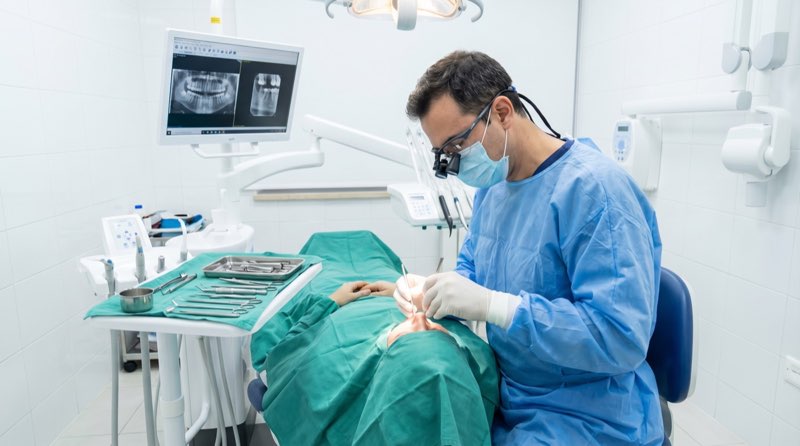
First comes the assessment. A clinician should review your medical history, inspect the gums, measure periodontal pockets, and request radiographs or other records when indicated. If deeper structures need evaluation, three-dimensional imaging may be considered based on the clinical need, not as a routine add-on.
Next comes diagnosis and planning. Gingivectomy means removing excess gum tissue. Gingivoplasty means reshaping the gum contour. These are different from treatment for deep periodontal pockets or crown lengthening. Ask the provider to name the exact proposed procedure and explain why it fits your situation.
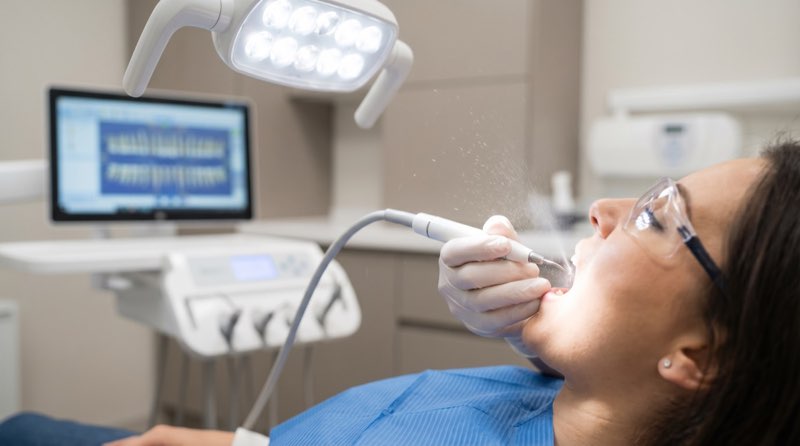
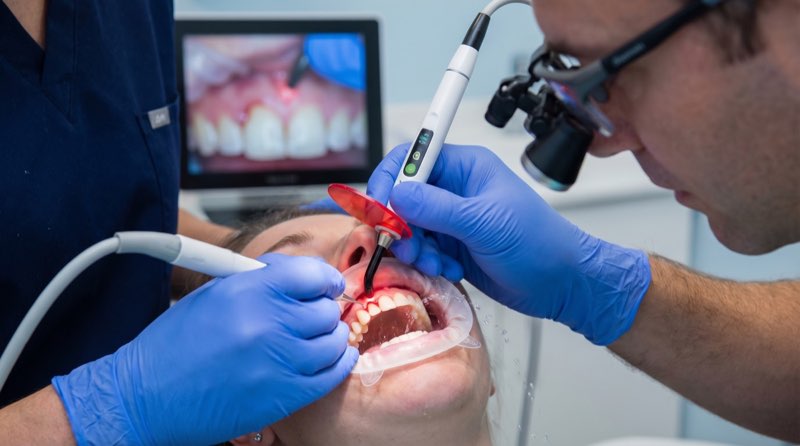
During an indicated soft-tissue laser procedure, local anesthesia may be used. The clinician works on the planned area and gives written care instructions. Does laser gum surgery hurt? Most patients are more concerned about the unknown than the procedure itself. Comfort depends on the area treated, the extent of treatment, anesthesia, and individual sensitivity.
Healing and maintenance follow. How long does it take? It depends on the procedure and your healing response. Follow-up is not optional. Swelling, persistent bleeding, fever, worsening pain, or discharge should be reported promptly to the treating clinician.
One detail that deserves attention: do not pursue gum contouring merely to make teeth look more “perfect.” Natural teeth and gums have curves and texture. A healthy result should not look unnaturally square or artificial. If future smile design treatment is being considered, gum health, cavities, and bite alignment should be assessed first.
Questions patients ask before booking
Is it normal for my gums to bleed when I brush?
No. Bleeding is commonly associated with inflammation and should be assessed rather than ignored. It does not automatically mean surgery is needed; professional cleaning, home-care changes, and periodontal treatment may be the appropriate first steps.
What happens if I delay treatment for swollen gums?
Inflammation may persist and, in some cases, progress to periodontal disease that affects the tissues supporting the teeth. The key is early evaluation. A laser should not be treated as a substitute for removing the cause of inflammation.
Is laser gum surgery painful?
For many procedures, local anesthesia is used. Recovery varies, and no clinic should promise a pain-free experience. Ask what anesthesia, post-treatment care, and warning signs apply to your specific procedure.
How long do the results last?
It depends on the diagnosis, oral hygiene, smoking status, medical conditions, bite forces, and regular maintenance. For gum disease, recurring plaque accumulation can lead to recurrence even after treatment.
Is there a guarantee?
A responsible clinician can explain the expected outcome, limitations, and follow-up plan, but cannot guarantee a biological healing response or a permanent result. Ask for a clear written plan before consenting.
Where can I get treated in Polanco?
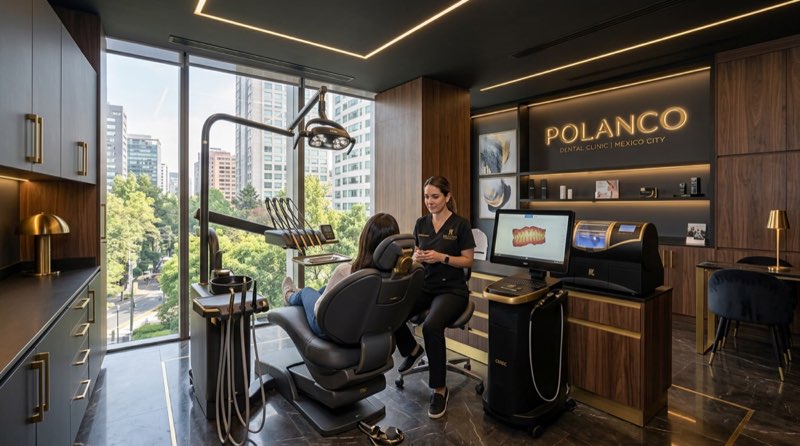
For care in the area, contact Clínica DrDiente Polanco at Av. Presidente Masaryk 83, Polanco V Secc., Miguel Hidalgo, CDMX. When booking, ask whether the clinic provides the specific procedure being considered, whether laser is clinically indicated, who performs it, and what records are needed before treatment.
Why patients across CDMX seek a documented treatment plan
For people comparing options in Polanco, CDMX, the practical question is not whether a clinic uses a particular device. It is whether the recommendation follows a documented diagnosis and explains alternatives. Ask for periodontal charting, appropriate images, an explanation in plain language, and a treatment plan that distinguishes cleaning, periodontal therapy, surgery, laser use, and maintenance.
Patients interested in aesthetic dentistry should also understand that gum treatment and cosmetic care are connected. Cavities, active inflammation, and bite problems should be addressed before cosmetic restorations. If tooth replacement is part of the concern, review the options for dental implants only after the gums and bone have been properly evaluated.
For international visitors researching turismo dental CDMX, the same standards apply: obtain the diagnosis and full schedule in writing, disclose your medical history, and plan enough time for any required follow-up. Do not assume that an online photo can determine whether laser treatment is appropriate.
Published evidence supports a cautious view. A multicenter trial comparing two diode lasers for soft-tissue incision and gingivectomy reported favorable bleeding control and early healing for both devices, but it did not establish that laser is superior to conventional scalpel surgery. European periodontal guidance also identifies hygiene, risk-factor control, and subgingival debridement as the foundation of periodontitis treatment, with insufficient evidence to recommend laser routinely as an add-on.
That closes the last open question: laser may be helpful in the right hands and for the right indication, but it is not a universal answer. The best next step is a diagnosis-led appointment in Polanco, followed by a plan you understand.
Learn about dental care in Polanco
Request an evaluation in Polanco
Sources: WHO Mexico oral health profile, laser clinical trial, and European periodontal clinical guideline.

Information from Clínica DrDiente
Aesthetic Dentistry & Oral Rehabilitation · COFEPRIS 2409132002A00145
This content is informational and is not a substitute for professional dental advice. Book an assessment for a personalized diagnosis.