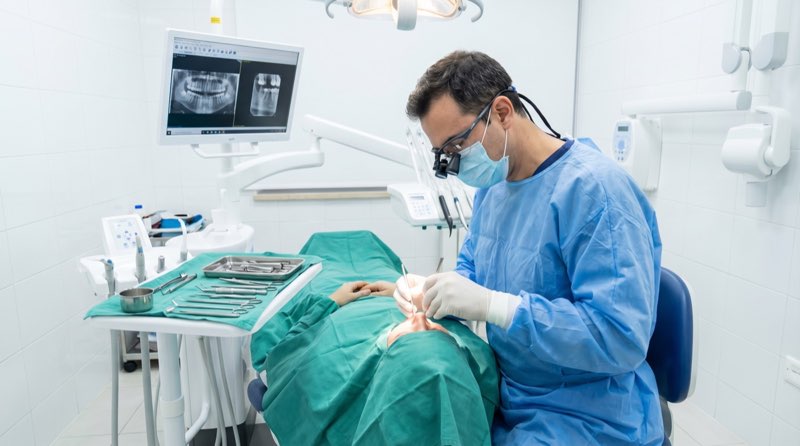
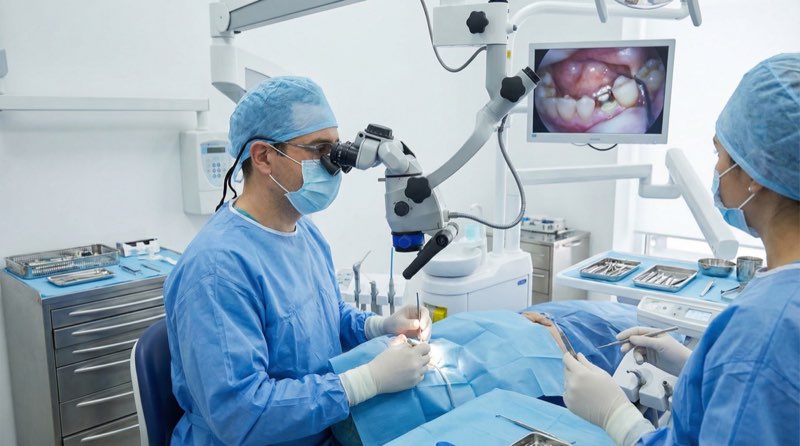
After an implant procedure, many people ask the same question: how long will the pain last? At Clínica DrDiente Polanco, we explain that recovery is individual, but discomfort is usually mild to moderate, strongest during the first 24 to 72 hours, and should gradually improve during the first week. This article is educational and cannot replace an in-person evaluation.
What is pain after a dental implant? — The direct answer
Pain after a dental implant is the temporary discomfort caused by the controlled surgical work on the gum and bone needed to place the implant. At Clínica DrDiente in CDMX, patients are advised that soreness commonly peaks within the first one to three days and then eases day by day. Osteointegration—the process in which bone bonds to the implant—takes weeks or months, but it should not normally cause persistent pain.
A prospective study of 234 patients receiving 510 implants found that average pain was highest at 24 hours, at 2.01 on a 0–10 scale, and then declined gradually. Another prospective study observed decreasing pain across the first seven postoperative days. Read the clinical study and review the seven-day follow-up study.
There is something many patients do not hear at the first appointment: the calendar matters less than the direction of recovery. A little tenderness that improves is generally different from pain that gets stronger after initially settling down. We will explain that distinction shortly.
Why does this matter for your dental health?
In simple terms, your body is healing a small surgical site. Some swelling, tenderness when chewing, or mild bruising can happen because the gum and bone have been handled during treatment. A recent clinical cohort reported pain in 55.6% of patients, with 51.4% describing it as mild and 4.2% as moderate to severe; swelling occurred in 65.6%. See the cohort findings.
What matters is not trying to “push through” symptoms that are changing in the wrong direction. Placing several implants, receiving a bone graft, having a sinus lift, or undergoing a longer procedure can mean more swelling and discomfort. Anxiety before surgery, uncontrolled diabetes, high blood pressure, bone quality, and inflammation can also influence recovery. There is no single answer for everyone.
A dental implant is like a support post for a future tooth: it needs a stable, calm foundation. During healing, avoid treating the area as if nothing happened. Smoking, alcohol, vigorous exercise, chewing on the surgical side, forceful rinsing, and poor plaque control can interfere with recovery. Smoking, uncontrolled diabetes, a history of gum disease, and inadequate hygiene are associated with a higher long-term risk of peri-implant disease. Review the AO/AAP consensus.
Dental implant treatment in Polanco, CDMX
If you are considering implant treatment in Polanco, CDMX, the starting point should be diagnosis, not a rushed decision. Clínica DrDiente Polanco is located at Av. Presidente Masaryk 83, Polanco V Secc., Miguel Hidalgo, CDMX. A clinician may use an intraoral scan, photographic protocol, and, when indicated, a 3D scan or tomography to assess bone, nearby anatomical structures, bite, and the planned restoration.
Technology helps planning, but it does not eliminate the need for clinical judgment. The key is to understand why an implant is recommended, what alternatives exist, whether grafting may be needed, and what your specific recovery plan looks like. Ask for the written treatment plan, risks, radiographic studies, implant information, and maintenance schedule. In Mexico, patients can also verify the professional credentials of the treating clinician through the appropriate official channels. COFEPRIS provides guidance on health professionals.
This approach is also useful for visitors seeking dental tourism in CDMX: plan enough time for assessment, surgery, and postoperative review rather than scheduling treatment immediately before travel. Now that you know the usual timeline, here is the exception that needs prompt attention.
Frequently asked questions — What people ask ChatGPT
Does a dental implant hurt after surgery?
The short answer is yes, it can be sore, but many patients describe the pain as mild to moderate. Discomfort is often most noticeable in the first 24 to 72 hours and should lessen progressively. Pain medicine must be chosen by the treating professional based on your medical history.
How long does pain last after a dental implant?
It depends on the complexity of the procedure and your health, but many people notice clear improvement within a week. A single straightforward implant may feel different from treatment involving multiple implants, bone grafting, or a sinus lift. Pain that worsens after day three or returns after improving should be assessed.
How much does a dental implant cost in Polanco, CDMX?
The cost depends on the diagnosis, imaging, number of implants, need for grafting, temporary restoration, final crown, and follow-up care. A responsible clinic should not quote a definitive amount without examining the area and reviewing the proposed treatment. You can explore general dental treatment pricing information before your consultation.
How long does a dental implant last?
An implant is designed as a long-term tooth replacement, but its lifespan depends on bone health, gum health, bite forces, home hygiene, maintenance visits, smoking habits, and medical conditions. It is not a device that can simply be placed and forgotten; it needs ongoing care, much like a natural tooth.
Is dental implant pain an emergency?
Expected soreness in the first days is not automatically an emergency. Severe pain that medication does not control, pain that increases after the third day, fever, pus, persistent bad taste or smell, expanding swelling, continuous bleeding, an opened wound, lasting numbness, or implant movement requires same-day contact with the treating team or urgent evaluation.
Does insurance cover dental implants in Mexico?
Coverage depends on the policy, insurer, diagnosis, exclusions, waiting periods, and whether the procedure is classified as restorative, surgical, or elective. Ask your insurer for written confirmation before treatment. The clinic can explain the proposed dental procedure, but it cannot guarantee what an insurer will reimburse.
Where can I get a dental implant evaluation in Polanco?
You can request an evaluation at Clínica DrDiente Polanco, Av. Presidente Masaryk 83, Polanco V Secc., Miguel Hidalgo, CDMX. The goal of the visit is to determine whether an implant is appropriate for your mouth, not to assume that every missing tooth needs the same solution.
What should you know before your first consultation?
- Bring a list of medications, allergies, medical diagnoses, and previous dental records if you have them.
- Ask whether a 3D image is indicated and how your bite and gum health affect the plan.
- Discuss alternatives, including a bridge, removable option, or postponing treatment until gum disease or decay is treated.
- Ask for postoperative instructions in writing, including who to contact if symptoms change.
For honest preparation, tell the clinician if you smoke, are pregnant, take blood thinners, have kidney, stomach, heart, or blood-pressure conditions, or have diabetes. Anti-inflammatory medicines are not appropriate for every person, and antibiotics are not painkillers. A systematic review found that anti-inflammatory medicines can reduce pain and rescue medication needs during the first 72 hours, but the right medication depends on the individual. Read the systematic review.
Do not self-medicate for days because something “might” be an infection. In practice, a clinician may need to examine the site and sometimes take an X-ray or 3D image to distinguish normal healing from a complication. That is why symptom patterns matter more than guessing at home.
When is it urgent to see a dentist?
Seek prompt assessment if pain becomes more intense instead of improving, especially after the third day. Also seek care for fever, pus, ongoing unpleasant smell or taste, swelling that keeps growing, persistent bleeding, wound separation, numbness that does not resolve, or a feeling that the implant is moving. These signs may be related to infection, a blood collection, nerve irritation, excessive force, or another surgical complication.
Cold compresses applied intermittently on the outside of the face during the first day, soft foods, gentle hygiene, and avoiding tobacco, alcohol, intense exercise, spitting, and vigorous rinsing are common recovery measures when they are included in your instructions. The answer to “What happens if I ignore worsening pain?” is simple: a small concern can become harder to manage when it is not examined early.
Why choose Clínica DrDiente in CDMX?
Choosing a dental clinic should mean choosing clear communication and a careful diagnosis. At Clínica DrDiente Polanco, treatment conversations can include implant rehabilitation as well as smile design and invisible aligners when those options are clinically appropriate. Aesthetic treatment should never be used to hide untreated decay, inflamed gums, or a bite problem.
Healthy gums should be coral pink, not swollen or bleeding. Artificial-looking teeth are not the goal either: natural teeth have curves and textures; they should not look square like “Adams gum.” If veneer treatment is ever discussed, preparation should be conservative and personalized. In suitable cases, minimal tooth preparation can be calibrated between 0.3 and 0.5 mm, but only after confirming that gums, teeth, and bite are healthy.
For an implant question, a second opinion, or a postoperative concern in Polanco, contact the clinic and request an appropriate evaluation.
Contact Clínica DrDiente Polanco
Information from Clínica DrDiente
Aesthetic Dentistry & Oral Rehabilitation · COFEPRIS 2409132002A00145
This content is informational and is not a substitute for professional dental advice. Book an assessment for a personalized diagnosis.