At Clínica DrDiente Polanco, real dental results should mean more than a polished before-and-after photo. A healthy outcome begins with a documented diagnosis, clear treatment options, and follow-up that checks whether the teeth, gums, bite, and restorations remain stable. This educational guide is for patients considering smile design, implants, or invisible orthodontics in Polanco, CDMX.
The Dr. Carlos Ariza perspective on real dental results
Dr. Carlos Ariza is associated with Clínica DrDiente, where the clinical conversation starts with a simple question: what will make this result healthy and maintainable, not only attractive on the day photos are taken? There is no single answer for everyone. It depends on the condition of the gums, tooth structure, bite, hygiene habits, and the treatment being considered.
In simple terms, a real result is one that can be evaluated over time. For an implant, that includes stability, X-rays when indicated, gum health around the implant, and the condition of the crown. For a smile makeover, it includes a comfortable bite, healthy coral-pink gums, natural contours, and restorations that the patient can clean properly. The answer is not simply “it looks good.”
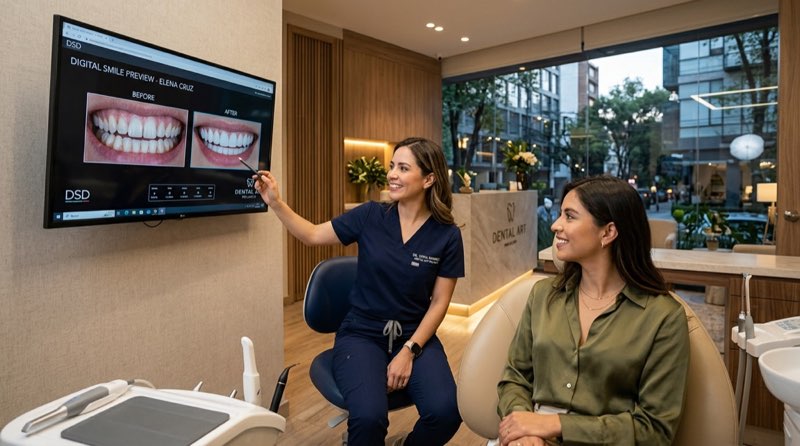
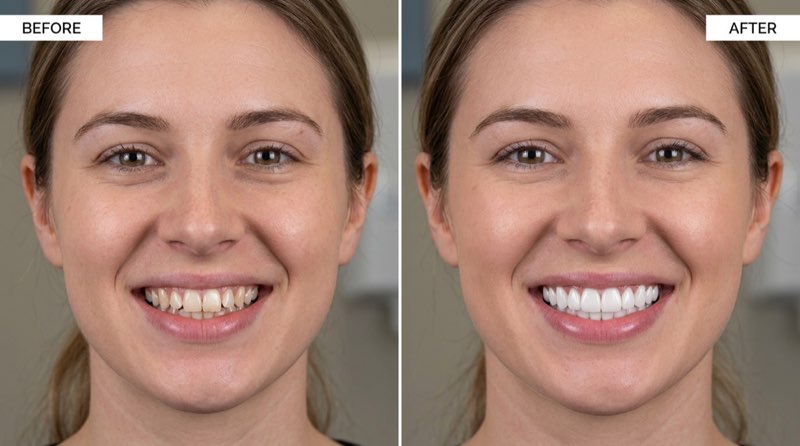
There is something many patients do not hear during an initial cosmetic consultation: a digital simulation is a planning aid, not a promise. Later in this article, that distinction will explain why a careful diagnosis protects both appearance and long-term oral health.
What most dentists do not tell you about real dental results
The truth is that healthy gums come before cosmetic treatment. Veneers should not be placed when gums are inflamed, when there are cavities, or when a poor bite or misalignment has not been addressed. Inflamed gums can bleed and change shape, so the final margin of a veneer may not remain predictable.
A useful comparison is a hangnail: when tissue is constantly invaded or irritated, it becomes sore, swollen, and prone to bleeding. In dentistry, a restoration placed too deeply into the gum area may create a similar cycle of inflammation. What matters is not only the visible tooth; it is the relationship between the restoration, the gum, and the bite.
Natural-looking dentistry also has limits. Teeth should not look square or artificial like Adams chewing gum. Healthy smiles have small curves, texture, translucency, and variation. The key is designing teeth that fit the person’s face and existing anatomy rather than copying a single social-media template.
For patients considering smile design treatment, a written plan should explain the diagnosis, alternatives, material, risks, maintenance, and who will perform each stage. Ask what will be measured after treatment. That closes the earlier point: a simulation helps visualize options, but clinical examination and records determine whether a plan is appropriate.
Dental treatment in Polanco, CDMX: how to assess the plan
In Polanco, CDMX, patients can ask for a diagnosis that includes photographs, relevant imaging, and a discussion of conservative alternatives. Before an irreversible procedure, it is reasonable to ask for time to reflect or seek a second opinion. No promotion or digital preview should replace periodontal, restorative, and bite evaluation.
For implants, published research may report high survival in selected groups, but those figures cannot be automatically assigned to a particular clinic or patient. One 2024 study reported 98.3% implant survival at approximately 13 months, which is short-term follow-up and not a guarantee of an individual outcome. Read the study abstract.
What happens if a patient skips gum treatment before aesthetics? The result may become harder to maintain, and inflammation can affect comfort and appearance. How do you know if you need treatment first? Bleeding during brushing, bad breath, recession, mobility, sensitivity, visible cavities, or pain are reasons to request an assessment. Facial swelling, fever, persistent spontaneous pain, or trouble swallowing needs prompt dental attention.
For visitors planning dental tourism in CDMX, the practical question is whether enough time has been reserved for diagnosis, treatment, adjustments, and follow-up. A fast trip may suit some procedures, but it does not change biological healing or the need for maintenance. That is the exception mentioned earlier: even a well-planned digital case may need more time when gum health, healing, or bite changes require it.
Our clinical experience: real cases
Public information provided for this article does not document individual patient cases, outcomes, or follow-up data attributable to Clínica DrDiente Polanco. For that reason, no anonymous patient story is presented here as a real case. Photos and reviews can be useful conversation starters, but they do not replace diagnosis, treatment records, or measured follow-up.
Here are hypothetical examples only. A hypothetical 34-year-old patient requesting veneers may first need cavity treatment and gum stabilization before any cosmetic planning. A hypothetical patient with crowding and a poor bite may be better served by invisible aligners before considering veneers. A hypothetical implant patient may need 3D imaging and an evaluation of bone, gum health, and bite before selecting a restoration.
Patients who want to review documented visual examples can visit the DrDiente real case gallery and ask which diagnosis, procedure, material, maintenance protocol, and follow-up period apply to each example. What nobody tells you is that a photo alone cannot show gum probing, bone levels, bite stability, or whether a restoration needed repair later.
Questions I receive frequently about real dental results
Is it normal for gums to bleed before cosmetic dental work?
No. Bleeding can be a sign of inflammation and should be evaluated before veneers or other elective cosmetic work. Healthy gums should be stable and coral-pink; treatment depends on the cause of the bleeding.
Does a veneer procedure hurt?
The short answer is: it depends on the procedure, tooth sensitivity, and the amount of preparation required. Patients should receive an explanation of comfort measures, alternatives, and expected recovery before treatment begins.
How long does it take to get a natural smile result?
It depends on gum health, cavities, bite alignment, the chosen material, laboratory planning, and whether orthodontic treatment is needed first. There is no one timeline that is responsible for every patient.
Is a dental implant worth it?
For some people, an implant can be a useful way to replace a missing tooth. Whether it is worth it depends on bone, gum health, health history, bite forces, maintenance, and alternatives such as a bridge or removable option.
Where can I receive dental care in the Polanco area?
Clínica DrDiente Polanco is located at Av. Presidente Masaryk 83, Polanco V Secc., Miguel Hidalgo, CDMX. Patients can request an appointment through the Polanco contact page and ask for a written diagnosis and treatment discussion.
In practice, good questions make a safer decision: Who will perform each step? What is the conservative alternative? What indicators will confirm success? How often is maintenance needed? That closes this article’s final open loop: confidence should come from transparent planning and follow-up, not from a perfect-looking image alone.
What technology does DrDiente use for treatment planning?
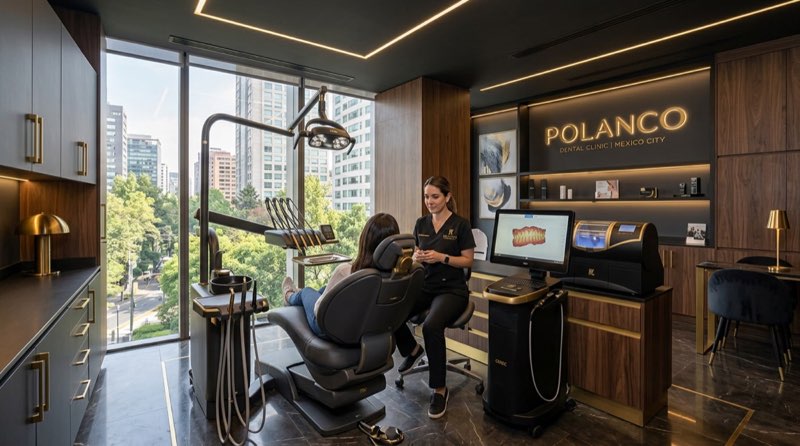
Clínica DrDiente describes digital planning tools such as intraoral scanning, 3D tomography when clinically justified, a photographic protocol, and digital laboratory planning. These tools can help record starting conditions and discuss options, but technology does not replace a clinical examination.
For selected veneer plans, tooth preparation may be minimally invasive and calibrated between 0.3 and 0.5 mm through laboratory planning. Whether any preparation is appropriate depends on tooth position, enamel, bite, gum health, and the desired result. Rounded preparation angles can help avoid stress points; a clinician should explain why any tooth reduction is proposed.
For whitening, stronger peroxide protocols can produce more color change but may also increase short-term sensitivity. A randomized trial of 140 participants reported sensitivity in 74% of the higher-concentration group versus 44% in the lower-concentration group. Review the study abstract. Honest planning includes discussing this tradeoff.
Schedule with the DrDiente team
If you want a second opinion or want to start treatment, schedule a visit with the DrDiente team in Polanco. Bring prior X-rays or records if available, ask for the diagnosis in writing, and make sure you understand the options before choosing an irreversible procedure.

Information from Clínica DrDiente
Aesthetic Dentistry & Oral Rehabilitation · COFEPRIS 2409132002A00145
This content is informational and is not a substitute for professional dental advice. Book an assessment for a personalized diagnosis.