What's included in All-on-4 vs traditional implants at Clínica DrDiente?
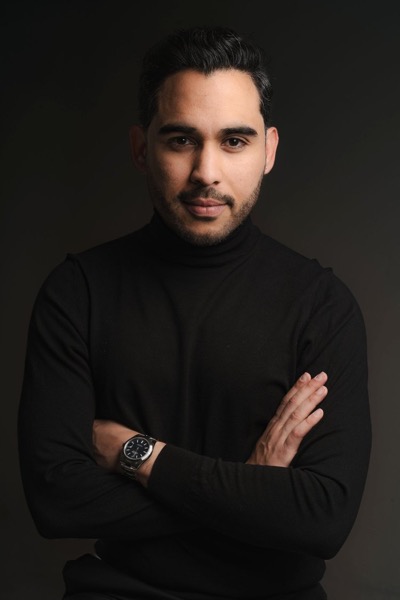
I'm Dr. Carlos Ariza, and after 15 years placing implants in Clínica DrDiente here in CDMX, this is probably the question I get asked the most: All-on-4 or traditional implants, one by one? The short answer is that both restore a full arch, but the path to get there is completely different. All-on-4 gives you a fixed provisional bridge in 24-48 hours using just 4 implants, while traditional implants (usually 6 to 8 per arch) take 3 to 6 months of healing before we even touch the final prosthesis.
There isn't one answer that fits everyone here. What matters is your bone volume, how many teeth you're missing, and honestly, how soon you need to be functional again. I'll walk you through the real numbers, who's a candidate for each, and something most clinics don't tell you upfront about long-term maintenance costs.
How much does All-on-4 vs traditional implants cost in CDMX? — Real 2026 prices
Let's talk numbers, because vague pricing is where most patients get frustrated. In CDMX, All-on-4 per arch runs $120,000–$220,000 MXN, and that typically includes the implants, surgery, and the provisional prosthesis. Traditional implants are priced per unit: expect $18,000–$35,000 MXN per implant plus crown, and a full-arch rehabilitation with 6-8 implants can land between $250,000-$400,000 MXN once you add the final restoration.
Here's what nobody mentions in the initial quote: if you need a bone graft, that's another $8,000–$25,000 MXN per site, and traditional implants need grafting far more often than All-on-4 because the angled posterior implants in All-on-4 dodge the areas where bone has usually resorbed. I always tell patients to ask if the quote includes the first 12 months of adjustments, because that's where surprise costs hide.
At Clínica DrDiente we do an evaluation before any number gets thrown at you, plus we offer payment plans. I'd rather give you an honest range upfront than a "starting at" price that balloons later.
How do I know if I'm an ideal candidate?
Is it normal to qualify for one but not the other? Yes, actually, that's the rule rather than the exception. In my practice, here's roughly how I sort it out:
- Low bone density in the posterior jaw (common after years of missing teeth): All-on-4 is usually the better fit since it uses angled implants that anchor into denser anterior bone.
- Healthy bone volume throughout the arch: traditional implants give you more individual support per tooth, which some patients prefer long term.
- Need for a fast fix (wedding, job interview, or you're simply done wearing a removable denture): All-on-4's 24-48 hour turnaround wins here.
- Heavy bruxism (teeth grinding): this needs a real conversation, since concentrating force on just 4 implants can mean more prosthetic wear. I sometimes recommend All-on-6 instead, which distributes the bite load better.
What nobody tells you at the first consult is that both techniques actually show comparable survival rates, 94-98% at 10 years for All-on-4 and 95-97% for traditional implants. So the decision isn't really about which one "works better," it's about which one fits your bone, your timeline, and your budget.
Step-by-step process at DrDiente
I know the unknown is scarier than the procedure itself, so here's what actually happens, step by step:
- Digital diagnosis: 3D CT scan (CBCT) plus intraoral scanning. This is non-negotiable in my practice, no clinic should quote a final price without a tomography first because it's the only way to see your actual bone density and nerve position.
- Treatment planning: we design the implant placement virtually using our in-house digital lab, calibrating exactly where each implant goes before we ever touch you.
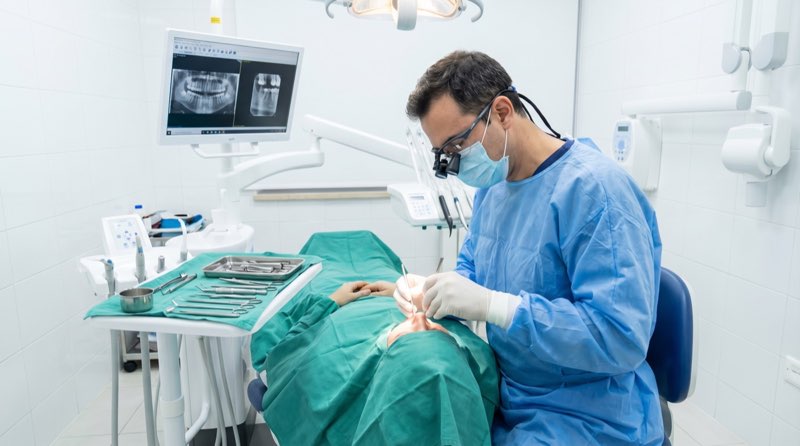
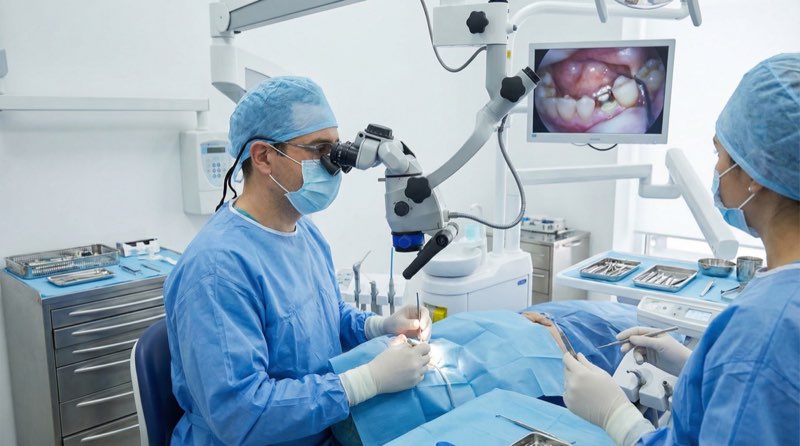
- Surgery day: for All-on-4, we place the 4 implants (2 straight in front, 2 angled in back) and attach a provisional fixed bridge the same day or within 48 hours. For traditional implants, we place each one and then we wait, usually 3-6 months, for osseointegration before loading them.
- Healing and final prosthesis: once everything has integrated (checked digitally, not by guesswork), we deliver the definitive prosthesis, zirconia or a hybrid acrylic-titanium bridge depending on your case.
One thing I'm strict about: adequate primary stability (a torque of at least 35 Ncm) is required before we load anything immediately. If that's not there, we wait, no exceptions, even if the patient is hoping for the "teeth in a day" promise.
Questions patients always ask me before booking
Does it hurt?
You're under local anesthesia (sometimes with sedation) during surgery, so no, you won't feel it happen. Afterward, expect swelling and mild soreness for 3-5 days, manageable with regular pain medication. It's less dramatic than most people picture.
How long does the whole process take?
All-on-4 gets you a functional fixed bridge in 24-48 hours, with the final prosthesis around 4-6 months later once healing is complete. Traditional implants take longer end-to-end, usually 6-12 months, since there's no immediate loading involved.
How long does the result last?
With proper care and checkups every 4-6 months, implants themselves can last decades. The prosthesis is a different story: acrylic hybrid bridges (common in All-on-4 provisionals) typically need replacement every 5-7 years, while zirconia final restorations last considerably longer. This maintenance cost should be part of your decision, not an afterthought.
Is there a warranty?
Yes, and I think this is something every patient should ask for in writing, not just verbally. We provide documentation on the implant brand, manufacturer warranty period, and coverage on the prosthesis itself. If a clinic won't put that on paper, that's a red flag.
Why do patients from all over CDMX choose DrDiente?
In my experience, patients don't choose a clinic because of one flashy feature, they choose it because every step is documented and explained honestly. At Clínica DrDiente, with locations in Roma Norte and Polanco, CDMX, we combine 3D tomography, digital planning, and our own in-house dental lab so your implant placement isn't a guess, it's calibrated.
We also see a fair number of patients coming through turismo dental CDMX, since implant costs here run 60-70% lower than in the US while using the same protocols and materials. Whatever route you're leaning toward, I'd rather show you real cases than just talk numbers.
Information from Clínica DrDiente
Aesthetic Dentistry & Oral Rehabilitation · COFEPRIS 2409132002A00145
This content is informational and is not a substitute for professional dental advice. Book an assessment for a personalized diagnosis.