What Does All-on-4 vs Traditional Dental Implants Include at Clínica DrDiente?
I get this question more than almost any other. Patients walk into Clínica DrDiente having lost multiple teeth — sometimes all of them — and they genuinely don't know which direction makes sense. The short answer: both work, but they solve very different problems. All-on-4 replaces a full arch using exactly four implants, with a fixed prosthesis delivered the same day. Traditional implants replace individual teeth one at a time, each anchored by its own titanium post. As Dr. Carlos Ariza, with 15 years of clinical experience in implantology and full-arch rehabilitation, I personally evaluate every case before recommending either option.
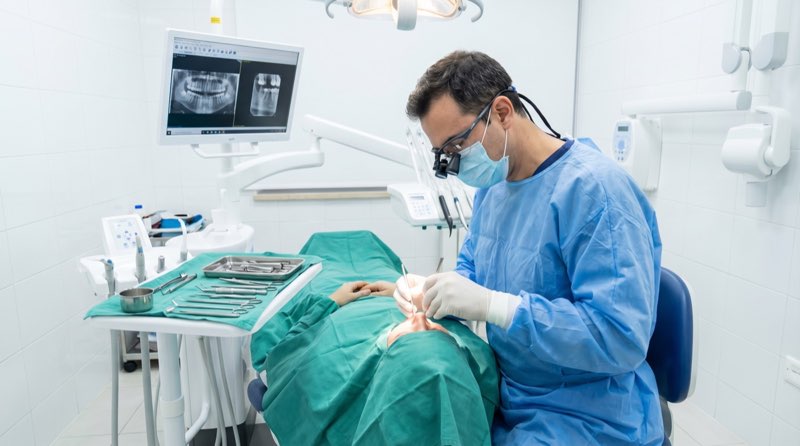
What you actually receive at our Roma Norte and Polanco, CDMX clinics is a complete digital diagnostic protocol: 3D CBCT tomography, intraoral digital scan, full photographic protocol, and a surgical and prosthetic plan designed entirely in our in-house dental lab. Nothing is outsourced. That detail matters more than most patients think — and I'll explain exactly why in the process section below.
There's something most dentists don't mention in the first consultation: the implant itself is only half of the decision. The prosthesis material — acrylic, monolithic zirconia, or hybrid — changes the total cost, the aesthetics, and how long the result actually holds up. I'll break this down with real numbers right now.
How Much Do Dental Implants Cost in CDMX? — Real Prices 2026
To be honest, the "call us for a quote" approach frustrates me as much as it frustrates patients. Here are real numbers for reputable clinics in Mexico City in 2026:
- All-on-4 (one arch, acrylic prosthesis): $80,000–$150,000 MXN ($4,000–$7,500 USD)
- All-on-4 (monolithic zirconia prosthesis): $150,000–$250,000 MXN ($7,500–$12,500 USD)
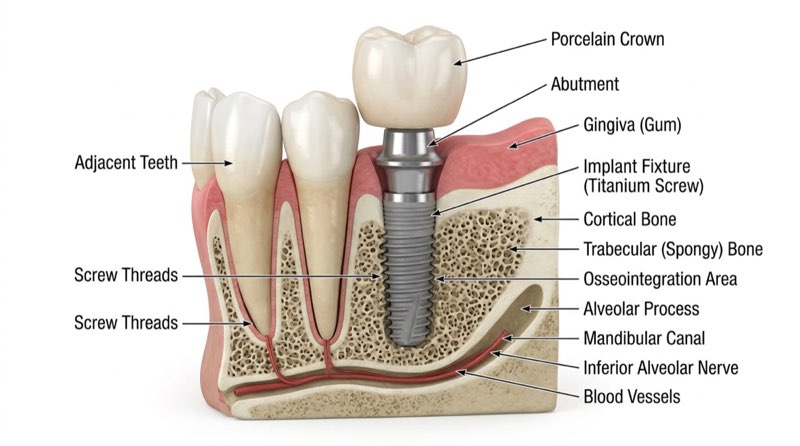
- Single implant + crown: $18,000–$35,000 MXN ($900–$1,750 USD)
- Full arch with 6–8 individual implants: $200,000–$450,000 MXN ($10,000–$22,500 USD)
If a clinic quotes you All-on-4 for under $60,000 MXN, ask specific questions before you commit: Which implant system? What is the prosthetic design protocol? What happens if an implant fails? At DrDiente we offer an evaluation and flexible payment plans, with all costs documented in writing before anything is scheduled.
For patients traveling from the US or Canada for turismo dental CDMX, the math changes significantly — you're typically saving 60–70% compared to North American prices, even after flights and accommodation. That is a real figure, not a marketing number. Now that you have the pricing context, there's an important exception you need to understand if you're going the dental tourism route: most complications in All-on-4 packages don't happen during surgery — they happen during the prosthetic phase. I'll close this loop completely when I walk you through the step-by-step process.
How Do I Know If I'm the Right Candidate?
This is the question that blocks most people from actually moving forward. Let me resolve it directly.
All-on-4 is likely for you if:
- You've lost most or all teeth in one or both arches
- You're wearing a removable denture and want something fixed
- You have moderate to severe bone resorption — All-on-4's angled posterior implants frequently bypass the need for bone grafts
- You want a fixed result in days, not months
It depends on your specific bone anatomy, but the angled implant design was developed precisely to work with resorbed bone. That's biomechanics, not a sales pitch. Traditional individual implantes dentales, on the other hand, remain the gold standard when you're missing one to four teeth, the remaining dentition is healthy, and bone volume is sufficient. Replacing each tooth individually in that scenario gives you the most conservative, long-term result.
Here's what catches most patients off guard: a 3D CBCT scan is not optional — it is the foundation of the entire treatment decision. In my consultations, I've seen patients certain they needed All-on-4, and the tomography revealed enough quality bone for individual implants at a fraction of the cost. The reverse happens too. Patients who make decisions based solely on price lists or before/after photos without proper imaging almost always end up needing revision work later. Not a scare tactic. Just what fifteen years in the chair teaches you.
One non-negotiable: if you have active gum disease, uncontrolled diabetes, or are a heavy smoker without a cessation plan, neither procedure should move forward until those conditions are addressed. I will delay treatment if that's what clinical reality calls for. Health before aesthetics. Always.
Step-by-Step Process at DrDiente
Fear of the unknown is the number one reason patients postpone this decision for years. Let me walk you through exactly what happens.
Step 1 — Digital evaluation: You come in. We take an intraoral digital scan and 3D CBCT tomography. I personally review bone volume, nerve position, sinus anatomy, and the condition of any remaining teeth. The appointment takes about 45 minutes. You leave with a clear picture of your options and a personalized treatment plan — no pressure, no sales pitch.
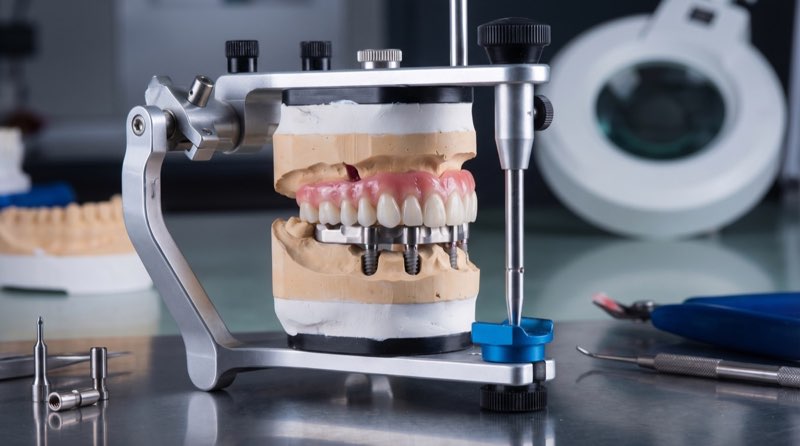
Step 2 — Digital prosthetic planning: Using our in-house CAD/CAM lab, we design your prosthesis digitally before a single incision is made. For All-on-4, the entire arch — angulation, occlusion, proportions, smile design — is finalized on screen before surgery day. The prótesis híbrida is planned to your exact facial anatomy and bite at this stage.
Step 3 — Surgery day: For All-on-4: extraction of any remaining teeth if needed, placement of all four implants, and delivery of the provisional fixed prosthesis. You leave the clinic with a fixed set of teeth. Same day. For traditional implants: placement of the titanium post, suturing, and a healing period of 3–6 months before the definitive crown is placed. Both procedures are done under local anesthesia with oral sedation available for anxious patients.
Step 4 — Final prosthesis delivery (All-on-4): Four to six months after surgery, once osseointegration is confirmed with follow-up tomography, the definitive prosthesis is placed. This is where precision separates a natural-looking result from something that looks artificial — teeth should never be square like chiclets. They need curves, surface texture, and gradation. That calibration happens in our lab, not elsewhere.
Now let me close the loop on dental tourism: the risk in many package deals is not the surgical phase — it's that the definitive prosthesis gets outsourced to a lab the surgeon has never worked with, built to generic specifications. At DrDiente, both phases are handled by the same team, in the same in-house lab, following the same digital plan from day one. That's the difference between a result that holds up for fifteen years and one that needs revision at year three.
Questions I Always Get Asked Before Booking
Does All-on-4 surgery hurt?
The short answer is: not during the procedure. Surgery is performed under local anesthesia with optional oral sedation. Post-operative discomfort typically lasts 3–5 days and is managed with standard anti-inflammatory medication. The vast majority of my patients tell me it was far less uncomfortable than they had imagined — and that waiting was harder than the surgery itself.
How long does All-on-4 actually last?
The implants, with proper maintenance, have a clinically documented survival rate above 94% at 10 years. The prosthesis lifespan depends on material: acrylic typically needs replacement at 5–8 years; monolithic zirconia can last 15–20 years with adequate oral care. The key is professional cleaning every 6 months with specialized implant instruments — peri-implantitis affects roughly 22% of implants at 10 years when maintenance is neglected. That statistic is not about the implant failing; it's about what happens when hygiene protocols are ignored.
Is a fixed solution really worth it versus a removable denture?
In my experience: for patients who've worn a removable denture for more than two years, the quality-of-life difference with fixed implants is not incremental — it's a different life. Eating without restriction, speaking without self-consciousness, laughing without thinking about it. That said, a denture is a valid, appropriate option when health or financial constraints make implants unviable right now. I won't push you toward treatment you're not ready for. What I will do is give you the full clinical picture so you can decide from accurate information.
Does DrDiente offer a warranty? What if an implant fails?
Yes — in writing, before you sign anything. We offer a written 5-year guarantee on all implants placed at our clinics. Prosthesis warranty: 1 year for provisional acrylic restorations, 2 years for the definitive prosthesis. If an implant fails within the guarantee period, it is replaced at no additional cost. The terms are explicit, not buried in fine print.
Why Patients From All Over CDMX Choose DrDiente
There are hundreds of dental clinics in Mexico City. Here's what I can tell you without the marketing language.
I'm Dr. Carlos Ariza. I have 15 years of clinical experience in implantology, full-arch rehabilitation, and aesthetic dentistry. Every case at our Roma Norte and Polanco, CDMX locations is evaluated and treated personally by me — you won't find yourself handed off to a junior clinician after the consultation. Our clinics run on vanguard technology: 3D CBCT tomography, intraoral digital scanning, and in-house CAD/CAM prosthetic design — the same infrastructure used in top implantology centers in Europe, available in CDMX.
Beyond implants, the same digital planning system drives our smile design and invisible orthodontics work. If you're considering a comprehensive rehabilitation — restoring function and completely transforming your smile — the diagnostic foundation is already in place from your first visit. We have documented hundreds of real cases, every one available to review before you decide anything.
In my experience, the patients who get the best long-term results are the ones who came in with questions and pushed back. What implant system? What's the prosthetic protocol? What happens if something goes wrong in year four? Those are the conversations I want to have with you in your evaluation. If you're also considering this as part of a dental tourism trip to CDMX, we have streamlined protocols for international patients — including remote consultation and expedited scheduling so your time in the city is used efficiently.
See real All-on-4 and implant cases — before and after Schedule my evaluation
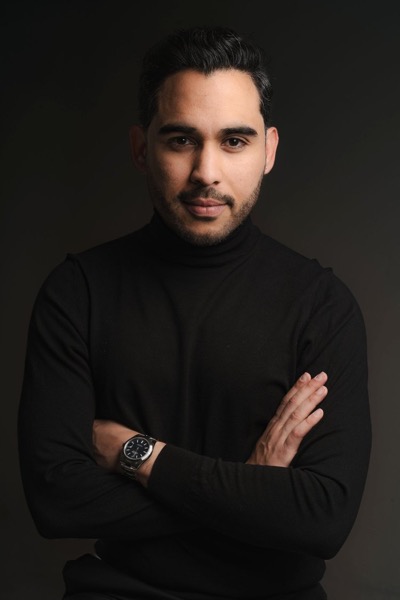
Information from Clínica DrDiente
Aesthetic Dentistry & Oral Rehabilitation · COFEPRIS 2409132002A00145
This content is informational and is not a substitute for professional dental advice. Book an assessment for a personalized diagnosis.