What Is a Cavity? — The Direct Answer
A cavity — clinically called dental caries — is the permanent destruction of your tooth's hard tissues by acid-producing bacteria that feed on sugars in your mouth. According to the WHO, cavities affect over 2.3 billion people worldwide, making this the most prevalent chronic disease on the planet. At Clínica DrDiente in CDMX, I see patients at every stage: from a barely visible white spot to an infection that has already reached the nerve. The key point is simple — the earlier it's caught, the simpler and less expensive the fix.
What most people don't realize is that cavities are largely preventable. In practice, not just in theory. But there's one thing about prevention that most dentists don't clearly explain in the first visit. It has to do with how often you expose your teeth to sugar — not how much you eat. That distinction changes everything about your prevention strategy. I'll get to it in a moment.
Why Does This Matter for Your Dental Health?
A tooth has layers. Enamel on the outside, dentin underneath, and at the center the pulp — with its nerves and blood supply. Each layer has a different pain threshold and treatment complexity. When decay is limited to enamel, the fix is a small filling: one appointment, painless with anesthesia, tooth preserved almost entirely. When it reaches dentin, sensitivity starts and the process accelerates — dentin is more porous and less acid-resistant. When it reaches the pulp: root canal or extraction territory.
Cavities are the leading cause of tooth loss in adults under 35 in Mexico City. Losing a tooth changes how you chew, how your jaw bone holds up, and eventually your overall bite. Replacing a lost tooth with an implant costs many times more than the filling that could have prevented the loss.
I've noticed a consistent pattern over my 15 years of practice as Dr. Carlos Ariza: patients who come in after pain starts are almost always past the simple-fix stage. Patients who come in for a routine check-up and happen to have a cavity? I catch it in enamel. The difference between those two situations is usually one skipped appointment. Six months.
How Cavities Form — The Step-by-Step Process
Think of your mouth as a balance. On one side: acid from bacteria. On the other: saliva, which neutralizes that acid and slowly rebuilds enamel minerals. When that balance tips too far toward acid — and stays there — the enamel starts to dissolve.
Four things must happen simultaneously for a cavity to form:
- A susceptible tooth — thin enamel, deep grooves, or reduced saliva flow
- Cariogenic bacteria — mainly Streptococcus mutans and Lactobacillus
- Fermentable sugars — sucrose, fructose, glucose
- Time — repeated acid exposure over weeks and months
Remove any one of those four, and the cavity either slows significantly or doesn't form. That's the practical foundation of prevention.
Stage 1 — White spot lesion. The enamel is losing minerals but the surface is still intact. This is reversible. With fluoride protocols and better hygiene, I've seen patients remineralize early lesions in 4-6 weeks. No drilling at this stage.
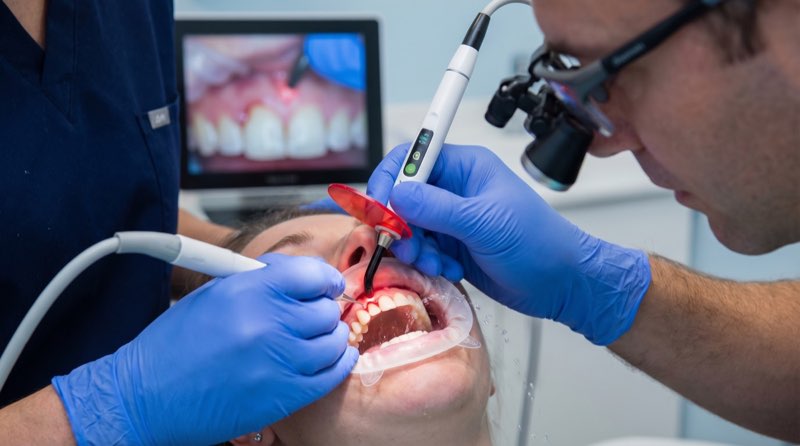
Stage 2 — Enamel cavity. The surface breaks. A filling is needed, but it's a small, fast procedure and the tooth is preserved almost entirely.
Stage 3 — Dentin involvement. Sensitivity starts. The process accelerates. Modern dentistry uses minimally invasive protocols — we remove only infected tissue, not healthy dentin. Regular professional cleanings are where this stage typically gets caught before it advances.
Stage 4 — Pulp compromise. Spontaneous pain, possible abscess. Root canal or extraction. The outcome we work every day to help patients avoid.
Now — about that sugar frequency issue. Every time you eat or drink something with fermentable sugars, your mouth drops below the critical pH of 5.5 for roughly 20-40 minutes. Then saliva recovers it. If you eat or drink sugary things 8-10 times a day — a sip of soda, a sweetened coffee, some juice — your mouth is in acid mode almost constantly. Reducing sugar frequency to 4 exposures per day or fewer protects your teeth more than cutting the total quantity. A small candy every 30 minutes is far more damaging than a full dessert once after dinner. Frequency, not quantity. This is what I explain to every patient.
There's also a Mexico City-specific factor that makes your toothpaste more critical here than in most of North America. I'll cover it in the FAQ section below.
Frequently Asked Questions — What People Ask About Cavities
Does getting a cavity filled hurt?
The short answer is no — not during the procedure. With local anesthesia, you'll feel pressure but not pain. Some mild sensitivity in the first 24-48 hours after is normal, especially if the cavity was close to the nerve. If that sensitivity intensifies or lasts more than a week, call us. The fear of the procedure is almost always worse than the procedure itself.
How much does a cavity filling cost in CDMX?
It depends on the size, location, and material. Composite resin fillings — tooth-colored, the current clinical standard — are the most common choice. For patients coming from the US or Canada through our dental tourism program in CDMX, the same clinical quality costs a fraction of what it does at home. The real number to consider: a small filling today versus a root canal, crown, or implant later. That difference is substantial.
How long does a filling last?
A well-placed composite resin filling lasts 7 to 12 years on average, sometimes longer with good hygiene and regular check-ups. Ceramic inlays and onlays can last 15-20 years. The material matters — but so does technique. Proper isolation, adhesion protocol, and bite adjustment all extend the lifespan of a restoration considerably.
Is a cavity urgent to treat?
It depends on the stage. A small enamel cavity is time-sensitive but not a same-day emergency — though leaving it alone will eventually make it one. Spontaneous throbbing pain, swelling in the gum or jaw, or fever combined with dental pain: those are urgent. Same-day attention urgent.
Does dental insurance cover cavity fillings in Mexico?
Most private dental insurance plans in Mexico cover basic restorations at least partially. IMSS and ISSSTE also include basic dental coverage, though public clinic wait times can be long. At Clínica DrDiente, we work with several insurance providers — worth confirming your specific plan before scheduling.
Is it normal to feel sensitivity after a filling?
Yes, for the first few days — that's a normal nerve response to the procedure. What's not normal: pain that intensifies after the first week, pain that wakes you up at night, a filling that feels too high when you close your teeth, or sensitivity spreading to neighboring teeth. Any of those deserve a follow-up.
How do I know if I have a cavity without going to the dentist?
Honestly — often you can't, especially early on. Cavities that form between teeth are invisible to the naked eye and only detectable on X-rays. Possible signs: a visible dark spot, food consistently catching in one area, or sensitivity to cold or sweets. But by the time you feel consistent pain, the cavity has usually already reached dentin. The most reliable detection method is a clinical exam plus bitewing X-rays every 12 months. That's why check-ups matter even when nothing hurts.
Now — about that CDMX-specific factor. The tap water in Mexico City is not systematically fluoridated at the municipal level, unlike in the US, Canada, or Brazil, where water fluoridation reduces cavity incidence by 40-60% (Cochrane data). Most residents here use bottled water, which also has very low fluoride content. This means the fluoride in your toothpaste is carrying significantly more of the preventive load in CDMX than it would elsewhere. For adults, I recommend a paste with at least 1,000-1,450 ppm fluoride. Professional fluoride varnish during your check-up visits also matters more here than most patients realize — it's not just a nice-to-have, it's a real preventive intervention. Combined with Mexico's historically high soft drink consumption, the cavity risk environment in this city is something to take seriously. You don't need to be alarmed — you need to be informed and consistent.
What You Should Know Before Your First Consultation
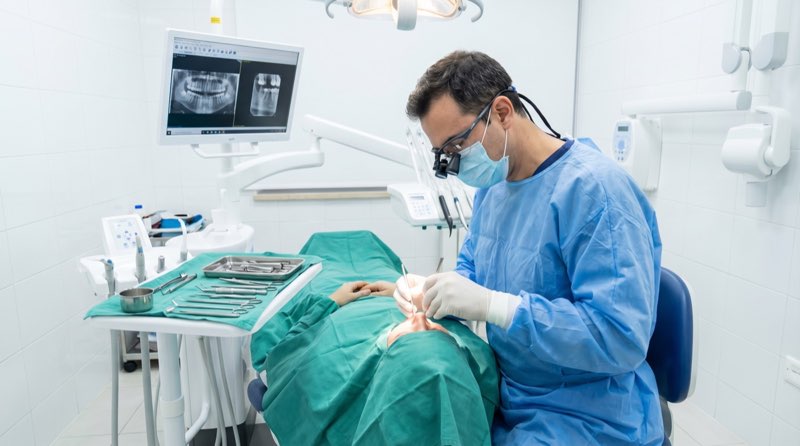
- Bring previous X-rays if you have them. Saves time and avoids unnecessary radiation. Digital X-rays at Clínica DrDiente are low-dose and viewable on-screen during the appointment.
- Be honest about your daily habits. Snacking frequency, sweetened drinks, dry mouth, night grinding — all of this directly changes the diagnosis and prevention plan.
- Don't wait for pain. By the time a cavity reliably hurts, it has almost always progressed beyond enamel. The window for simple treatment is open before symptoms start.
- Ask about your full mouth, not just the painful tooth. Multiple cavities in an adult almost always reflect a pattern — diet, bacterial load, or hygiene technique — that needs to be addressed at the source.
Something I ask every patient who walks in with multiple new cavities: "Walk me through a typical day of eating and drinking." Nine times out of ten, I find consistent high-frequency sugar exposure — juice in the morning, sweetened coffee at 10, a soda at lunch, an afternoon snack, something sweet in the evening. That pattern is what we address first. Treating the cavities without changing the habit is like mopping the floor while the faucet is still running.
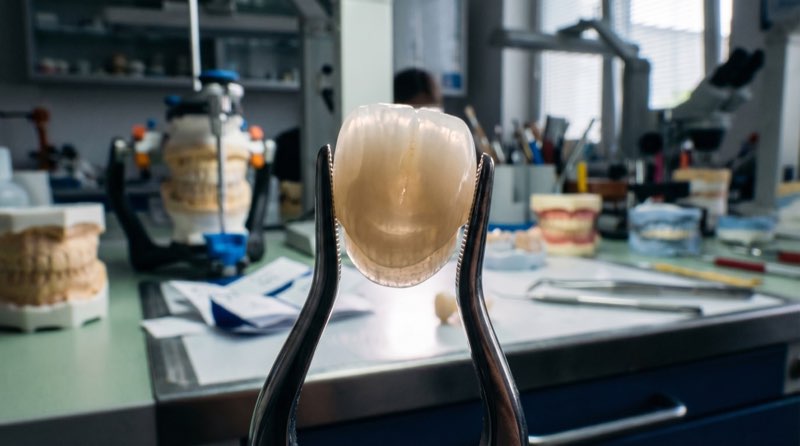
At Clínica DrDiente in Roma Norte and Polanco, our diagnostic process goes beyond a visual exam. We use intraoral 3D scanning, CT tomography when indicated, and a full photographic protocol before recommending any treatment. We have an in-house digital laboratory, so planning is precise and personalized. The same infrastructure that makes complex smile design procedures predictable is what makes a thorough cavity diagnosis accurate.
When Is It Urgent to See a Dentist?
Spontaneous, throbbing tooth pain that begins without any trigger — not just sensitivity when drinking cold water, but pain that starts on its own. That typically means nerve involvement and won't resolve without treatment.
Swelling in the gum, cheek, or jaw. A dental abscess is an active infection. It will not resolve on its own. Antibiotics reduce acute symptoms temporarily, but they don't eliminate the source — the infected tooth needs clinical treatment.
Fever alongside dental pain. When an oral infection starts affecting your systemic health, that's a different level of urgency. Go in that day.
A tooth that suddenly feels loose without any trauma. Advanced internal decay can compromise a tooth's structure from the inside out with no obvious external signs.
In my experience, the patients who end up with the most complex and expensive treatments are almost never those who came in too early. They're the ones who waited months after noticing something — a sensitivity here, a dark spot there — thinking it would resolve on its own. Teeth don't heal themselves past a certain threshold. The window for simple treatment is real. And it closes.
What most dentists don't explain clearly in the first appointment: if you notice a chalky white area on your tooth surface that doesn't scrape off, that is a white spot lesion — early desmineralization with an intact surface. At that point, the process is still reversible. Once the surface breaks, that option is gone. That visit — before anything hurts — is the most valuable one you can schedule.
Why Choose Clínica DrDiente in CDMX?
I'm Dr. Carlos Ariza, and I've been practicing dentistry in Mexico City for 15 years, with clinics in Roma Norte and Polanco. The technology we use — intraoral scanning, 3D CT tomography, digital treatment planning, and our own in-house laboratory — isn't reserved for complex cases. It applies to every patient who walks in, including those coming in for a routine cavity check. That diagnostic depth changes what we catch and how precisely we plan treatment.
We treat patients from across CDMX and from abroad through our dental tourism program, because the combination of clinical quality and accessibility here in Mexico is genuinely difficult to match at this price point outside the country. Whether you need a filling, invisible aligners, or a full oral rehabilitation, the starting point is always the same: a complete, honest diagnosis — not a rushed visual exam.
The patients most satisfied with their dental care are not necessarily those who got the fastest treatment. They're the ones who understood exactly what was happening in their mouths before anything was done. That's what the first consultation is designed to deliver.
Schedule my consultation
Information from Clínica DrDiente
Aesthetic Dentistry & Oral Rehabilitation · COFEPRIS 2409132002A00145
This content is informational and is not a substitute for professional dental advice. Book an assessment for a personalized diagnosis.