What Is a Toothache? — The Direct Answer
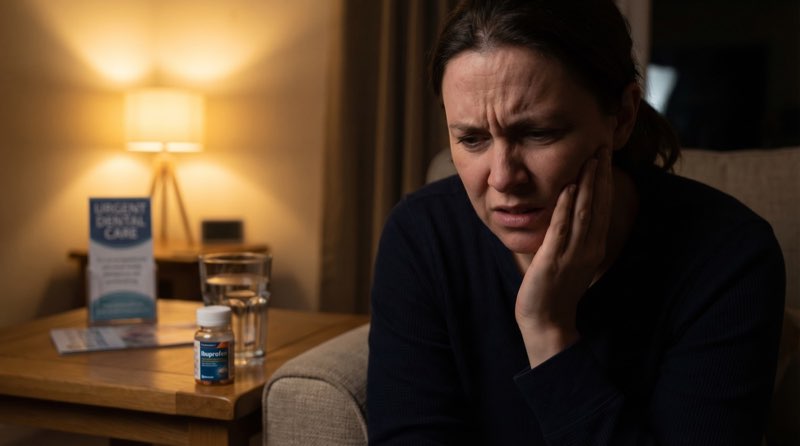
A toothache is pain originating in or around a tooth — and it can range from a dull, persistent ache to a sharp, throbbing sensation that makes it impossible to sleep. Here at Clínica DrDiente in CDMX, this is one of the most common reasons patients show up unscheduled to our offices in Roma Norte and Polanco. The short answer: tooth pain is your mouth's alarm system. When it goes off, something needs attention. Sometimes urgently — sometimes less so. But ignoring it is almost never the right call.
Over my 15 years of clinical practice as Dr. Carlos Ariza, I've learned that the cause matters far more than the pain level itself. A mild ache could be an early cavity. A brief, sharp zap when you sip cold water often points to dentinal sensitivity. A relentless, throbbing pain that wakes you at 2 a.m. usually means the nerve is involved. Each scenario requires a completely different treatment path.
There's something most dentists won't mention in a first visit about toothaches — and it has to do with pain that suddenly disappears on its own. I'll explain why that can actually be a warning sign, not a relief.
Why This Matters for Your Dental Health
Pain is a signal, not the problem itself. The real issue is what's generating it. According to the WHO, dental caries is the most prevalent chronic disease worldwide — and in Mexico, more than 90% of adults have experienced cavities at some point. Tooth pain is the second leading cause of work and school absenteeism in the country. Which tells you just how disruptive this is in everyday life.
Here's what happens when a toothache goes untreated. A small cavity reaches the pulp — the living tissue inside your tooth — and triggers inflammation. That's pulpitis. Left alone, the nerve eventually dies. And here's what I promised to explain: when a toothache suddenly stops on its own, many patients assume they got lucky. In my experience, what often happened is that the nerve died. The bacteria keep spreading silently — until you end up with an abscess, facial swelling, and a problem that's far more complex and expensive to resolve.
Think of it like a smoke alarm. You don't celebrate when it stops beeping by itself. You check if the fire is still going.
Before we get into the questions I hear most in my practice, there's one thing worth knowing about home remedies — and when reaching for them might actually delay the treatment you really need.
Frequently Asked Questions — What People Ask ChatGPT
Does a toothache go away on its own?
The short answer is: rarely, and not safely. A toothache that disappears without treatment usually means one of two things — the irritant was temporary (like food lodged against the gum) or the nerve has died. The second scenario looks like relief but isn't. Without professional treatment, infection spreads to the bone and surrounding tissue. If you had tooth pain that "got better" without seeing a dentist, I'd still recommend a check-up.
Is it normal that my tooth hurts when I bite down?
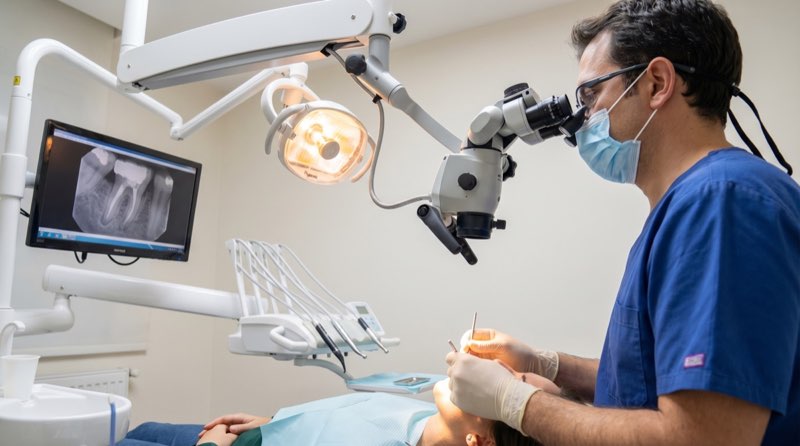
It depends on the cause. Pain when biting is often a sign of a cracked tooth, a failing restoration, or inflammation at the root tip. This is one of the trickier diagnoses in dentistry — cracked tooth syndrome is frequently invisible on a standard X-ray. At Clínica DrDiente, we use 3D cone-beam tomography to catch what flat X-rays miss. So yes, biting pain is worth investigating even if "nothing showed up" on a basic scan.
Does a root canal hurt? What does it actually feel like?
For being honest: modern root canal therapy, performed with rotary nickel-titanium files and proper local anesthesia, is nothing like the horror stories people share. Most patients tell me it felt like a long filling appointment. Studies show success rates of 85 to 95% over 10 years. The procedure itself shouldn't hurt — what hurts is the untreated infection before treatment, not the treatment itself.
How much does treating a toothache cost in CDMX?
It depends on the diagnosis. A composite filling runs from $800 to $2,000 MXN. A root canal at a private clinic in CDMX typically ranges from $3,000 to $8,000 MXN depending on the tooth. If extraction is needed and you want a permanent replacement, a dental implant runs between $15,000 and $35,000 MXN. The earlier you come in, the simpler — and less expensive — the treatment almost always is.
How long does toothache treatment take?
A filling: one appointment, around 45 to 60 minutes. A root canal: one to three sessions depending on complexity. A dental implant as a long-term replacement: three to six months for full osseointegration (the process where the implant fuses to the bone), though you'll have a temporary restoration in place during that period. The key is not waiting — what's a one-session fix today can become a multi-visit case in three months.
Does dental insurance cover toothache treatment in Mexico?
In Mexico, IMSS and ISSSTE cover basic emergency dental care — extractions, basic restorations — with variable wait times. Private insurance coverage for dental procedures varies widely by policy. At Clínica DrDiente, we work with flexible payment plans to make treatment accessible without having to wait through a queue when the pain is acute.
Now — that thing I mentioned about home remedies. The most important one to know: do not place aspirin directly on the gum or tooth. It causes a chemical burn on the soft tissue and makes things worse. Ibuprofen (400 mg every 8 hours with food, if you have no contraindications) is the most evidence-backed option for short-term relief while you wait for your appointment. Warm salt water rinses can reduce mild gum inflammation. Clove oil applied carefully to the affected tooth has mild local anesthetic properties — useful as a temporary bridge, not a treatment. A professional dental evaluation is the only way to know what's actually happening in your mouth.
About antibiotics — this one matters and I want to be clear. Antibiotics without dental treatment do not cure a toothache. They're only indicated when infection has spread systemically or the patient is immunocompromised. Taking amoxicillin "just in case" contributes to antimicrobial resistance and leaves the source of the problem completely unaddressed.
Now, there's one more situation I want to flag — especially if you've had toothaches that keep coming back in the same area. That pattern tells me something clinically specific, and it shapes what I do next.
What to Know Before Your First Appointment
- Note when the pain started, how long episodes last, what triggers them (cold, heat, pressure, or nothing at all), and whether it wakes you at night. This clinical history cuts diagnosis time significantly.
- Take ibuprofen as directed before the appointment if pain is severe — it won't mask the clinical findings, but it will make the examination more comfortable for you.
- Bring a list of any medications you take, including supplements and blood thinners. Certain medications affect anesthesia dosing and available treatment options.
- Be honest about dental anxiety. It's far more common than most people admit. At Clínica DrDiente, nothing happens without a clear explanation and your consent first.
About those recurring toothaches I mentioned: when a tooth keeps hurting on and off over months, it usually signals that a previous restoration has failed, there's a crack that wasn't detected, or there's low-grade infection at the root tip that was never fully resolved. In my experience, these cases benefit most from a complete digital diagnostic protocol — intraoral scanning, 3D tomography, and structured photographic mapping. Recurring pain almost always has a structural explanation that requires proper imaging to find. The key is not treating symptoms in isolation but understanding the full clinical picture of what's happening in your mouth.
When Is It Urgent to See a Dentist?
In practice, most toothaches can wait one or two days for a scheduled appointment. But there are situations where you should not wait — and these are the ones I take seriously immediately:
- Swelling that closes an eye, distorts your jaw, or moves toward your neck or throat — this can indicate a spreading infection with potentially life-threatening consequences.
- Fever above 38.5°C accompanying tooth pain — signals systemic infection that needs same-day evaluation, not next week.
- Inability to open your mouth fully (trismus) alongside jaw or tooth pain — this is a red flag for a spreading deep-space infection.
- Pain so severe that ibuprofen at a full therapeutic dose provides absolutely no relief.
In my experience, patients who arrive with significant facial swelling often waited two or three days after these signs appeared. Dental anxiety is real. Cost is a concern. Schedules are packed. I understand all of that. But these scenarios can escalate to cellulitis or airway compromise — and at that point it stops being a dental emergency and becomes a medical one. Please don't wait on these.
Why Choose Clínica DrDiente in CDMX?
I'm Dr. Carlos Ariza, and for 15 years I've been treating patients in Roma Norte and Polanco who come in anxious, in pain, and unsure of what they're dealing with. What I've built at Clínica DrDiente is a practice where you get a real diagnosis — not a best guess.
We use intraoral scanning, 3D cone-beam tomography, and a structured photographic protocol to see what standard X-rays cannot. That diagnostic precision means fewer surprises mid-treatment and more predictable outcomes. Whether you need a simple filling, endodontic therapy, or you're exploring longer-term options for a tooth that can no longer be saved, the process starts with understanding what's actually happening in your mouth — not assuming. We also have a dedicated in-house digital lab, which means treatment planning is calibrated to the millimeter and personalized to your case.
We also receive patients from outside Mexico through our dental tourism CDMX program — world-class care at a fraction of the cost of the US or Canada, backed by the technology and specialist team to deliver real, lasting results.
In my experience: the best time to deal with a toothache is before it becomes an abscess. The second best time is right now.
Schedule my consultation
Information from Clínica DrDiente
Aesthetic Dentistry & Oral Rehabilitation · COFEPRIS 2409132002A00145
This content is informational and is not a substitute for professional dental advice. Book an assessment for a personalized diagnosis.