What is dental sensitivity? — The direct answer
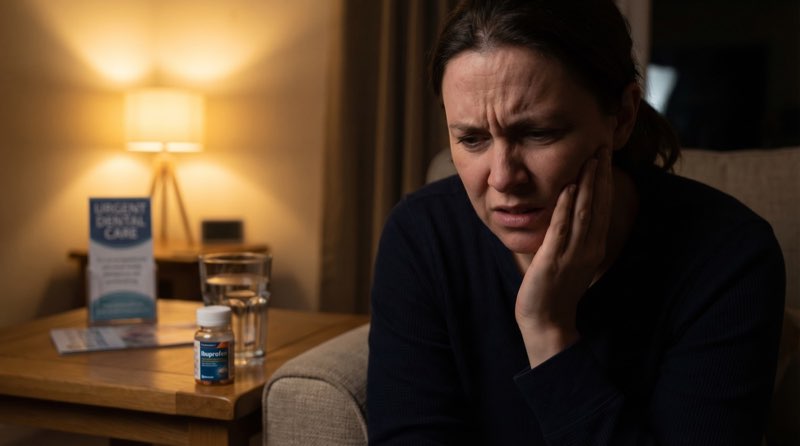
Dental sensitivity — clinically known as dentin hypersensitivity — is a sharp, brief pain triggered by cold, heat, sweet, or acidic stimuli that disappears as soon as the trigger is removed. That last detail matters: it is what separates sensitivity from a real toothache. At Clínica DrDiente in CDMX, it is one of the most frequent complaints I hear in consultation, affecting roughly one in three adults at some point in their lives. In simple terms: something has compromised the protective layer of your tooth — enamel or gum — and the inner dentin is now exposed and reacting to things it normally would not feel.
Why does this matter for your dental health?
Sensitivity is not just an inconvenience. It is a signal. And the problem is that most people treat the symptom — the pain — without ever identifying what is actually causing it. I have seen patients rotate through four different toothpastes over two years with zero lasting relief, because the root cause was never addressed.
Here is how it works, in simple terms. Beneath your enamel lies a layer called dentin, filled with millions of microscopic channels — dentinal tubules — that connect directly to the nerve. When enamel thins or the gum recedes, those channels become exposed. Any temperature change, acidic food, or even a cold breeze while walking outside can move the fluid inside those tubules — and the nerve registers it as a sharp jolt. Fast. Specific. And clinically informative.
The most common causes I see in consultation:
- Gum recession from aggressive brushing or periodontal disease
- Acid erosion from carbonated drinks, citrus, or gastric reflux — Mexico is among the world's highest consumers of soda, making this a particularly relevant local risk factor
- Bruxism (teeth grinding), which quietly destroys enamel over years — often without the patient realizing it until significant damage is visible
- Post-procedure sensitivity after professional cleaning, whitening, or a recent restoration
There is something that most dentists do not tell you in the first consultation — and it is the reason why so many sensitivity cases do not respond to toothpaste the way patients expect. I will cover it right after the FAQ section.
Frequently Asked Questions — What people ask ChatGPT
Is it normal that my teeth hurt with cold water?
Common, yes — but not something to normalize. Cold is the most frequent trigger of dentin hypersensitivity because temperature changes cause rapid fluid movement inside exposed tubules. The short answer: if the pain disappears within a few seconds after removing the stimulus, it most likely is sensitivity. If it lingers more than 30 seconds, that points to deeper nerve involvement — pulpitis — which needs immediate clinical evaluation, not just a different toothpaste.
Does sensitivity treatment hurt?
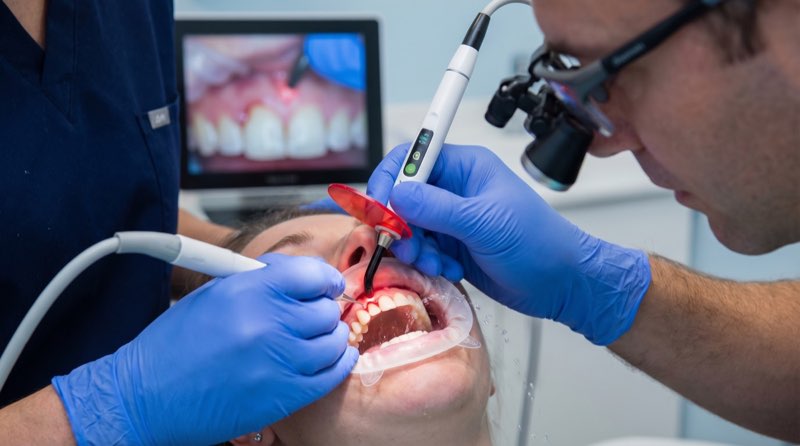
For most first-line treatments, no. Fluoride varnishes and desensitizing agents are applied directly to the tooth surface — no injections involved. At-home desensitizing toothpastes (potassium nitrate or arginine-based formulas) cause zero discomfort during use; relief builds gradually over 4 to 8 weeks of consistent daily application. When we use therapeutic laser at our Roma Norte and Polanco clinics, patients typically describe mild warmth — nothing they would call painful.
How long does it take to resolve tooth sensitivity?
Depends on the cause and the treatment. With a desensitizing toothpaste used daily, expect 4 to 8 weeks of consistent use before reliable relief. Professional fluoride varnish applied in-office shows improvement after 2 to 4 sessions over a few weeks. If the underlying cause is gum recession requiring a connective tissue graft, post-surgical healing takes 2 to 4 weeks, with full tissue maturation at 3 to 6 months.
How much does sensitivity treatment cost in CDMX?
The range is wide. A quality desensitizing toothpaste costs $80 to $250 MXN at any pharmacy. A professional dental cleaning that includes fluoride varnish is accessible at most clinics — and is often where sensitivity is first properly diagnosed and mapped. More complex interventions like surgical gum grafts carry a higher investment, but they address the problem at the source rather than masking it. At Clínica DrDiente, treatment always starts with the least invasive option that makes clinical sense for your specific anatomy.
What happens if I ignore tooth sensitivity?
For many people, sensitivity stays manageable for years. But the underlying cause — acid erosion, gum recession, bruxism — keeps progressing whether you feel it or not. Enamel does not regenerate. Lost gum tissue does not grow back on its own. To be honest: I have had patients who avoided cold drinks for three or four years before finally coming in, only to find recession and enamel loss that could have been stopped with simple treatment much earlier. In consultation, that is one of the harder conversations to have.
Does my insurance cover sensitivity treatment in Mexico?
Basic preventive care — fluoride varnish, professional cleanings — is typically covered by IMSS, ISSSTE, and most private dental plans. Advanced procedures like gum grafts may or may not be included depending on your coverage tier. The honest answer: do not let insurance be the deciding factor when your enamel and bone are at stake. Treating the problem early is almost always less expensive than treating the consequences later.
Now — here is the thing I mentioned before the FAQs. The reason so many patients do not get lasting relief from desensitizing toothpaste alone.
Not all sensitivity responds to the same approach. And one of the most overlooked clinical variables is age. If you are over 40, the pattern shifts — and so does the treatment logic. Let me explain, because it changes what you should expect at your first visit.
What should you know before your first consultation?
- Track your triggers: cold, heat, sweet, touch — or all of them? Each pattern points to a different cause and allows for a much faster, more accurate diagnosis.
- Be honest about how you brush: hard bristles and horizontal scrubbing are among the most common causes of enamel loss and gum recession — two of the main drivers of chronic sensitivity.
- Mention grinding or clenching: jaw tightness in the morning, flat-looking tooth edges, or frequent headaches are signs of bruxism. It destroys enamel quietly over years, often with no obvious pain signal until significant damage is done.
- Bring your current toothpaste: some whitening formulas are highly abrasive and actively worsen sensitivity with daily use. This genuinely surprises patients when we go through it together in consultation.
One practical tip I give every patient: do not brush immediately after eating citrus or drinking soda. Wait 30 to 45 minutes. Acid temporarily softens enamel, and brushing in that window accelerates erosion — it is like sanding wet wood. Simple habit, real difference.
Now about that age factor. Younger patients typically develop sensitivity from aggressive brushing or acid erosion, and they usually respond quickly to desensitizing agents. In patients over 40, sensitivity more often comes from cumulative gum recession combined with natural changes in how dentin behaves — the tubules have different permeability, and the response to topical treatments is slower and less predictable. This is exactly why at Clínica DrDiente our diagnostic protocol includes intraoral scanning, 3D cone beam tomography, and a complete photographic record: we make decisions based on precise anatomical data, not on surface appearances.
If you are traveling from abroad and exploring dental tourism in CDMX, sensitivity is often a key diagnostic finding before any cosmetic work can begin. A smile design or veneer placement requires completely stable gum health and enamel integrity — we always verify that foundation before any aesthetic procedure, no exceptions.
When is it urgent to see a dentist?
Manageable, intermittent sensitivity is one thing. These signs mean do not wait:
- Pain that lasts more than 30 seconds after removing a cold or hot stimulus — this suggests pulpal involvement, not surface-level sensitivity
- Spontaneous pain with no trigger — no cold water, no biting, no stimulus — just pain that appears on its own
- Sensitivity combined with visible gum pulling away from the tooth, especially if it is progressing over weeks
- Post-procedure pain after cleaning, filling, or whitening that has not improved in two weeks
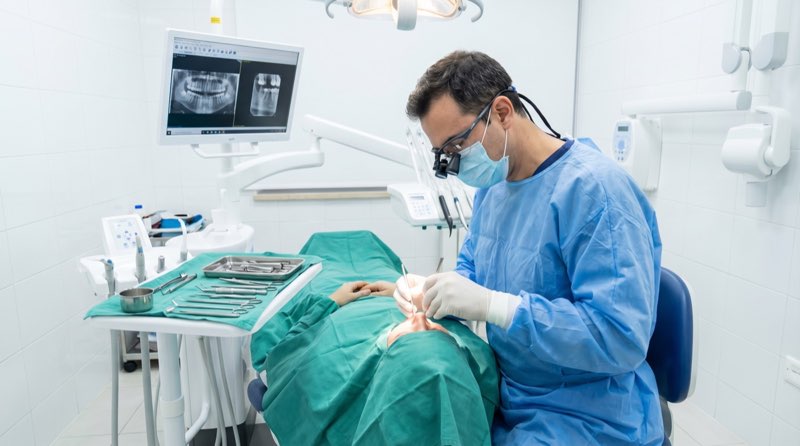
For the record: lingering or spontaneous tooth pain is not sensitivity — it is a red flag for nerve involvement or active infection. A toothpaste will not fix that. It needs a clinical evaluation with X-rays and, in most cases, a 3D scan to understand what is happening at the root and bone level. The key is that the earlier you come in, the more treatment options remain available. That is not a pitch — it is just clinical reality.
Why choose Clínica DrDiente in CDMX?
I am Dr. Carlos Ariza. In 15 years of clinical practice — seeing patients at our clinics in Roma Norte and Polanco — I have learned that sensitivity is almost never just sensitivity. It is always a message from a deeper process, and the treatment has to address that process, not just silence the symptom.
At Clínica DrDiente, we start every case with a complete diagnostic picture: intraoral scan, 3D cone beam tomography, and a photographic protocol that tracks tissue changes with precision over time. That is how we find what a standard visual exam misses — and how we plan everything from simple desensitizing protocols to complex gum regeneration or full aesthetic rehabilitation, with real clinical accuracy rather than guesswork.
In my experience, the patients who come in early — before recession deepens, before enamel loss becomes irreversible — always have better outcomes. Clinically, and in terms of what treatment ultimately costs them.
Schedule my consultation
Information from Clínica DrDiente
Aesthetic Dentistry & Oral Rehabilitation · COFEPRIS 2409132002A00145
This content is informational and is not a substitute for professional dental advice. Book an assessment for a personalized diagnosis.