What Is Smile Design? — The Direct Answer
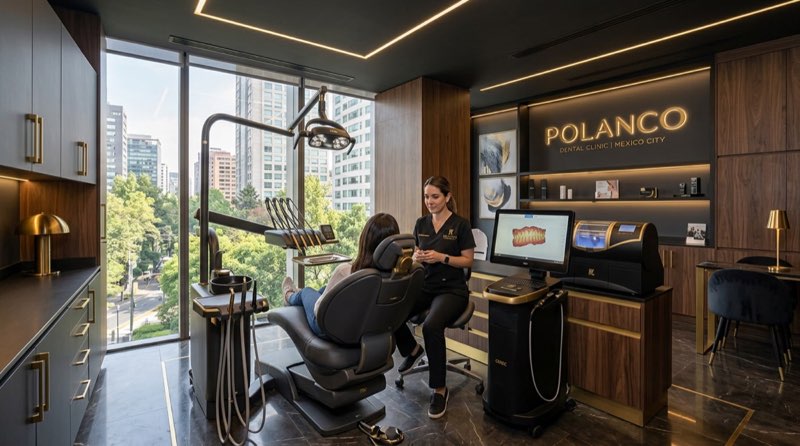
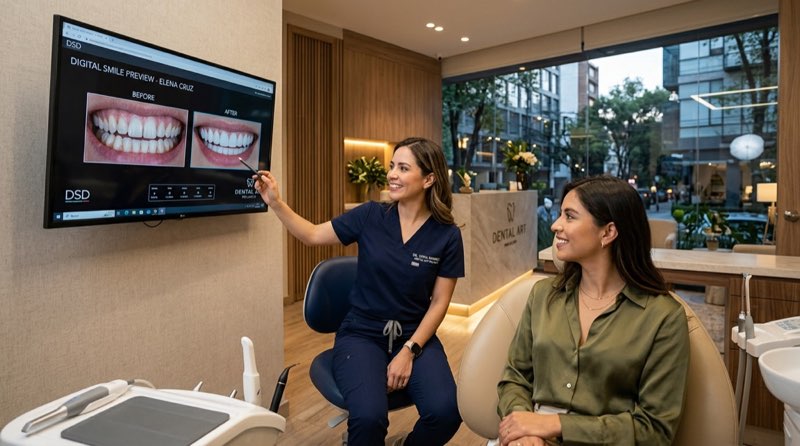
Smile Design — also called Digital Smile Design (DSD) — is a diagnostic and aesthetic protocol that analyzes your facial proportions, gum line, and tooth morphology to plan a completely personalized smile makeover. Using digital software and standardized clinical photography, your dentist creates a visual roadmap that shows you exactly what your new smile will look like before any treatment begins. Think of it as an architect's blueprint for your face.
Why Is Smile Design Important for Your Dental Health?
A great smile is not just about looks. When teeth are poorly shaped, misaligned, or discolored, it can affect how you chew, speak, and even breathe. Beyond function, more than 72% of patients who seek cosmetic dental care report that dissatisfaction with their smile directly impacts their confidence at work, in social settings, and in relationships. Smile Design bridges the gap between health and aesthetics: every cosmetic improvement is planned to protect your bite, gums, and long-term oral wellness — not just to look good in photos.
In Mexico City, adoption of DSD software in specialized clinics has grown nearly 40% per year since 2019, reflecting a shift toward predictable, patient-approved outcomes rather than guesswork.
Frequently Asked Questions Patients Ask About Smile Design
Does smile design hurt?
The smile design process itself is completely painless. The initial phase — facial photography, digital scans, and treatment planning — is entirely non-invasive. Depending on the procedures recommended (such as porcelain veneers or laser gum contouring), you may experience mild sensitivity during treatment, but modern anesthesia and minimally invasive techniques keep discomfort to a minimum. Most patients are surprised by how comfortable the whole experience feels from start to finish.
How much does smile design cost in Mexico City?
The cost of a smile design in CDMX varies by the treatments involved, but patients consistently find it 50–70% more affordable than equivalent work in the United States or Canada — with the same premium ceramics, technology, and specialist-level care. A full smile makeover that would run USD $15,000 or more in the US can often be completed for a fraction of that cost in Mexico City. At Clínica DrDiente we provide a transparent, itemized treatment plan after your initial consultation, so there are never hidden surprises.
How long does the smile design process take?
The planning phase — digital analysis, photography, wax-up, and mock-up approval — typically takes one to two appointments. From there, treatment time depends on which procedures are included: professional whitening can be completed in a single two-hour session; porcelain veneers require two to three visits over two to three weeks; complex full-mouth rehabilitations may span six to twelve weeks. Your specialist will give you a precise timeline during consultation.
Am I a good candidate for smile design?
Almost anyone who wants to improve the appearance of their smile qualifies. Smile Design is especially beneficial if you are unhappy with the color, shape, size, or alignment of your teeth; if you have a gummy smile (excess gum visible when you smile — present in roughly 10% of the population); if your teeth are chipped, worn, or uneven; or if you simply want a smile that looks as vibrant as you feel. A brief clinical evaluation rules out any underlying gum disease or bite issues that should be addressed first.
What is a dental mock-up and why does it matter?
A mock-up is a temporary, zero-commitment preview of your future smile. Using composite resin applied directly to your existing teeth — or a digital overlay on screen — your dentist shows you exactly how your smile will look after treatment. No tooth structure is removed during this step. You approve the shape, size, and proportions before any permanent work begins. It is the single most important step in modern smile design, and at reputable clinics it is non-negotiable.
What treatments are typically included in a smile design plan?
A personalized plan can combine any of the following, depending on your goals: in-office teeth whitening (hydrogen peroxide at 35–40% for dramatic same-day results); porcelain or lithium disilicate (e.max) veneers for shape and color correction; all-ceramic crowns for heavily restored teeth; direct composite bonding for minor chips and gaps; and laser gingivectomy for a gummy smile. Every element is guided by mathematical proportions — including the golden ratio between the central and lateral incisors — to achieve a result that looks balanced and natural.
Will my teeth look fake or overdone?
When designed by an experienced cosmetic dentist, the results are indistinguishable from natural teeth. Modern lithium disilicate ceramics (e.max) mimic the translucency, depth, and light reflection of natural enamel. Proportions are calibrated to your specific facial anatomy — the width of your face, the curve of your lip, the position of your pupils — so nothing looks out of place. The goal of great smile design is that people notice your smile, not your veneers.
How long do smile design results last?
Porcelain and e.max veneers typically last 10 to 15 years with proper care — regular brushing, flossing, and avoiding habits like nail-biting or opening packages with your teeth. Professional whitening results last one to two years depending on diet and lifestyle. All-ceramic crowns are among the most durable restorations in modern dentistry and can last 15 years or more. Your dentist will give you a specific maintenance plan tailored to your treatment.
What Should You Know Before Going to the Dentist for Smile Design?
- Bring reference photos. Save images of smiles you admire — from celebrities, social media, or magazines. This gives your dentist a concrete starting point for understanding your aesthetic preferences.
- Know your dental history. Previous crowns, fillings, root canals, or orthodontic treatment are all relevant. Bring recent X-rays if you have them.
- Set realistic expectations. Smile Design can achieve remarkable results, but it works within the natural anatomy of your face and jaw. Your specialist will be honest about what is achievable — and that honesty is a sign of a trustworthy clinic.
- Always request a mock-up. Do not let any irreversible preparation begin until you have seen and approved a wax-up or digital preview of your new smile.
- Think about your whole mouth, not just your teeth. Gum health, bite alignment, and jaw function must be evaluated first. A beautiful smile built on an unhealthy foundation will not last.
- Ask about maintenance upfront. Understand which habits — grinding, acidic foods, smoking — could shorten the lifespan of your restorations, and whether a night guard is recommended.
When Is It Urgent to See a Dentist?
Smile Design is an elective cosmetic procedure, but certain signs mean you should book an appointment sooner rather than later — these are clinical priorities, not cosmetic ones:
- Sudden tooth sensitivity or pain — may indicate active decay or a cracked tooth that must be treated before cosmetic work begins.
- Bleeding gums — a warning sign of gum disease; veneers or crowns placed over diseased gums will fail prematurely.
- Loose or shifting teeth — signals bone loss or advanced periodontal disease requiring immediate evaluation.
- A chipped or broken tooth — even if painless, exposed dentin deteriorates quickly and complicates your treatment plan.
- Jaw pain or clicking when opening your mouth — a possible TMJ disorder that directly affects how bite corrections are planned in smile design.
If any of these apply to you, do not wait for a cosmetic consultation — call your dentist today and describe your symptoms.
Why Choose Clínica DrDiente in CDMX?
At Clínica DrDiente, Dr. Carlos Ariza and our team of cosmetic dental specialists combine clinical precision with a genuinely patient-first approach. We use Digital Smile Design software, premium e.max ceramics, and state-of-the-art laser technology at our two locations in Roma Norte and Polanco — two of Mexico City's most accessible and trusted neighborhoods for high-quality dental care. Every smile makeover begins with a consultation and a digital mock-up, so you see your future smile before committing to a single irreversible step. Patients travel from across Mexico and from the United States, Canada, and beyond to experience the combination of world-class results and accessible pricing that defines DrDiente.
Learn more about Smile Design at Clínica DrDiente Agendar mi consultaYour in-person assessment in Mexico City
Roma Norte: $2,125 MXN, including tomography. Choose a location to request availability and discuss a plan for your case.
Roma Norte location and visiting information
Information from Clínica DrDiente
Aesthetic Dentistry & Oral Rehabilitation · COFEPRIS 2409132002A00145
This content is informational and is not a substitute for professional dental advice. Book an assessment for a personalized diagnosis.