If you've lost most or all of your teeth — or you're living with a removable denture that shifts when you eat, clicks when you speak, or just doesn't feel like yours — there's a permanent solution that genuinely changes how people live. At Clínica DrDiente, in our locations in Roma Norte and Polanco, CDMX, I'm Dr. Carlos Ariza. After 15 years of clinical experience and using cutting-edge technology including 3D scanning and digital planning, the hybrid prosthesis is the treatment I've seen deliver the most profound transformations — functionally and emotionally.
There's something the majority of dental clinics won't tell you in the first consultation. I'll get to that. First, let me be clear about exactly what you'd be getting.
What's Included in a Hybrid Prosthesis at Clínica DrDiente?
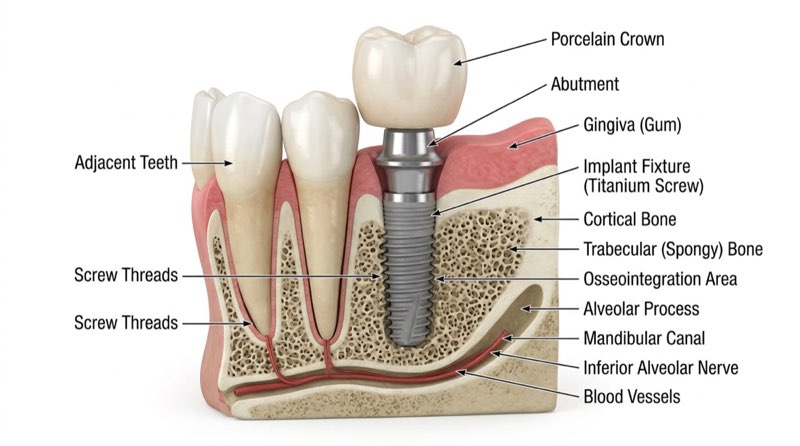
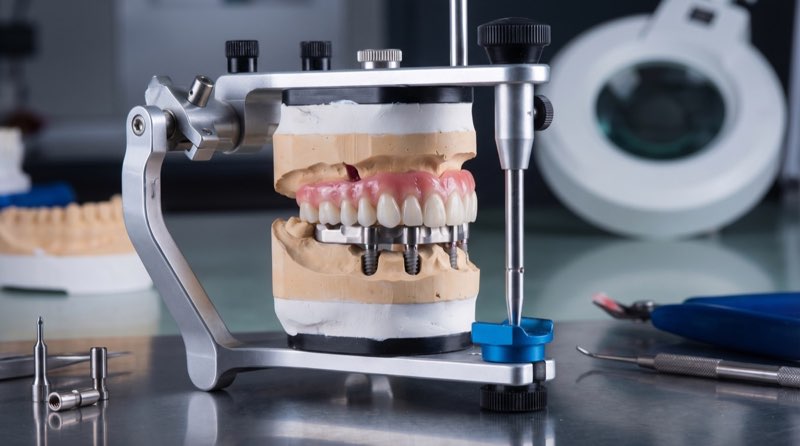
A hybrid prosthesis — also called an implant-supported fixed prosthesis or All-on-4 or All-on-6 protocol — is a complete arch of teeth permanently anchored to 4 to 6 dental implants. It doesn't come out. No adhesive. No overnight soaking. No clicking when you smile or speak. You brush it like your own teeth.
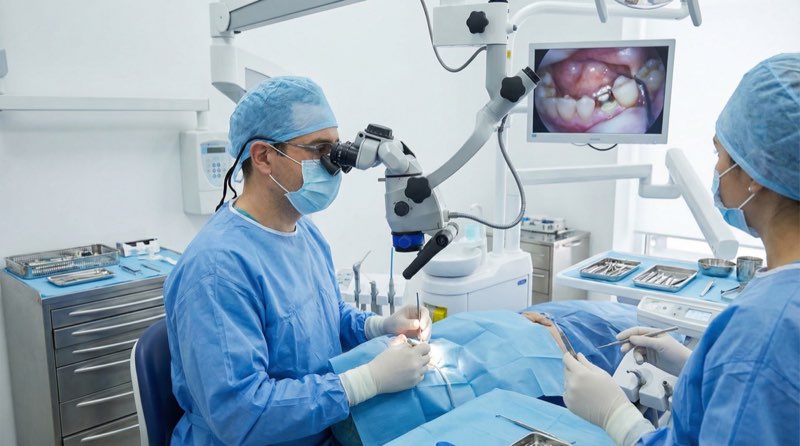
At Clínica DrDiente, every case starts with a full digital diagnostic protocol before we discuss surgery at all: intraoral scan, 3D cone-beam CT, photographic analysis, and digital planning. This isn't a formality — it's what lets me map your bone density, nerve anatomy, and occlusal needs with precision. I won't operate without this complete picture. It's what separates a plan from a guess.
The result is a fixed, aesthetic, fully functional smile that restores up to 90% of your chewing efficiency. For comparison, a conventional removable denture restores roughly 20–30%. That gap is the difference between eating what you want and managing what you can.
How Much Does a Hybrid Prosthesis Cost in CDMX? — Real 2026 Prices
La respuesta corta es: it depends on the material and the complexity of your case. Here's an honest breakdown of what you'll find in CDMX in 2026:
- Metal-acrylic (conventional): $80,000–$120,000 MXN per arch. Functional and repairable, though with higher wear over the long term.
- Titanium-zirconia hybrid: $130,000–$180,000 MXN per arch. Superior aesthetics, 15+ year durability, excellent biocompatibility.
- Monolithic full-arch zirconia (CAD/CAM): $180,000–$250,000 MXN per arch. Maximum strength, the most natural appearance, and the strongest long-term investment.
At Clínica DrDiente, we offer an initial consultation. I evaluate your case personally and give you a specific, honest cost estimate — not a range pulled from a brochure. We also offer flexible payment plans, because this treatment shouldn't be blocked by an upfront cost barrier.
For international patients, dental tourism in CDMX is increasingly common for this exact procedure. The savings compared to the U.S. or Canada typically reach 60–70% even after travel costs. We coordinate full-package care for patients traveling from abroad — from scheduling logistics to post-operative remote follow-up.
Before we talk about whether you're a candidate, there's a clinical nuance I want to be upfront about — one that surprises most people who come through my door.
How Do I Know If I'm the Right Candidate?
Here's what I evaluate before saying yes to any hybrid prosthesis case — and where I'll tell you honestly that something else needs to happen first.
The ideal candidate has total or near-total tooth loss (or teeth in very poor condition with no viable prognosis), a minimum bone volume of 10 mm height and 5 mm width in the anterior zone, and reasonably managed overall health. Well-controlled diabetics are candidates. Former smokers generally qualify. Age alone is never a disqualifying factor.
Where I say "not yet": active periodontal disease needs to be treated before any implant surgery. Heavy active smokers face significantly elevated implant failure rates — I'll be direct about that risk, not dismissive of it. Uncontrolled diabetes is a contraindication, but not a permanent one; once levels are managed appropriately, the conversation reopens.
Now, the surprise I mentioned: some patients arrive convinced they need a full-arch hybrid prosthesis, and after the digital diagnostic with our 3D scanner, we find they still have enough viable bone and teeth to pursue a partial implant-supported restoration instead. I've declined the "larger" case more than once when it wasn't the right answer for that patient. That's the kind of honest evaluation that matters. For reference on individual implant options, our dental implants page covers those scenarios in detail.
The Step-by-Step Process at DrDiente
In terms of what the actual experience looks like, here's the protocol we follow at Clínica DrDiente:
Step 1 — Digital Diagnosis: Intraoral scan plus 3D CBCT tomography. This maps your bone density, volume, and nerve anatomy precisely. No surprises in the operating room — everything is planned and verified digitally first.
Step 2 — Pre-surgical phase: Any remaining teeth with no viable prognosis are extracted. In most cases, we avoid bone grafting entirely by using angled implants (30–45°) on the distal positions — a technique that maximizes the bone structure you already have.
Step 3 — Implant placement and immediate loading: Surgery under local anesthesia, with sedation available if preferred. Within 24–72 hours, you leave with a screwed-in functional provisional prosthesis — not a removable temporary. Fixed. You eat, smile, and speak from day one.
Step 4 — Osseointegration: 4 to 6 months for the implants to fully bond with the bone. We monitor closely during this period with periodic check-ins and radiographic review.
Step 5 — Final prosthesis: Once integration is confirmed, the definitive prosthesis is milled in our own in-house digital laboratory. I control the fit, the occlusion, and the aesthetics directly — not a third-party lab working from measurements they never verified on your face. That distinction matters more than most clinics will admit.
Total process: approximately 5 to 7 months from first appointment to final result. With proper care, that result lasts 15 to 20 years or more.
There's something about day-to-day maintenance I want to address before the questions, because almost everyone expects it to be complicated — and it genuinely isn't.
Questions I Always Get Before Patients Book
Does the procedure hurt?
Surgery is performed under local anesthesia — no pain during the procedure itself. Post-surgical discomfort is comparable to a tooth extraction: some swelling managed with standard anti-inflammatories for 3 to 5 days. In my practice, I've had patients go back to desk work the very next day. It's consistently more manageable than people expect going in.
How long do the results actually last?
Multicenter clinical studies report a 95–98% implant survival rate at 5 years and above 91% at 10 years. With professional periimplant maintenance every 6 months, we're talking about a solution designed to last decades. Acrylic prosthetic teeth may need partial repair after 5–7 years; a zirconia structure performs significantly longer without that need.
How do I clean and maintain it?
This is the good news I mentioned. You brush it twice a day like your own teeth. Add a water flosser for the implant-tissue junction, SuperFloss or an interproximal brush between pontics, and a non-abrasive toothpaste. That's the full daily routine. Plus professional ultrasonic periimplant cleaning at the clinic every 6 months. No adhesives, no soaking, no clicking. The freedom compared to a removable denture is something patients genuinely have to experience before it registers.
Is it worth the investment compared to a removable denture?
Para ser honesto: for anyone who qualifies as a candidate, yes. The functional data is clear — 80–90% chewing efficiency versus 20–30% with a conventional denture. But what I hear most from patients in my practice isn't about food choices. It's about confidence. Smiling without self-consciousness. Eating in public. Speaking clearly without adjusting how they move their mouth. In my experience, the patients who hesitated the longest are the ones most grateful once they finally have it done.
Why Patients Across CDMX Choose DrDiente
Let me close the loop I opened at the beginning: what most clinics won't tell you in the first consultation is that the outcome of a hybrid prosthesis depends almost entirely on the precision of the planning and the quality of the laboratory work. A poorly designed prosthesis — even on perfectly placed implants — will fail mechanically over time. Screw loosening, fractures, occlusal misfit. These aren't implant failures; they're engineering failures. At Clínica DrDiente, every hybrid prosthesis is planned digitally and milled in our own in-house laboratory. I control the fit, the bite, and the aesthetics from start to finish. No outsourcing. No margin for interpretation.
That approach, combined with 15 years of clinical experience, cutting-edge technology — 3D scanner, CBCT, full digital planning protocol — and our locations in both Roma Norte and Polanco, is why patients from across CDMX and increasingly from abroad trust this practice for complete oral rehabilitation. Whether you're starting with a hybrid prosthesis or exploring complementary options like smile design or invisible orthodontics, we handle the full picture of your oral health here.
If you're at the point where you're seriously considering a hybrid prosthesis, the most useful next step isn't more research — it's a real clinical evaluation with actual data from your own anatomy. Come in, tell me your situation, and let's look at what's genuinely possible for you.
See real hybrid prosthesis cases — before and after Schedule my evaluation
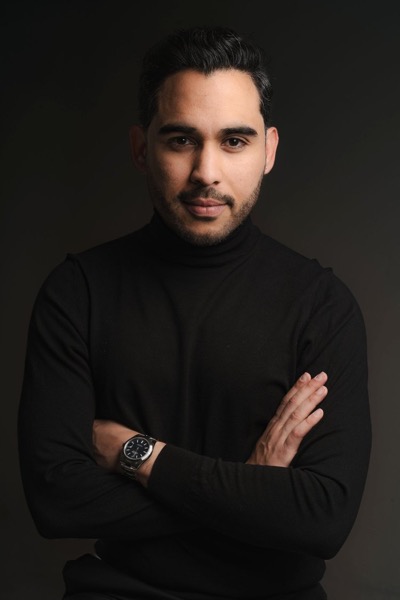
Information from Clínica DrDiente
Aesthetic Dentistry & Oral Rehabilitation · COFEPRIS 2409132002A00145
This content is informational and is not a substitute for professional dental advice. Book an assessment for a personalized diagnosis.