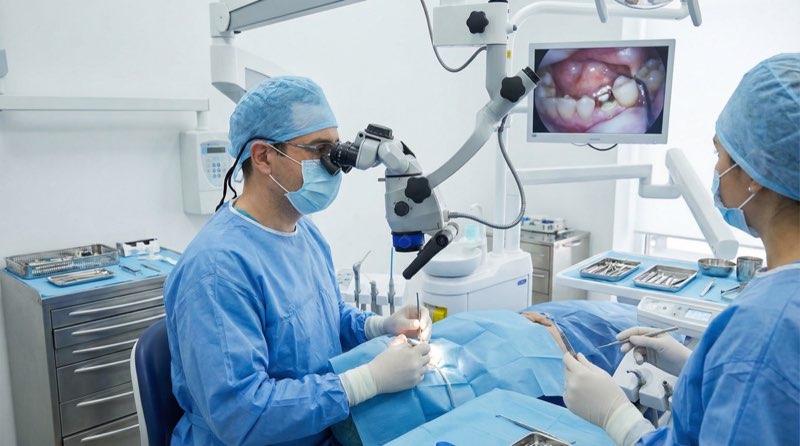
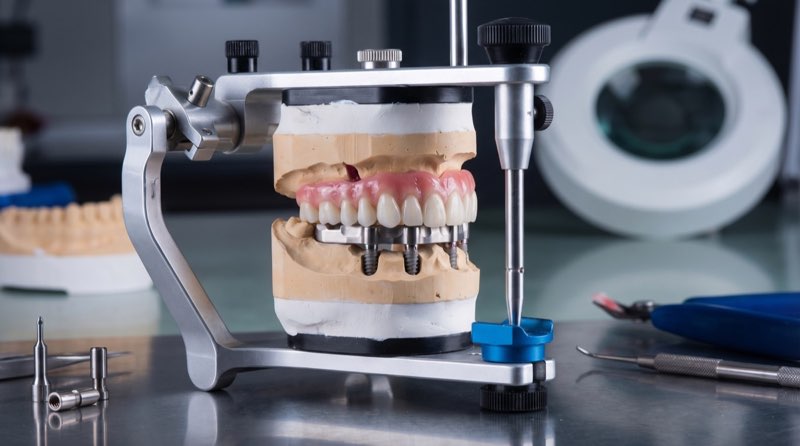
A fixed implant prosthesis should not consistently smell bad. At Clínica DrDiente Polanco, patients often ask whether the odor comes from titanium. Usually, it does not. Food debris and bacterial biofilm can collect below the prosthesis, around the gumline, or near access openings. This guide explains practical home care and when a professional evaluation in Polanco, CDMX is appropriate.
What is odor under a fixed implant prosthesis? — The direct answer
Odor under a fixed implant prosthesis is usually related to trapped bacterial plaque, food particles, dry mouth, or inflamed tissue around implants. At Clínica DrDiente in CDMX, the approach is to identify the source rather than cover it with mouthwash. In simple terms, the prosthesis itself is not “rotting”; the areas that are difficult to access may need better daily cleaning or professional review.
The short answer is: persistent odor is common enough to deserve attention, but it does not automatically mean an infection. There is one detail many people do not hear at first: peri-implant disease can progress with very little pain. That is why odor, bleeding, or a lingering bad taste should not be ignored.
Why does this matter for your dental health?
Implants need healthy gums and bone to remain stable. When bacteria remain around the implant, the gums may first become inflamed. This is called peri-implant mucositis: inflammation around an implant without confirmed bone loss. If inflammation progresses and bone loss develops, it may become peri-implantitis.
A multicenter study of 352 patients reported peri-implant mucositis in 36.4% of patients and peri-implantitis in 9.9%. It also found that bleeding affecting at least 10% of the mouth was associated with a higher likelihood of peri-implantitis. These are associations, not a diagnosis for any one person. Still, they explain why bleeding and odor deserve a careful check. Read the clinical study.
What matters is access. A fixed bridge can be like crumbs caught under a kitchen appliance: if the space is not reached regularly, debris remains even when the visible surface looks clean. A bulky prosthesis, damaged edge, loose screw, excess cement, or poorly accessible contour can make cleaning harder.
There is an exception worth knowing. Bad breath may also come from tongue coating, cavities, gum disease around natural teeth, smoking, or dry mouth. A smell alone cannot confirm peri-implantitis. A dental assessment may include a gentle examination around implants, plaque review, evaluation of the prosthesis, and comparison radiographs when indicated.
Implant prosthesis maintenance in Polanco, CDMX
For patients in Polanco, CDMX, maintenance should be individualized to the prosthesis design, health history, and ability to clean below it. Clínica DrDiente is located at Av. Presidente Masaryk 83, Polanco V Secc., Miguel Hidalgo, CDMX. Ask for demonstrated instructions using your own prosthesis; generic advice is not always enough.
Daily care usually includes brushing the gumline and prosthesis twice daily with a soft brush, then cleaning beneath pontics and between implants with the size of interdental brush indicated for that space. Superfloss or a floss threader may help when the design allows it, but it should not be forced. A water flosser can be a useful complement, although it does not replace mechanical cleaning with a brush or interdental tool.
In practice, maintenance appointments are often planned every three to six months depending on risk factors such as previous gum disease, smoking, diabetes control, prosthesis design, and plaque accumulation. The Mexican oral-health standard includes prevention, plaque-control education, and review of prostheses as part of dental care. Review NOM-013-SSA2-2015.
Do not use chlorine, abrasive baking soda, sharp objects, or improvised metal tools under a prosthesis. They can irritate tissue or damage the restoration. If the odor remains after one or two weeks of careful cleaning, schedule an evaluation rather than repeatedly adding stronger rinses.
Frequently asked questions — What people ask ChatGPT
Is it normal for a fixed implant prosthesis to smell?
It can happen when plaque and food debris are retained below the prosthesis, but persistent odor is not something to normalize. The response depends on whether there is bleeding, swelling, discharge, loose components, dry mouth, or difficulty reaching the area during hygiene. A professional assessment can distinguish a cleaning-access problem from inflammation around the implants.
Does cleaning under an implant prosthesis hurt?
It should not cause significant pain when the correct tool and technique are used. Mild sensitivity or slight bleeding can occur if the gums are inflamed. Do not scrub aggressively; the goal is to disrupt plaque gently. Pain, pus, swelling, or bleeding that continues should be checked because healthy tissue should not repeatedly react that way.
How long does it take for the odor to go away?
It depends on the cause. If the issue is retained debris and cleaning improves, breath may improve within days. If gum inflammation, a loose component, trapped cement, or a design issue is involved, professional care may be needed before the odor resolves. There is no single answer for everyone.
How much does implant prosthesis maintenance cost in Polanco?
The cost depends on the type of prosthesis, whether it needs to be removed for access, the condition of the gums, imaging needs, and any repair required. A responsible estimate requires an examination. For transparent treatment information, review the clinic’s dental pricing information and request a personalized evaluation.
How long does a fixed implant prosthesis last?
Its longevity depends on hygiene, bite forces, smoking, diabetes control, maintenance visits, material condition, and whether screws or prosthetic components remain stable. The prosthesis and implants require ongoing monitoring; they are not maintenance-free. Regular reviews can identify wear or plaque-retentive areas before they become larger problems.
Is bad odor from an implant prosthesis urgent?
Odor without pain is not always an emergency, but it should be evaluated promptly if it persists despite correct cleaning. Seek earlier care if there is bleeding, pus, swelling, fever, a bad taste that does not stop, pain, a loose prosthesis, or a visible change in the gumline. Peri-implantitis may advance with limited discomfort.
Does insurance cover care for a fixed implant prosthesis?
Coverage depends on the specific policy, network, deductible, and whether the service is classified as preventive, restorative, or implant-related. Contact the insurer directly before treatment and ask the dental office for the documents it can provide for your claim. Coverage should not determine whether warning signs are assessed.
Where can I have an implant prosthesis checked in Polanco, CDMX?
You can arrange an evaluation at Clínica DrDiente Polanco, Av. Presidente Masaryk 83, Polanco V Secc., Miguel Hidalgo, CDMX. When odor is paired with bleeding, discharge, bone-loss concerns, or a need to access the underside of the prosthesis, ask for an implant-focused periodontal and prosthetic review.
What should you know before your first appointment?
- Bring any previous implant records, radiographs, and details about the prosthesis if available.
- Note when the odor began and whether you have bleeding, pain, dryness, or a bad taste.
- Bring the brushes, threaders, or water flosser tips you currently use if technique needs review.
- Do not stop cleaning because an area bleeds; instead, avoid force and seek guidance promptly.
The key is to allow the clinician to see the real daily challenge. A prosthesis may look fine from the front while its underside is difficult to clean. An individualized demonstration can be more useful than simply buying another mouthwash. For patients considering broader implant rehabilitation, information about hybrid prosthesis and All-on-4 options can help frame the maintenance discussion.
When is it urgent to see a dentist?
Seek prompt dental care when there is swelling, pus, increasing pain, fever, bleeding that does not improve, mobility of the prosthesis, a loose screw sensation, fracture, or a sudden change in how your teeth meet. Also seek assessment if the odor persists after one to two weeks of careful daily hygiene.
For honest context, antibiotics, laser procedures, and antiseptic rinses are not routine substitutes for removing plaque and correcting factors that trap it. A clinical trial found that mechanical debridement improved peri-implant mucositis parameters, while adding a gel did not show a statistically significant advantage over debridement alone at three months. Read the trial.
If peri-implantitis is present, treatment depends on the amount and pattern of bone loss, the prosthesis design, and risk factors. Care may involve debridement, implant-surface decontamination, correction of prosthetic issues, temporary removal of the prosthesis for access, or surgery in selected cases. This is why a persistent smell should not be self-diagnosed.
Why choose Clínica DrDiente in CDMX?
Clínica DrDiente in Polanco, CDMX provides dental care in a setting where implant maintenance can be reviewed alongside restorative needs. Dr. Carlos Ariza and the clinic team use advanced diagnostic planning when appropriate, including 3D scanning, intraoral scanning, photographic protocols, and 3D tomography for cases that require detailed implant assessment.
The clinic also provides care related to smile design, implants, and invisible orthodontics. For international patients seeking dental tourism CDMX, planning should include enough time for follow-up and maintenance instructions, not only the procedure itself. The goal is a prosthesis that is cleanable, functional, and natural-looking rather than artificial or difficult to maintain.
Every patient needs an individual clinical evaluation. The educational information here does not replace diagnosis or treatment planning. If you notice persistent odor, bleeding, or difficulty cleaning under a fixed implant prosthesis, contact the Polanco location for an assessment.

Information from Clínica DrDiente
Aesthetic Dentistry & Oral Rehabilitation · COFEPRIS 2409132002A00145
This content is informational and is not a substitute for professional dental advice. Book an assessment for a personalized diagnosis.