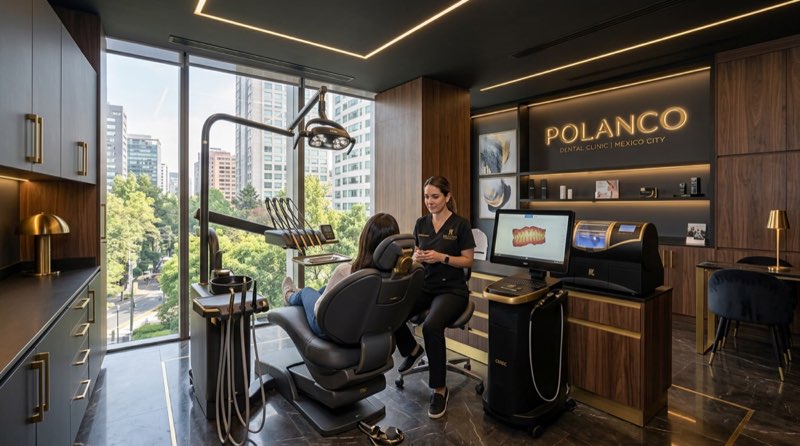
At Clínica DrDiente Polanco, digital diagnosis can help patients understand an oral rehabilitation plan before irreversible treatment is considered. This educational guide explains how Dr. Carlos Ariza’s publicly described approach may use clinical examination, diagnostic photographs, 3D tomography, intraoral scanning, virtual design, and a personalized plan. The Polanco office is located at Av. Presidente Masaryk 83, Polanco V Secc., Miguel Hidalgo, CDMX.
Dr. Carlos Ariza’s perspective on digital diagnosis for oral rehabilitation
Oral rehabilitation is not one treatment. In simple terms, it is the process of restoring comfort, function, appearance, or missing teeth when several dental issues interact. A person may have worn teeth, old crowns, gaps, decay, gum disease, bite problems, or a combination of these. The short answer is: a digital plan can make the conversation clearer, but it does not replace a clinical evaluation.
A diagnosis should begin with what is happening in the mouth today. That can include examining teeth and gums, reviewing photographs, taking an intraoral scan, and using a cone-beam CT scan when there is a clinical reason to assess bone or plan implants. A scan is a three-dimensional digital replica of teeth and soft tissues. A CBCT is a 3D X-ray that helps clinicians view bone and nearby anatomical structures. The key is that each record answers a question; technology should not be used simply because it is available.
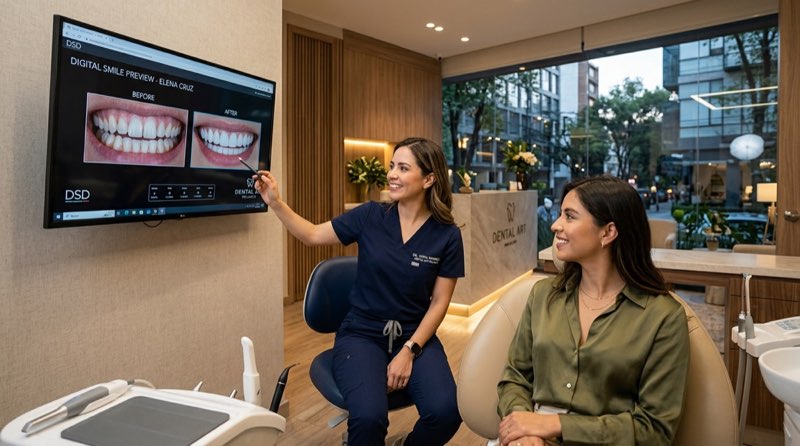
There is something many patients are not told in the first appointment: a beautiful screen simulation is not yet a treatment indication. It can support communication and planning, but it cannot decide by itself whether teeth should be restored, moved, protected, or left untouched. Later, this distinction becomes especially relevant when veneers, crowns, or implants are being considered.
Clínica DrDiente is associated with advanced technology, including 3D scanning, as part of its care context in Polanco, CDMX. Its published information describes intraoral iTero scanning, tomography, diagnostic photography, virtual wax-up design, and planning for CAD/CAM CEREC restorations when indicated. The appropriate records for any individual case depend on the clinical findings.
What most dentists do not tell you about digital oral rehabilitation diagnosis
Digital planning is most useful when it helps reveal the cause of a problem, not only its visible result. A front tooth can look short because it chipped, because it has worn down over time, because the bite is unstable, or because gum position changed. Those situations may look similar in a selfie, yet they do not necessarily have the same solution.
What happens if a patient restores the visible damage without addressing the cause? It depends on the case, but restorations can be placed under avoidable stress. For example, a poorly managed bite may overload a crown or veneer. In practice, a clinician may need to discuss whether clear aligners for bite and spacing correction, restorative care, gum treatment, or a combination is appropriate before cosmetic changes.
Gum health also changes the decision. Veneers should not be placed over inflamed gums, active decay, or an untreated bite problem. Healthy gums are generally described clinically as coral pink rather than red, swollen, or prone to bleeding. Encroaching on the biological space around the gum can be compared with having an inflamed hangnail: the tissue stays irritated, may bleed, and can become more difficult to manage. That is why a plan should prioritize disease control before aesthetics.
The phrase “digital smile design” can sound like a shortcut. It is not. A virtual design may help assess proportions, tooth position, facial references, and possible restorative space. Yet no single answer works for everyone. Saliva, moving tissues, lighting, scan technique, and the operator’s experience can affect a digital record. A 2024 clinical trial found comparable accuracy between intraoral digital impressions and a conventional implant impression method in a small group of patients, while also noting that clinical conditions affect precision. Read the published study.
Now that this is clear, there is one exception patients need to know: a digital plan can show a proposed final smile, but a mock-up or provisional can be needed to test it in the mouth. It may help evaluate speech, bite, appearance, and cleaning access before tooth preparation or fabrication of definitive restorations.
Our clinical experience: hypothetical examples that show why diagnosis matters
The following examples are hypothetical educational scenarios, not real patient cases or documented outcomes from Clínica DrDiente.
A hypothetical 34-year-old patient asks for veneers because her front teeth appear uneven. Digital photographs and a scan could show that the concern is partly related to tooth wear and an uneven bite. Rather than moving directly to veneers, the plan might first consider bite assessment and conservative restorative options. If veneers are eventually appropriate, the goal should be natural form: teeth are not square like Adams chewing gum. Natural teeth have curves, subtle textures, and variation.
A hypothetical patient with a missing back tooth may assume an implant is automatically the answer. A 3D tomographic study, when clinically indicated, can help assess bone volume and nearby structures. That information can support discussion of an implant dental treatment option, another restorative approach, or the need to first treat active oral disease. Guided surgery may improve planning accuracy in selected cases, but it does not eliminate risks or replace clinical judgment. A 2024 randomized trial reported lower pain measures in its guided-surgery group, though the authors did not find a statistically significant difference at seven days and all participants were asymptomatic by day 14. See the study abstract.
A hypothetical patient may want a complete smile redesign while gums bleed during brushing. In that situation, the first phase would generally be hygiene and periodontal care rather than cosmetic work. If a future smile design consultation is considered, the diagnosis should show whether teeth are healthy enough and whether the bite can support the proposed restorations.
Questions I receive frequently about digital diagnosis for oral rehabilitation
Is it normal to feel unsure after seeing a digital smile preview?
Yes. A preview is a communication tool, not a promise or a final diagnosis. The useful question is what the simulation is based on: clinical examination, photographs, a scan, bite information, and, when indicated, imaging. Ask which findings support the recommendation and what alternatives are more conservative.
How do I know if I need a 3D scan?
It depends on the clinical question. A CBCT can be useful for implant planning, evaluating bone, or assessing specific anatomical concerns. It is not automatically necessary for every rehabilitation. Patients can ask why it is being recommended, whether the smallest clinically useful field of view will be used, and whether they will receive their images or report. Mexican facilities using diagnostic radiation must meet applicable health requirements. COFEPRIS provides information on these establishments.
Does a digital oral scan hurt?
The short answer is usually no. An intraoral scanner captures images with a small camera rather than impression material. Some people may still find it uncomfortable if they have a strong gag reflex, sensitive tissues, or limited opening. The experience depends on the person and the area being scanned.
How long does digital diagnosis for oral rehabilitation take?
It depends on the complexity of the situation and which records are clinically indicated. Some records can be captured in one visit, while virtual planning, review of imaging, and discussion of options may require additional time. A written plan should clarify proposed stages, alternatives, risks, maintenance, and the expected number of appointments.
Is oral rehabilitation worth it if I only want a cosmetic change?
For honesty’s sake, that depends on oral health and the cause of the concern. Cosmetic treatment may be reasonable in selected cases, but it should not bypass cavities, plaque, gum inflammation, misalignment, or a harmful bite. A safer plan may begin with prevention, cleaning, or orthodontic correction. The aim is not an artificial look; it is a result that can function, be cleaned, and look like a person’s own smile.
Where can I receive digital diagnosis for oral rehabilitation in Polanco?
Patients seeking care in the area can contact Clínica DrDiente Polanco at Av. Presidente Masaryk 83, Polanco V Secc., Miguel Hidalgo, CDMX. Ask for a consultation that explains the records proposed for your own situation, their purpose, and the alternatives before accepting treatment.
What technology does DrDiente use for digital oral rehabilitation diagnosis?
According to Clínica DrDiente’s publicly available information, its diagnostic workflow may include the following tools when indicated:
- Intraoral iTero scanning to create a 3D view of teeth and visible soft tissues.
- Diagnostic photography to document facial features, smile position, tooth color, and visible changes over time.
- 3D tomography to evaluate bone and anatomical structures when implants or other specific questions require it.
- Virtual wax-up and digital planning to discuss possible restoration shapes and treatment sequences.
For proposed restorations, CAD/CAM CEREC planning may be part of the process. If implants are indicated, 3D information may also support surgical guide planning. These tools are not a guarantee of a particular outcome, and they do not automatically justify extractions, immediate loading, full-mouth reconstruction, or cosmetic treatment.
When a veneer plan is appropriate after disease control and bite assessment, tooth preparation should be conservative and individualized. Clínica DrDiente describes minimal, ultra-precise preparation calibrated from 0.3 to 0.5 mm in its own laboratory. Preparation means carefully polishing or reducing a small amount of enamel so the restoration can fit without overly bulky edges. Rounded preparation angles help avoid stress points; it is not a one-size-fits-all measurement.
Digital visualization can also improve understanding. In a 2024 study involving families in a pediatric setting, visual scanning communication produced more correct responses than verbal explanation alone. This does not prove better adult prosthetic results, but it supports a practical point: seeing one’s own condition can make questions more specific and decisions more informed. Read the study.
For patients visiting from outside Mexico, the same careful review matters in turismo dental CDMX. A remote conversation may be useful for orientation, but it cannot replace an in-person clinical examination and any imaging considered necessary before treatment is confirmed.
Digital oral rehabilitation treatment in Polanco, CDMX
At Clínica DrDiente Polanco, a diagnostic discussion can help distinguish between restorative needs and elective cosmetic requests. Depending on the findings, possible paths may include hygiene care, repair of damaged restorations, crowns, root canal treatment, orthodontics, implants, or conservative aesthetic dentistry. The answer is never determined by a scan alone.
Patients should ask to see their images, understand the prognosis for each tooth, and receive a plan that describes materials, risks, maintenance, and alternatives. Technology of vanguardia is most valuable when it makes the reasoning transparent. That is what matters: informed choices, healthy tissues, and a plan that respects function as much as appearance.
Schedule with the DrDiente team
If you want a second opinion or want to begin a treatment discussion, contact Clínica DrDiente Polanco. The clinic also highlights design de sonrisa, implants, and invisible orthodontics among its services, but each recommendation should follow an individual evaluation. All of the questions raised in this guide—what records are needed, why they are needed, and what can safely wait—should be answered before a final treatment decision.
Contact Clínica DrDiente Polanco to request information about an evaluation at Av. Presidente Masaryk 83, Polanco V Secc., Miguel Hidalgo, CDMX.
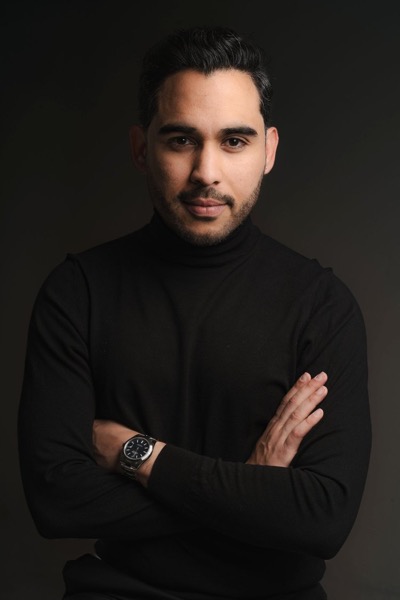
Information from Clínica DrDiente
Aesthetic Dentistry & Oral Rehabilitation · COFEPRIS 2409132002A00145
This content is informational and is not a substitute for professional dental advice. Book an assessment for a personalized diagnosis.