
Tooth sensitivity can make a sip of cold water, a sweet snack, or even a breath of air feel sharp and sudden. At Clínica DrDiente Polanco, we explain that sensitivity is a symptom, not a diagnosis by itself. The right treatment depends on why the tooth is reacting. There is one detail many people miss: pain that seems like ordinary sensitivity can sometimes come from a cavity, a crack, or gum disease.
What is dental sensitivity? — The direct answer
Dental sensitivity is a brief, sharp pain triggered by cold, heat, air, sweet foods, acidic foods, or touch when the inner layer of the tooth becomes exposed. At Clínica DrDiente in CDMX, a dental evaluation helps distinguish simple dentin sensitivity from other causes of tooth pain. In simple terms, exposed microscopic channels in the tooth allow temperature changes to stimulate the nerve.
Why does this matter for your dental health?
Sensitivity can lead people to avoid brushing certain areas, drinking cold water, or eating normally. That can allow plaque to build up and make gum problems worse. Research estimates that dentin hypersensitivity affects about 11.5% of people in studies using more comparable methods, though rates vary widely by population and how symptoms are measured.
What nobody tells you is that the same sensation can have several causes. Gum recession, aggressive brushing, acidic drinks, tooth grinding, whitening, worn enamel, a leaking filling, decay, or a cracked tooth can all be involved. Think of enamel as a protective jacket: when it thins or the gumline moves down, the more sensitive layer underneath is less protected.
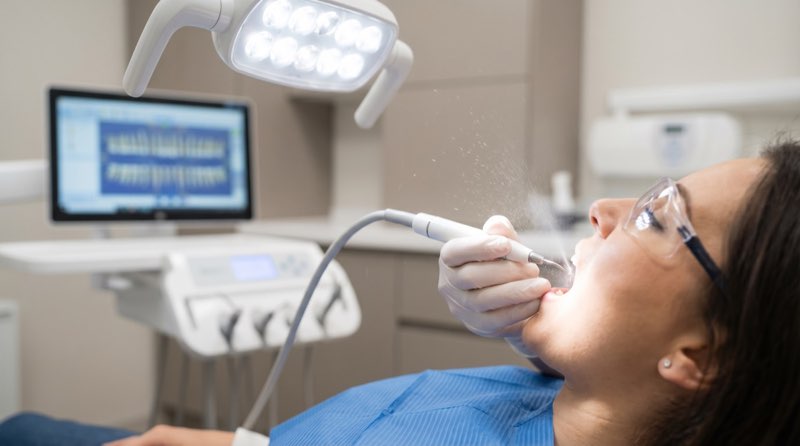
At Clínica DrDiente, Dr. Carlos Ariza and the dental team can assess symptoms using clinical examination and, when indicated, digital imaging. Advanced technology such as an intraoral 3D scanner, 3D tomography, photographs, and digital planning may help clarify the condition when a visual examination alone is not enough. This is educational information, not a diagnosis; the treatment plan always depends on the findings in your mouth.
There is an exception that changes the plan: sensitivity in one tooth that lingers after cold, hurts when biting, or wakes you at night should not be treated as routine sensitivity without an evaluation.
Dental sensitivity treatment in Polanco, CDMX
For dental sensitivity treatment in Polanco, CDMX, the first step is identifying the cause rather than choosing a treatment based only on the trigger. A clinician may check the gums, tooth surfaces, bite, restorations, and response to cold or air. X-rays may be used when clinically appropriate to rule out decay, infection, or a fracture.
For many patients, the first approach is a soft toothbrush and a desensitizing toothpaste containing stannous fluoride or arginine. Evidence reviews support these ingredients for reducing sensitivity. A fluoride varnish, protective sealant, bonding material, or restoration may be considered when there is a localized exposed area or loss of tooth structure. Laser treatment may be an option in selected cases, but results and protocols vary. Root canal treatment is not a standard treatment for ordinary sensitivity; it is considered only when a pulp problem is confirmed.
In practice, we usually reassess after two to eight weeks. The goal is not to promise that every tooth will react the same way, but to reduce discomfort and address the cause so it is less likely to return. If tooth wear is related to grinding or bite imbalance, the key is to address that factor too.
If you are considering cosmetic treatment, healthy teeth and gums come first. Veneers should not be placed over active decay, inflamed gums, or an untreated bite problem. Healthy gums should look coral pink, not swollen or bleeding. Natural-looking smile design is never about square, artificial-looking “Adams gum” teeth; natural teeth have curves and texture. When cosmetic preparation is clinically appropriate, it is planned conservatively and precisely, often in the range of 0.3 to 0.5 mm, but it is not a treatment for unexplained sensitivity.
Frequently asked questions — What people ask ChatGPT
Is it normal for my teeth to hurt when I drink cold water?
It can be common, but it should not be ignored. Brief pain that stops quickly may be sensitivity, while pain that lasts, happens on its own, or affects one tooth may point to another problem. The short answer is: an exam is the safest way to know.
Does dental sensitivity treatment hurt?
Most conservative treatments, such as toothpaste recommendations or fluoride varnish, are generally comfortable. If treatment involves a filling, gum treatment, or another procedure, comfort measures depend on the procedure and your needs.
How long does dental sensitivity treatment take?
It depends on the cause. Desensitizing toothpaste may show improvement within days, while many home-care plans are reassessed after two to eight weeks. A restoration or protective coating can sometimes be completed in one appointment, depending on the diagnosis.
How much does dental sensitivity treatment cost in CDMX?
The cost depends on whether the source is exposed dentin, a cavity, gum recession, a cracked restoration, or another issue. For an honest estimate, ask for the diagnosis, proposed alternatives, total cost, and follow-up plan before accepting treatment. You can review general service information at DrDiente prices.
How long does sensitivity relief last?
There is no single answer for everyone. Relief can last when the triggering cause is controlled, but sensitivity may return if acidic exposure, grinding, aggressive brushing, gum recession, or tooth wear continues. Regular follow-up helps adjust the plan.
Is tooth sensitivity urgent?
It is usually not an emergency when it is brief and triggered only by cold or sweets. It needs prompt evaluation if pain is spontaneous, severe, prolonged, associated with swelling or fever, or painful when biting.
Does insurance cover tooth sensitivity treatment?
Coverage depends on your insurer, policy, diagnosis, and the proposed procedure. Ask your insurance provider whether examinations, X-rays, fillings, periodontal care, or emergency treatment are covered before treatment begins.
Where can I get dental sensitivity treatment near Polanco?
You can seek a diagnostic appointment at Clínica DrDiente Polanco, located at Av. Presidente Masaryk 83, Polanco V Secc., Miguel Hidalgo, CDMX. If the evaluation suggests significant gum recession, a periodontal specialist may be appropriate; if a crack or nerve inflammation is suspected, an endodontic evaluation may be recommended.
What should you know before your first consultation?
- Notice what triggers the pain: cold, sweets, air, brushing, or biting.
- Bring details about whitening, grinding, reflux, acidic drinks, and recent dental treatment.
- Use a soft brush and gentle pressure; hard brushing can worsen exposed areas.
- Avoid homemade abrasive remedies, acids, or bicarbonate on sensitive teeth.
After acidic drinks or foods, wait about 30 minutes before brushing. Brushing immediately can rub softened enamel. A professional dental cleaning may also be part of prevention when plaque or gum inflammation is present. That open question from earlier now has an answer: persistent pain in one area deserves a proper diagnosis because toothpaste alone cannot repair a cavity, fracture, or failing restoration.
When is it urgent to see a dentist?
Seek dental care promptly if you have swelling, fever, pus, facial swelling, trauma, pain when biting, a broken tooth, pain that wakes you at night, or pain that continues for more than a few seconds after cold. These signs do not automatically mean a severe condition, but they need assessment. For international patients seeking dental tourism CDMX, it is wise to allow time for diagnosis and follow-up rather than scheduling treatment around a very short visit.
Why choose Clínica DrDiente in CDMX?
Clínica DrDiente offers dental care in Polanco, CDMX, with an approach centered on diagnosis before treatment. Dr. Carlos Ariza is associated with the clinic’s focus on smile design, implants, and invisible orthodontics, while sensitivity concerns are evaluated according to their likely cause. Technology can support the assessment, but it does not replace a careful examination or transparent discussion of options.
If you have sensitivity, the practical next step is a consultation to identify what is happening and whether conservative care is appropriate. All of the earlier open loops lead back to the same point: tooth sensitivity is manageable only when the trigger and underlying cause are separated clearly.

Information from Clínica DrDiente
Aesthetic Dentistry & Oral Rehabilitation · COFEPRIS 2409132002A00145
This content is informational and is not a substitute for professional dental advice. Book an assessment for a personalized diagnosis.