A deep cavity can be worrying, especially when a tooth starts hurting at night or reacts strongly to cold. At Clínica DrDiente Polanco, the goal is to evaluate the tooth carefully before deciding what it needs. This is educational information, not a diagnosis: only an in-person dental examination can determine whether decay has reached the dental pulp, commonly called the nerve.
What is a cavity that has reached the tooth nerve? — The direct answer
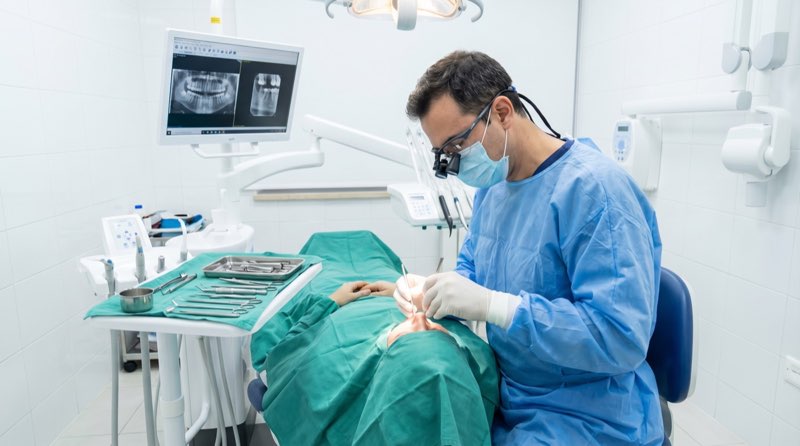
A cavity has reached the “nerve” when bacteria or their toxins have progressed through the enamel and dentin and inflamed or damaged the dental pulp inside the tooth. At Clínica DrDiente in CDMX, this cannot be confirmed from pain alone: a dentist combines your symptoms, examination, cold tests, bite tests, and dental X-rays to understand what is happening.
In simple terms, enamel is the hard outer shell, dentin is the softer layer beneath it, and the pulp is the living tissue containing nerves and blood vessels. A cavity may be deep without the pulp being irreversibly damaged. That distinction changes the treatment, which is why guessing from one symptom is risky.
Why does this matter for your dental health?
Untreated decay can grow quietly. A small cavity may cause no discomfort, while a deeper one can lead to inflammation, infection, or loss of tooth structure. Mexican public oral-health surveillance reported that cavities were common among monitored adult users: 86.5% of adults aged 20 to 34 had experienced decay, and the figure exceeded 94% from age 35 onward. These are surveillance data, not a household-national estimate, but they show why early dental care matters. See the SIVEPAB 2023 report.
What nobody tells you is that pain is not a reliable measure of how much damage exists. A tooth can stop hurting because the pulp has recovered, but it can also stop responding because the pulp has died. The short answer is: symptom changes deserve assessment, not assumptions.
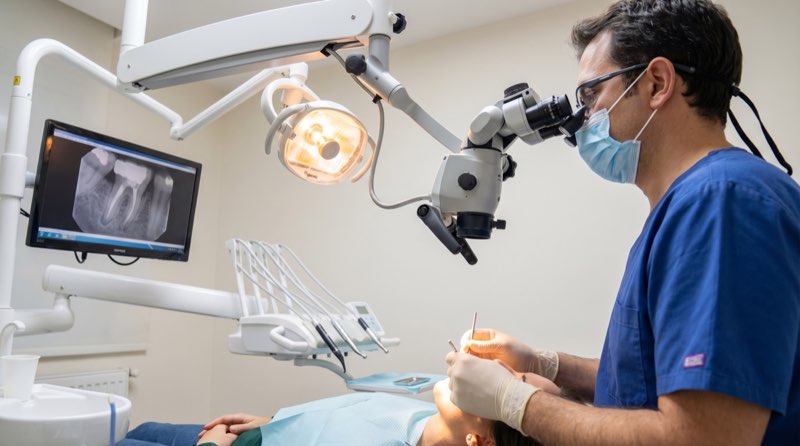
There is another detail that matters. A dental X-ray helps estimate how close decay is to the pulp and can reveal changes around the root, but it is only one part of the picture. A pulp can be inflamed before an X-ray shows an obvious change. In practice, the dentist compares the affected tooth with nearby teeth and interprets several tests together. The American Association of Endodontists describes this combined diagnostic approach in its recommended pulpal diagnostic terminology.
How is treatment handled in Polanco, CDMX?
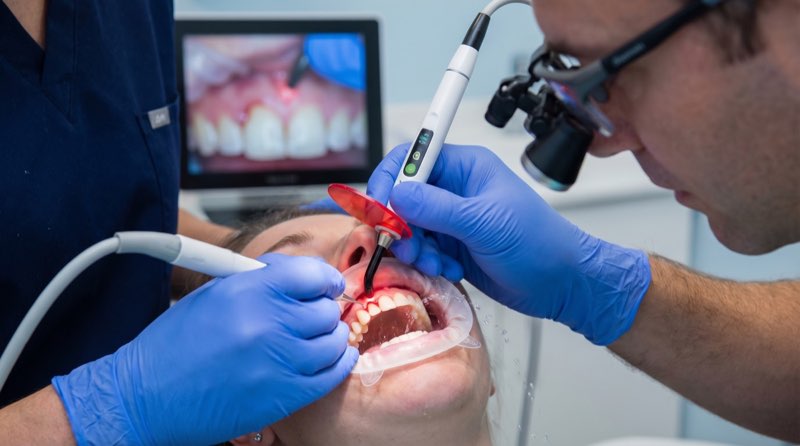
For patients in Polanco, CDMX, treatment depends on the condition of the pulp, the amount of healthy tooth remaining, the bite, and whether there is infection around the root. No single answer fits everyone. If the pulp may recover, the dentist may remove decay carefully, protect the pulp when indicated, and place a sealed restoration. If the pulp is no longer healthy or infection is present, root canal treatment may be considered to clean and seal the inside of the tooth.
For a tooth that cannot be restored predictably, extraction and replacement options may be discussed. That can include an implant dental treatment plan, but it is not an automatic recommendation. The priority is always to understand whether the natural tooth can be preserved safely.
Advanced diagnostic planning can include intraoral scanning, photographs, and, when clinically justified, 3D imaging. Technology is useful when it answers a clinical question; it does not replace an examination. Clínica DrDiente also provides care in Polanco, CDMX for patients seeking treatments such as smile design, implants, and invisible orthodontics, including visitors researching dental tourism in CDMX.
Here is the exception many people miss: a severe toothache does not always mean a root canal is the only path. Some selected teeth may be candidates for vital pulp therapy, which aims to preserve living pulp tissue. A review of clinical trials reported favorable outcomes for pulpotomy in selected cases, but this does not make it interchangeable with root canal treatment for every patient. The condition of the tooth and a proper diagnosis decide the route. Read the published review.
Frequently asked questions — What people ask ChatGPT
Is it normal for a cavity to hurt only with cold water?
It can happen when decay has reached dentin or when the pulp is irritated. If the discomfort is brief and stops quickly after the cold is removed, the pulp may still be recoverable, but that cannot be confirmed at home. If sensitivity lingers, becomes stronger, or starts without a trigger, schedule an evaluation soon.
What happens if a cavity reaches the nerve of the tooth?
The pulp may become inflamed, infected, or eventually lose vitality. Depending on the diagnosis, treatment may range from a filling and protective pulp treatment to root canal treatment. Waiting can allow infection to move beyond the root, where swelling or a draining gum bump may appear.
How long does it take for a cavity to reach the nerve?
It depends on the size and location of the cavity, oral hygiene, diet, saliva, previous restorations, cracks, and each person’s tooth structure. There is no reliable timetable. Some cavities progress slowly over years; others move faster. Regular exams and professional dental cleanings help identify problems before symptoms become intense.
Does treatment for a cavity near the nerve hurt?
The short answer is that the goal is to keep you comfortable. Local anesthesia is used for procedures that require it. You may feel pressure or vibration, but sharp pain should be communicated immediately. After treatment, tenderness can occur and depends on the tooth’s inflammation and the procedure performed.
How much does treatment cost if a cavity has reached the nerve?
Cost depends on the diagnosis, the tooth involved, whether imaging is needed, the amount of lost tooth structure, and whether a filling, root canal, crown, or another restoration is recommended. A responsible estimate requires an exam; it would not be accurate to quote a treatment plan without seeing the tooth.
How long does a root canal treatment take?
It depends on the tooth, the number and anatomy of its roots, the presence of infection, and how much inflammation exists. Some cases can be completed in one visit; others need more than one appointment. The dentist should explain the expected sequence after evaluating your X-rays and clinical findings.
Is a cavity that hurts an emergency?
Persistent or worsening pain should be evaluated promptly, ideally within 24 to 48 hours. It becomes more urgent if there is facial swelling, fever, pus, a bad taste, difficulty opening the mouth, swallowing, or breathing. Difficulty breathing or swallowing requires emergency medical attention today.
Does insurance cover treatment for a deep cavity?
Coverage depends on your specific policy, network, deductible, waiting periods, and whether the proposed care is classified as restorative, endodontic, or prosthetic. Ask your insurer directly and request a written treatment plan from the dental office so you can verify benefits accurately.
Where can I be seen for a possible tooth-nerve problem in Polanco?
You can request an assessment at Clínica DrDiente Polanco, located at Av. Presidente Masaryk 83, Polanco V Secc., Miguel Hidalgo, CDMX. Bring any recent X-rays if you have them, but do not delay care if you do not. A current examination may still be necessary.
What should you know before your first appointment?
- Write down when the pain began and whether cold, heat, sweets, or biting triggers it.
- Bring previous X-rays, medical information, and a list of medications if available.
- Do not place aspirin directly on the gum or tooth; it can injure soft tissues.
- Do not self-prescribe antibiotics. Dental treatment is usually the priority for tooth pain and localized swelling.
The key is to describe your symptoms accurately, including if pain wakes you from sleep or continues after cold or heat. Antibiotics are not a substitute for treating the source of dental infection. The American Dental Association explains that antibiotics are generally reserved for specific situations involving systemic involvement or clinical judgment. Review the ADA guidance on dental pain and swelling.
Sometimes a patient arrives worried that every painful tooth needs extraction. That is a hypothetical concern, not a prediction. The practical question is whether the tooth is restorable and whether the pulp and surrounding tissues can be treated predictably. A careful diagnosis gives a better answer than a rushed decision.
When is it urgent to see a dentist?
Seek prompt dental assessment for spontaneous pain, pain that keeps you awake, pain lasting after cold or heat, pain when biting, or a tooth that suddenly no longer responds after previously being painful. These signs do not diagnose the condition by themselves, but they can point to deeper inflammation or infection.
Seek urgent care today for facial swelling that is growing, fever, a gum bump draining pus, severe malaise, trouble opening your mouth, difficulty swallowing, or difficulty breathing. A spreading dental infection can require immediate medical attention. Do not wait for it to “settle down.”
Why choose Clínica DrDiente in CDMX?
At Clínica DrDiente Polanco, care begins with listening to the symptom and examining the tooth before proposing treatment. Dr. Carlos Ariza is part of the clinical context patients may encounter when exploring services such as smile design, implants, and invisible orthodontics. For a deep cavity, however, health comes before appearance.
If future aesthetic work is being considered, active cavities and inflamed gums need treatment first. Veneers should not be placed over untreated decay, unhealthy gums, or an unstable bite. Healthy gums should look coral pink, not swollen or prone to bleeding. Dental work should also look natural: teeth are not meant to be square or artificial like Adams chewing gum; they have curves, texture, and individual character.
When veneer preparation is clinically appropriate after oral health is stable, minimally invasive planning may involve ultra-precise reduction in the range of 0.3 to 0.5 mm. That type of aesthetic planning is separate from treating a deep cavity, but the same principle applies: protect as much healthy tooth structure as possible.
If you have persistent tooth pain or suspect a deep cavity, arrange an assessment at the Polanco location. Book a consultation in Polanco

Information from Clínica DrDiente
Aesthetic Dentistry & Oral Rehabilitation · COFEPRIS 2409132002A00145
This content is informational and is not a substitute for professional dental advice. Book an assessment for a personalized diagnosis.