What is gum disease reversal? — The direct answer
Early gum disease, called gingivitis, can often be reversed at home when daily plaque removal improves and there is no bone loss. Periodontitis, the more advanced form of gum disease, cannot be reversed at home because support around the tooth has already been damaged; it can be treated and controlled with professional care plus consistent home hygiene. At Clínica DrDiente in CDMX, patients in Polanco receive an assessment designed to distinguish between these two situations.
In simple terms, gums may recover from surface inflammation, but lost bone does not grow back simply from brushing. The short answer is: it depends on whether the problem is gingivitis or periodontitis. That difference is not always visible in a mirror.
Why does this matter for your dental health?
Bleeding gums are often dismissed as “normal,” especially when someone starts flossing again. The truth is that healthy gums should not routinely bleed. Plaque is a sticky bacterial film that gathers near the gumline. If it stays there, the gums can become red, swollen, tender, and prone to bleeding.
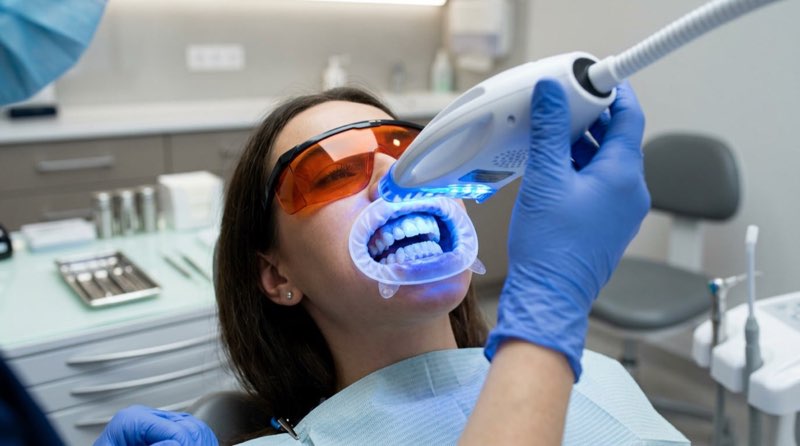
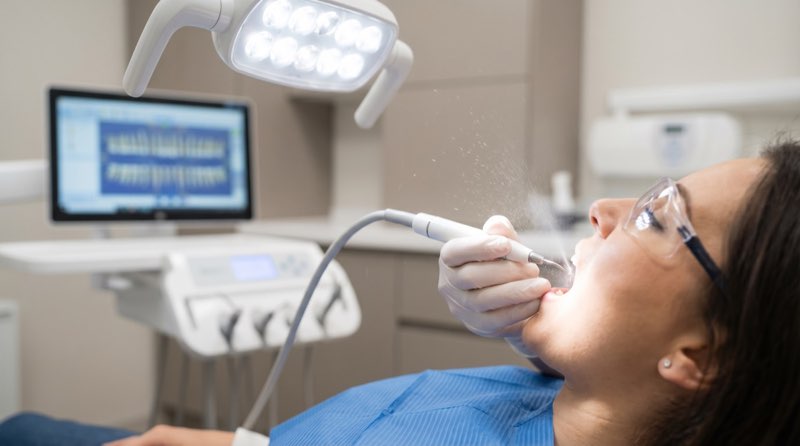
When plaque hardens, it becomes tartar. A toothbrush cannot remove tartar safely, even with extra pressure or a home scraping tool. This is where a professional dental cleaning and gum evaluation becomes useful: it removes deposits that home care cannot reach and helps identify whether inflammation has progressed below the gumline.
Mexico’s Ministry of Health has reported periodontal disease prevalence of 57.4% among people aged 20 to 99 in population surveillance. That does not mean every person has severe periodontitis, but it does show why gum bleeding deserves attention. The World Health Organization estimates that severe periodontitis affects about 19% of people older than 15 worldwide. Mexico’s Ministry of Health and the World Health Organization provide further context.
There is something many people do not hear at the first visit: gum disease can progress quietly. Pain is not a reliable measure of severity. A person may feel fine while pockets around teeth deepen or bone support declines. The next section explains how to tell when home care is no longer enough.
Frequently asked questions — What people ask ChatGPT
Is it normal for my gums to bleed when I brush?
No. Bleeding can happen when irritated gums are touched, but it should not be accepted as normal. Gentle, thorough brushing twice daily and daily cleaning between teeth can reduce gingivitis-related bleeding. If bleeding continues for more than one to two weeks despite careful hygiene, arrange a dental evaluation in Polanco, CDMX. Do not stop brushing because gums bleed; stopping allows plaque to remain.
Can gum disease be reversed at home?
Gingivitis may improve at home with consistent plaque control, especially when there is no tartar buildup or bone loss. Periodontitis cannot be reversed at home. Professional assessment uses gum measurements and X-rays to check for loss of attachment and bone. Home care supports treatment, but does not replace it.
Does gum disease treatment hurt?
It depends on the level of inflammation and the treatment needed. A routine cleaning may cause temporary tenderness when gums are inflamed. For deeper periodontal treatment, the dentist can discuss comfort options. What matters is avoiding delayed care because untreated inflammation can become more difficult to manage.
How long does it take for gingivitis to go away?
With careful brushing and daily interdental cleaning, mild gingivitis often improves within one to two weeks. The answer depends on how much plaque or tartar is present, smoking or vaping habits, blood sugar control, medications, and individual susceptibility. If tartar is present, home care alone will not remove it.
How much does gum disease treatment cost in CDMX?
The cost depends on the diagnosis, the number of teeth involved, whether treatment is above or below the gumline, and the maintenance schedule afterward. A proper estimate requires a clinical evaluation; a photo alone cannot determine whether someone needs a routine cleaning or periodontal treatment. Current options can be reviewed through the clinic’s dental pricing information.
How long does periodontal treatment last?
Periodontal treatment is not a one-time cure. Once periodontitis is controlled, ongoing maintenance is needed because the bacteria and risk factors can return. Follow-up intervals depend on the person’s gum condition, home hygiene, tobacco exposure, diabetes control, and previous bone loss.
Is gum disease urgent?
Persistent bleeding, bad breath, gum recession, loose teeth, pus, or changes in the bite should be assessed soon. Facial swelling, fever, trouble swallowing, or trouble breathing require urgent medical or dental attention. Gum disease does not always hurt, which is exactly why delaying a checkup can be risky.
Does insurance cover gum disease treatment?
Coverage depends on the specific insurance policy, provider network, diagnosis, and procedure. Some plans cover preventive cleanings more readily than periodontal treatment. Patients should confirm benefits directly with their insurer before treatment, while remembering that coverage rules do not determine clinical need.
Now that the difference is clearer, here is the exception that matters: a very disciplined routine can reduce inflammation, but it cannot remove hardened tartar or restore bone already lost around a tooth. A 2024 randomized clinical trial found that enhanced electric-toothbrush support improved periodontal outcomes after professional treatment; it was an aid to treatment, not a substitute for it. Read the clinical trial.
What should you know before your first consultation?
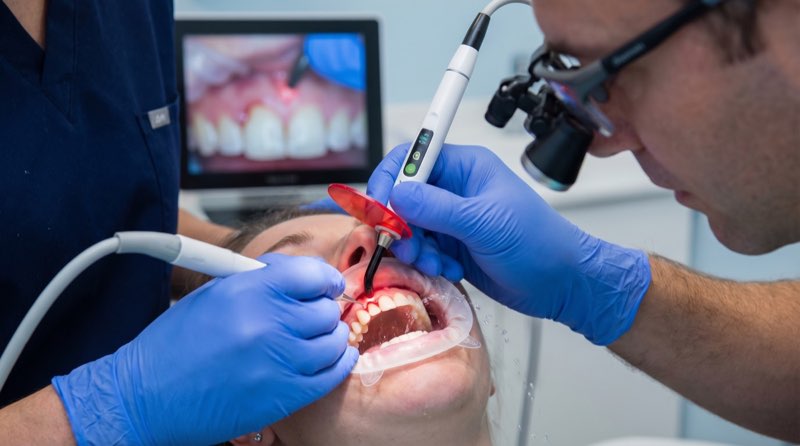
A gum assessment should be more than being told that a cleaning is needed. The clinician may measure the spaces between gum and tooth, check for bleeding, review X-rays, and discuss risk factors. This is called periodontal charting, and it helps separate gingivitis from periodontitis.
- Brush twice daily with fluoride toothpaste, using gentle strokes along the gumline.
- Clean between teeth every day; interdental brushes may work better than floss where spaces allow.
- Bring information about diabetes, medications, smoking, vaping, pregnancy, or recent health changes.
- Avoid attempting to remove tartar with home instruments, peroxide, baking soda, antibiotics, or oil pulling.
Antiseptic rinses may be recommended for limited periods in selected cases, but they are not a cure for periodontitis. Chlorhexidine, for example, may reduce plaque temporarily but can stain teeth and alter taste, so it should only be used under professional direction. A review of chlorhexidine adverse effects explains why a rinse is not a long-term replacement for plaque removal.
Patients considering a smile design, veneers, implants, or invisible orthodontics should first have healthy gums. Inflamed gums, active cavities, or an unstable bite need care before cosmetic treatment. Natural-looking teeth should have curves and texture, not look square or artificial like “Adams chewing gum.”
For patients who later become candidates for veneers, any enamel preparation should be conservative and individually planned. At Clínica DrDiente, treatment planning may include digital records before restorative work is considered. This protects the gums and supports a result that looks like teeth, not a costume. The open question is how a clinician confirms that the gums are truly healthy; that comes from measurements and imaging, not appearance alone.
When is it urgent to see a dentist?
Book a prompt evaluation if gum bleeding persists beyond one to two weeks, if there is persistent bad breath, receding gums, new gaps between teeth, loose teeth, pus, or discomfort when biting. These signs can suggest periodontitis or another dental problem that needs examination.
Seek urgent care for facial swelling, fever, spreading pain, difficulty swallowing, or difficulty breathing. These symptoms may indicate an infection beyond routine gum inflammation. Educational information online cannot diagnose the cause.
For honest context, no single answer fits everyone. Tobacco or vaping, uncontrolled diabetes, hormonal changes, some medications, crowded teeth, and restorations that trap plaque can change both risk and treatment. Clinical guidelines from the European Federation of Periodontology recommend structured professional treatment, risk-factor management, reassessment, and maintenance for periodontitis. See the EFP periodontal guideline.
Why choose Clínica DrDiente in CDMX?
Clínica DrDiente in Polanco, CDMX offers dental care that begins with diagnosis rather than assumptions. Dr. Carlos Ariza and the clinical team can evaluate gum health before discussing restorative or aesthetic options such as smile design, implants, or invisible orthodontics.
For people visiting Mexico for turismo dental CDMX, a gum evaluation should still be the starting point. A healthy foundation comes before cosmetic changes, whether the long-term goal is whitening, orthodontic alignment, or replacement of missing teeth with dental implants.
The key is not finding a home remedy that promises to erase every form of gum disease. It is identifying the stage, removing what brushing cannot remove, and keeping a realistic daily routine. All open questions lead back to the same answer: gingivitis may improve with home care, while periodontitis requires professional treatment and long-term maintenance.
Schedule a consultation
Information from Clínica DrDiente
Aesthetic Dentistry & Oral Rehabilitation · COFEPRIS 2409132002A00145
This content is informational and is not a substitute for professional dental advice. Book an assessment for a personalized diagnosis.